
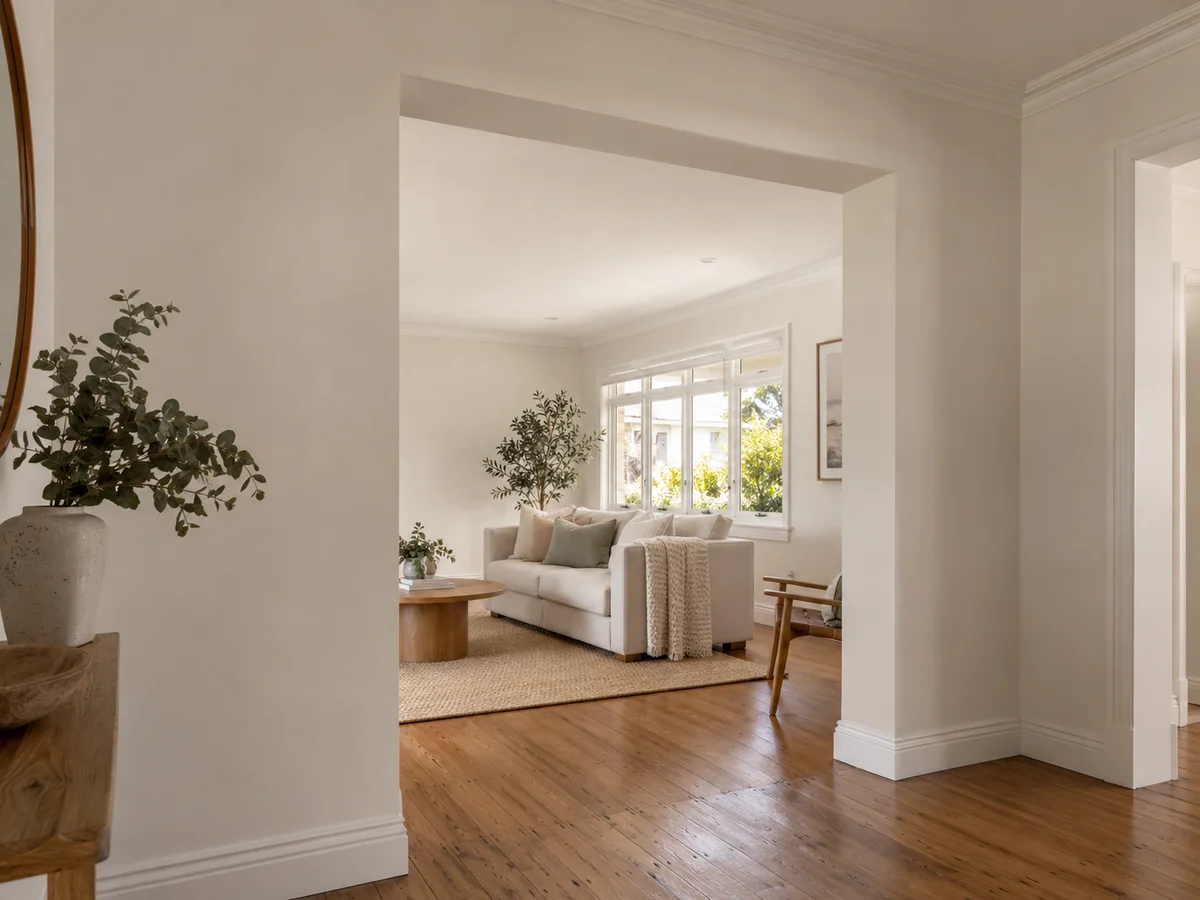
Renovations, extensions & new linings
Plan the plastering alongside the other work in your renovation, extension or new space.
Read the job guideTighes Hill · Plastering enquiries
Plastering for homes in Tighes Hill, a north-western suburb of Newcastle, which had 683 occupied homes at the 2021 Census. Call or text for a free quote with your street and the work involved.
Local area photograph: Elizabeth Street, Tighes Hill, photographed in 2019.
Photo by adam-tgantennas; © Grab and KartaView contributors. Source: Elizabeth Street, Tighes Hill — street-level view, 8 March 2019. Licence: CC BY-SA 4.0. Image resized for this page.
Separate houses made up 87% of the 683 occupied homes in Tighes Hill at the 2021 Census. Typical jobs in a suburb of houses are wall and ceiling repairs, water-damaged ceilings after a roof leak, cornice work and new linings when rooms are renovated.
Plan the plastering alongside the other work in your renovation, extension or new space.
Read the job guide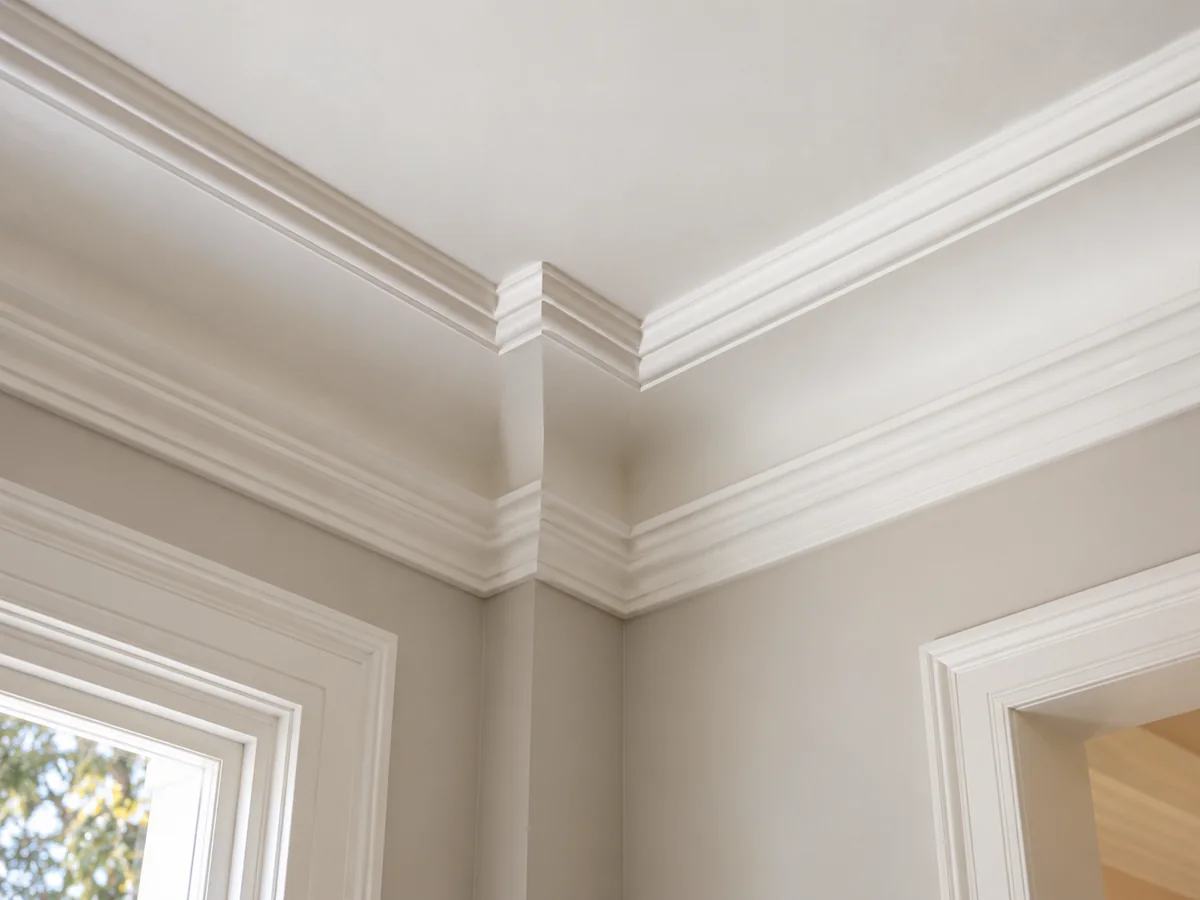
Wall-to-ceiling cornices, damaged profiles and decorative details that need a considered match.
Read the job guide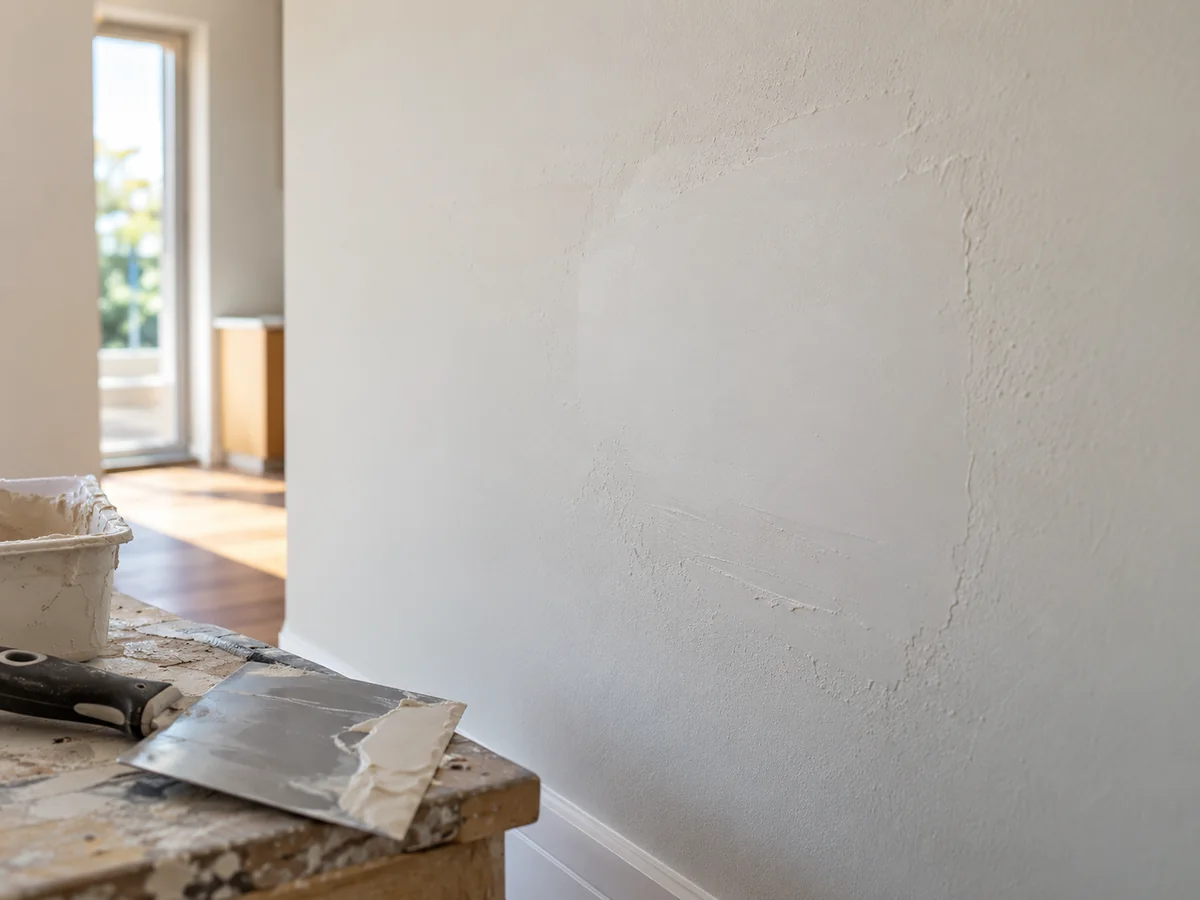
A patch in the wall, a damaged corner or a crack in the ceiling starts with the affected surface.
Read the job guideTighes Hill's housing mix, with 87% separate houses, shapes the types of plastering work these homes need. Older homes dominate this area, leading to frequent issues like cracked ceilings and uneven walls. These properties often need repairs after years of wear, requiring careful attention to detail during relining or patching.
The high percentage of standalone homes means plastering jobs often involve full-room updates rather than shared walls. Homeowners typically seek solutions for walls damaged by time or minor accidents, such as dents from furniture or cracks from settling foundations. These repairs demand precision to match the original finishes.
Many of these older homes have linings fixed in ways that differ from current practice, leaving uneven surfaces. This creates challenges when preparing for new finishes or relining. Understanding this context helps us plan work that respects the home's character while fixing what needs fixing.
The 683 occupied homes in Tighes Hill reflect a community where many properties are long-established. This history means plastering work often involves balancing preservation with practical updates, ensuring repairs blend neatly without compromising the home's original feel.
Small holes and cracks in walls often appear after years of use, especially in older homes. These imperfections become more noticeable when preparing for a fresh paint job. Ignoring them can lead to a rough finish that doesn't look professional.
Before repainting, it's important to address these issues properly. Using the right materials and techniques ensures the surface is smooth and ready for paint. This step prevents the need for multiple coats and saves time in the long run.
Fixing minor damage before painting is a sensible first step. The process involves cleaning the area, applying filler, and sanding until smooth. This creates a stable base for paint to adhere properly.
The key is to match the repair to the existing wall surface. This ensures the patched area blends with the rest of the wall, making the repair invisible once painted. It's a simple step that makes a big difference in the final result.
Stains on ceilings often indicate a roof or gutter issue that needs attention. In the suburb, older homes may have outdated roofing systems that cause leaks during heavy rain. These leaks can leave water marks on ceilings, requiring repair before painting.
Water damage to ceilings can weaken the plaster structure. If left untreated, the damage may spread, making repairs more complex. Early intervention helps prevent further deterioration and reduces the need for larger-scale work.
When addressing these stains, we assess the extent of the damage. Small stains might only need spot repairs, while larger areas could require ceiling replacement. This decision depends on how much the structure has been affected.
The repair process involves removing damaged plaster, replacing it with new material, and finishing to match the existing ceiling. This ensures the ceiling looks uniform after the work is completed.
Older homes in the suburb often have ceilings that show signs of age. These ceilings may sag or have uneven surfaces due to the original construction methods. Repairing these areas requires understanding the home's history to avoid further damage.
Structural shifts over time can affect ceiling integrity. This means repairs must account for how the home has settled. For example, cracks may need to be filled with materials that allow for some movement without breaking again.
In many cases, older ceilings were built with different techniques than modern ones. This affects how repairs are done. Matching the original surface and structure ensures the repair fits naturally with the home's design.
Homeowners should consider ceiling repairs as part of a broader maintenance plan. Addressing these issues early prevents more significant problems later, especially in older homes.
Relining plasterboard walls suits homeowners who want to update their spaces without stripping the room. This involves adding new sheets to existing walls, creating a smoother surface for painting or new finishes.
The process requires careful preparation to ensure the new plasterboard aligns properly. This includes measuring, cutting, and securing the sheets to match the existing wall structure. Proper alignment ensures a clean, even finish.
Relining is often chosen for its efficiency compared to full wall replacements. It allows homeowners to refresh their space without major disruption. This method works well for walls that are mostly intact but need a smoother surface.
When planning relining, it's important to consider the existing wall condition. Areas with significant damage may need additional repair before relining can begin. This ensures the new surface will last longer and look better.
Tell us about the plastering work you have in mind.
Share your property location and the work involved. We take on work in any suburb within about an hour's drive of Kotara. Beyond that, high-value jobs only, by arrangement.