

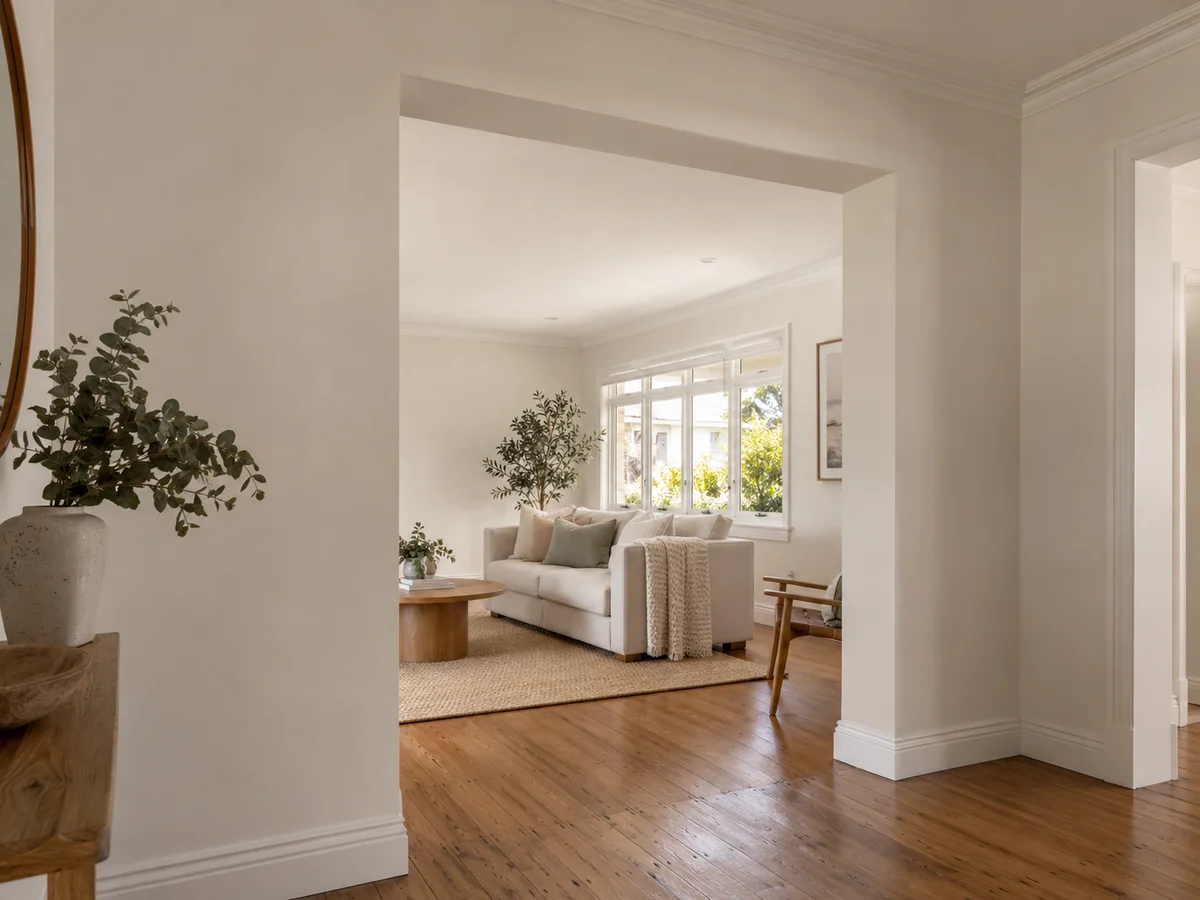
Renovations, extensions & new linings
Plan the plastering alongside the other work in your renovation, extension or new space.
Read the job guideThe Junction · Plastering enquiries
Plastering for homes in The Junction, about 2.8 km south-west of Newcastle's city centre, which had 409 occupied homes at the 2021 Census. Call or text for a free quote with your street and the work involved.
Local area photograph: The Junction Public School.
Photo by User:Orderinchaos. Source: The Junction public school.jpg. Licence: CC BY-SA 3.0. Image resized for this page.
At the 2021 Census, 14% of the 409 occupied homes in The Junction were flats or apartments, 32% were semi-detached houses, terraces or townhouses and 54% were separate houses. Apartment and townhouse jobs here tend to be wall patching before a repaint, water-damaged ceilings and acoustic plasterboard for shared walls.
Plan the plastering alongside the other work in your renovation, extension or new space.
Read the job guide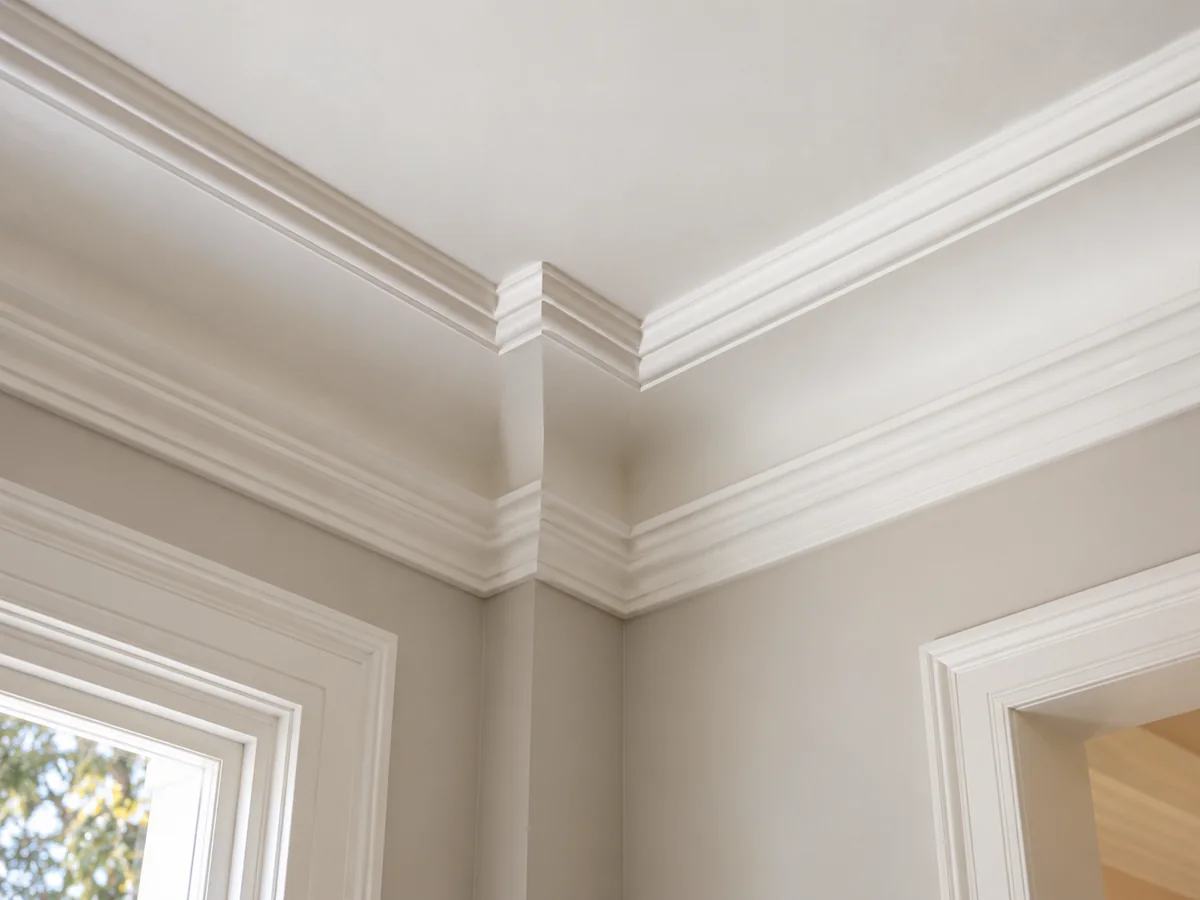
Wall-to-ceiling cornices, damaged profiles and decorative details that need a considered match.
Read the job guide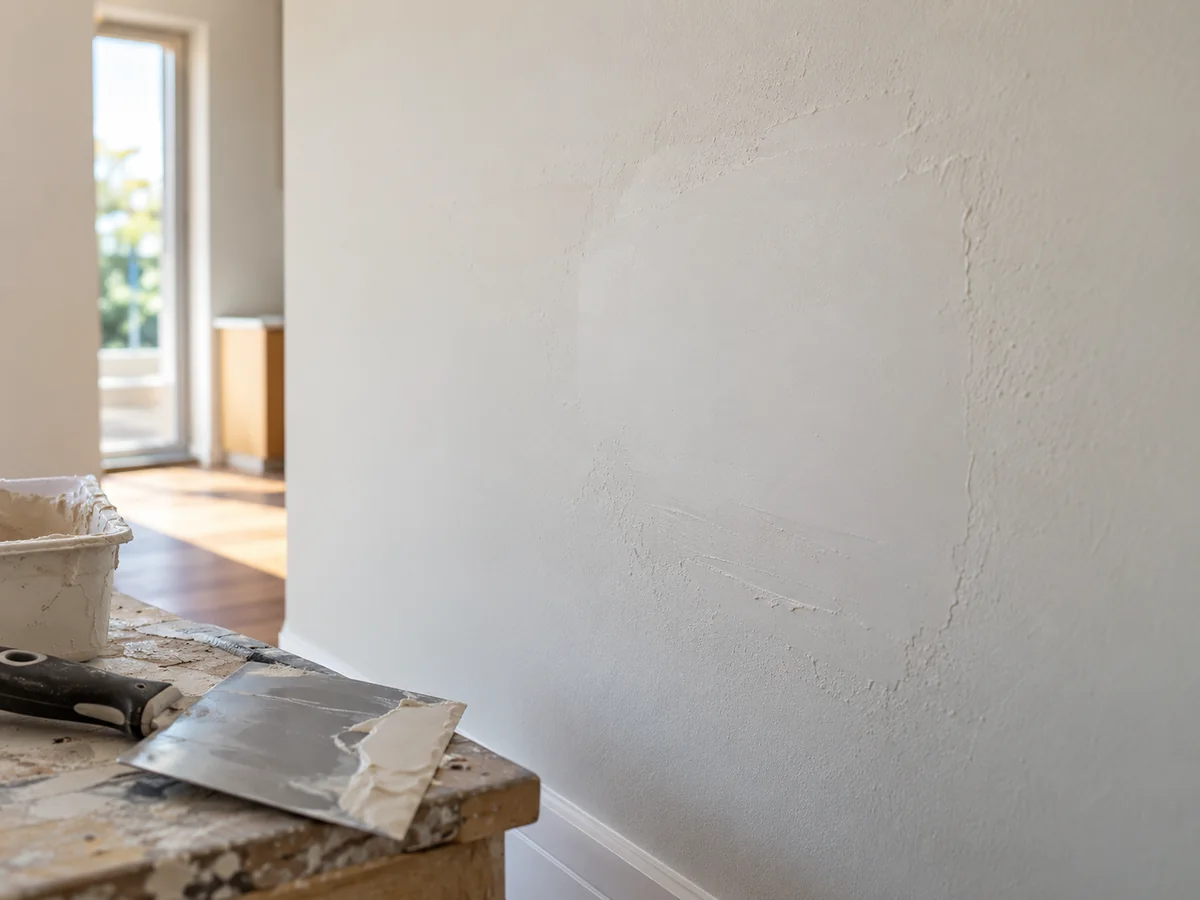
A patch in the wall, a damaged corner or a crack in the ceiling starts with the affected surface.
Read the job guideThe 2021 Census shows 54% of homes in The Junction are separate houses, 32% are semi-detached or townhouses, and 14% are flats or apartments. This mix affects the type of plastering work needed across the suburb. Older separate houses tend to need ceiling and cornice repairs, while townhouses and flats are more likely to have water damage from a unit or roof above.
Separate houses typically have more wall surface area needing plasterboard relining. Two-storey townhouses can show water stains on a ground-floor ceiling from a bathroom above. Flats experience ceiling repairs after leaks from above, especially in older buildings with limited access for maintenance.
Understanding this housing mix helps us prepare for the specific challenges in each property type. We assess wall conditions and identify repair needs before starting work, ensuring the right approach for each home's structure.
Bathroom renovations in flats often require wet-area linings for durability against moisture. These linings protect walls and ceilings from water damage, especially in older flats with original plumbing. We install these linings carefully to match the existing finish and function.
Older flats may have existing water damage from leaks behind fixtures. We assess the extent of damage before installing new linings. This ensures the new work integrates well with the existing structure without causing further issues.
The linings we install are suitable for bathroom environments, providing a stable surface for tiling or painting. Waterproofing and sealing around fixtures is a separate trade that follows the lining.
Leaks from upstairs flats are common in older properties, causing water damage to ceilings below. This damage often requires full ceiling replacement, especially in flats with shared ceilings. We assess the damage before starting repairs to ensure the new ceiling matches the existing structure.
The damage may extend beyond visible stains, affecting the ceiling structure. We check for weakened areas, and any framing that needs replacing is sorted before the new plasterboard goes up. That is what the new sheets screw into, so it has to be sound.
After repairs, we match the ceiling finish to the rest of the room. This includes taping and jointing to create a smooth surface for painting. The process ensures the repaired area blends neatly with the existing ceiling.
Removing fixtures like shelves or cabinets in townhouses often leaves holes in walls. These holes require careful patching to restore the wall's smooth surface. We assess the size and depth of the holes before deciding on the repair method.
A townhouse wall may be a fire-rated party wall, which changes how a hole in it should be patched. We use appropriate techniques to patch holes without causing additional damage. This includes matching the existing plaster surface.
We ensure the repaired area blends with the surrounding wall. This involves sanding and taping to create a smooth transition. The aim is a wall ready for painting or wallpapering with the repair hard to spot.
Preparing walls for relining starts with assessing the existing surface. We check for cracks, loose plaster or moisture damage. This step shows whether the old lining can stay as a backing or has to come off so the new sheets fix to the frame.
Older homes may have uneven surfaces or damaged plaster. We remove loose material and smooth the surface before installing new plasterboard. This creates a stable base for the new lining.
For townhouses and flats, we pay special attention to corners and edges. Corner beads and reinforced edges take the knocks in a narrow hallway or stairwell. Proper preparation is what keeps those edges straight.
Shared walls in townhouses often need acoustic plasterboard to reduce noise between units. This type of plasterboard is denser than standard board, so less sound passes through it. We install it carefully to match the existing wall finish.
The installation process involves measuring and cutting the plasterboard to fit. We secure it properly to the wall studs to ensure it stays in place. This creates a solid barrier against noise.
After installation, we tape and joint the seams to create a smooth surface. This allows for painting or other finishes without visible seams. The result is a quieter living space without compromising the wall's appearance.
Tell us about the plastering work you have in mind.
Share your property location and the work involved. We take on work in any suburb within about an hour's drive of Kotara. Beyond that, high-value jobs only, by arrangement.