


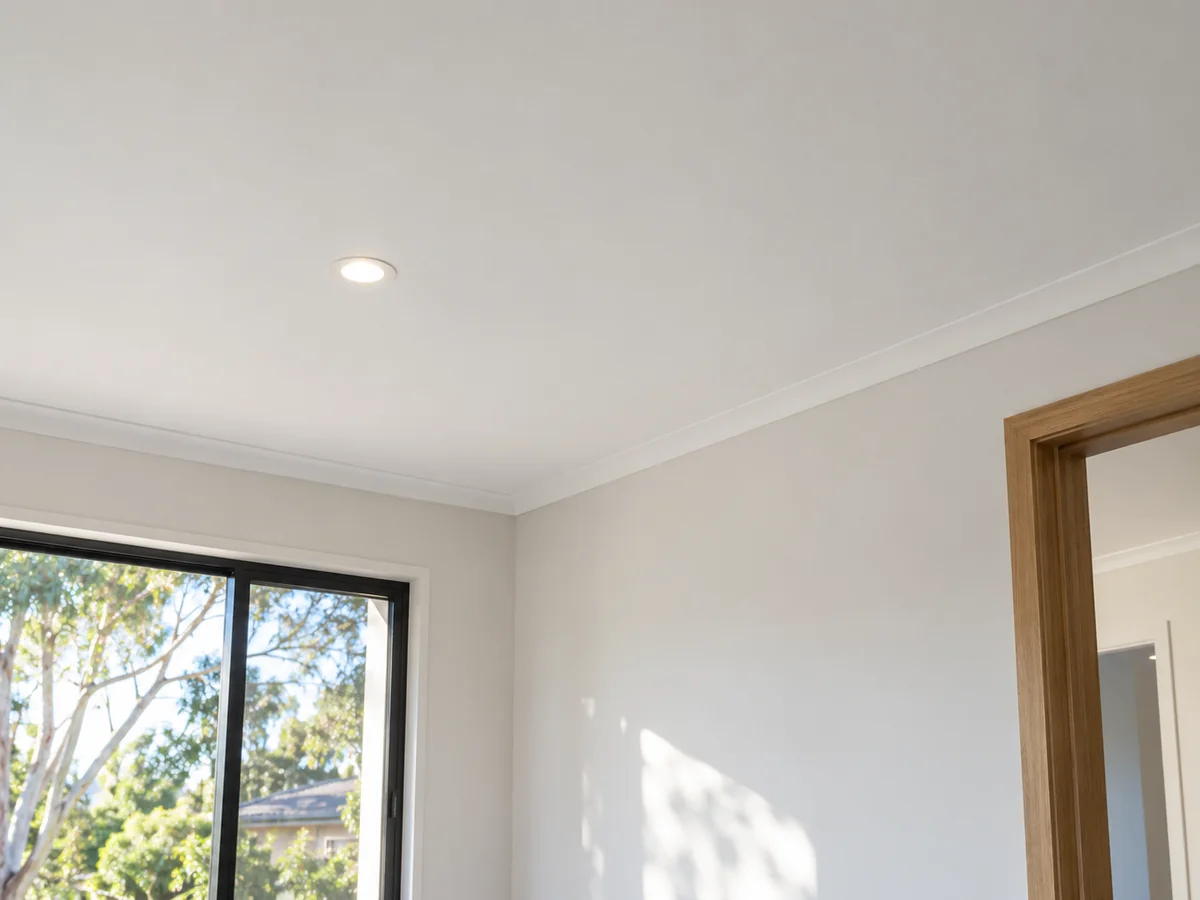
Ceiling installation & replacement
Ceiling linings, replacement sections and the wall-to-ceiling details that finish a room.
Read the job guideStockton · Plastering enquiries
Plastering for homes in Stockton, across the harbour, 600 m from Newcastle's city centre, which had 1,599 occupied homes at the 2021 Census. Call or text for a free quote with your street and the work involved.
Local area photograph: The southern end of Stockton Beach.
Photo by AussieLegend. Source: Stockton Beach - southern end. Licence: Public domain (PD-self). Image resized for this page.
At the 2021 Census, 82% of the 1,599 occupied homes in Stockton were separate houses, 7% were semi-detached houses, terraces or townhouses and 10% were flats or apartments. That mix brings a spread of work: repairs, ceilings and renovations in the houses, and patching and sound-control linings in the townhouses and units.
Ceiling linings, replacement sections and the wall-to-ceiling details that finish a room.
Read the job guide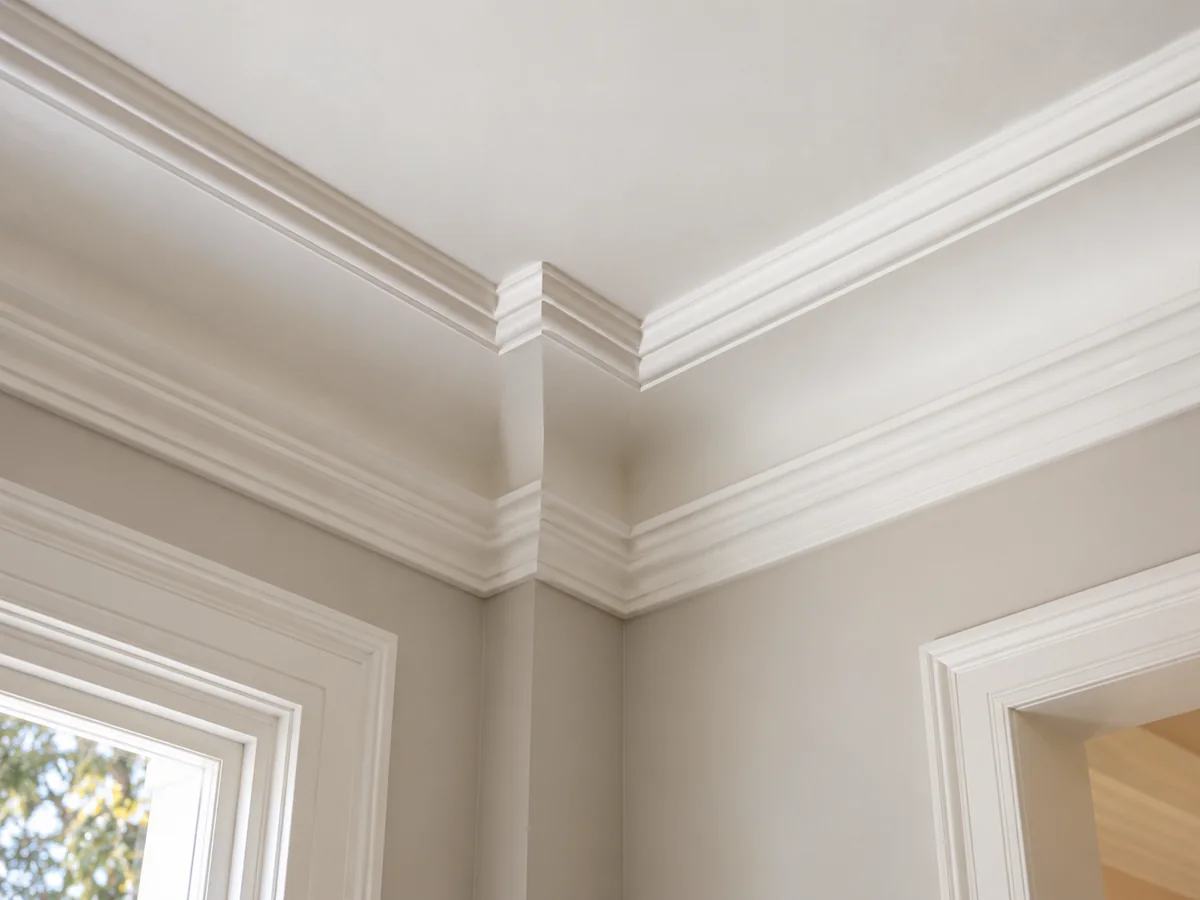
Wall-to-ceiling cornices, damaged profiles and decorative details that need a considered match.
Read the job guide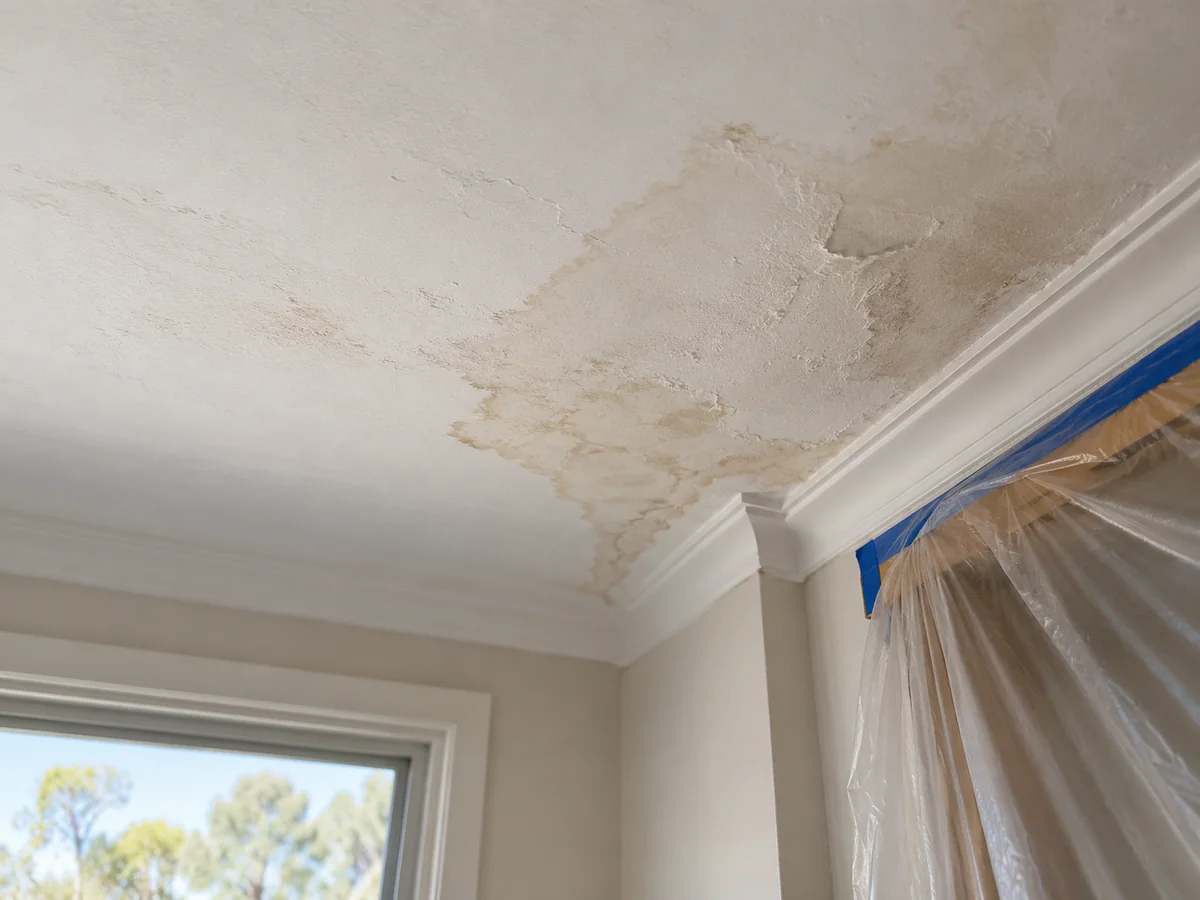
Discuss stained or damaged wall and ceiling plaster once the source of moisture is understood.
Read the job guideIn Stockton, 7% of homes are semi-detached, terraces or townhouses. These properties often develop cracks where walls meet shared structures. The movement between properties can cause stress in plasterwork over time. This shows most in older homes where the building materials have settled differently.
The cracks usually appear along ceiling lines or at the top of walls between units. They can widen after seasonal changes in humidity. Repairing these requires careful attention to the joint and the surrounding plaster. It's important not to just cover the crack without addressing the underlying movement.
Our process involves opening the joint slightly to create a stable base for new plaster. We then apply a flexible tape and multiple coats of finishing plaster. This approach prevents the crack from reappearing quickly. It's a common issue in Stockton's mid-density housing areas.
We don't recommend simply painting over these cracks. The problem will continue to grow without proper structural attention. The right repair method depends on the size and location of the crack within the shared wall system.
Stockton's housing mix includes 82% separate houses, many of which are older properties. These homes often have decorative cornices that need attention over time. The plaster on these details can become brittle or damaged due to age and humidity changes.
Cornice profiles vary between homes, making matching difficult. Some have simple shapes while others have intricate designs. Replacing damaged sections requires finding the right profile or carefully shaping new plaster to match. This is often overlooked in basic repairs.
We focus on matching the original profile when repairs are needed. This means measuring existing cornices and creating a new piece that fits perfectly. It's a detail that affects the overall appearance of the room. The style of cornice can indicate the house's era and construction methods.
In local homes, the most common cornice damage occurs at the corners or where the cornice meets the wall. The repairs need to maintain the historical character of the home. It takes careful measuring and a steady hand to get right.
The 10% of local homes that are flats or apartments face different moisture challenges than houses. These properties often experience condensation and damp in shared walls and ceilings. The problem is worse in older flat buildings with limited ventilation.
Water damage in these structures usually comes from upper-level units or shared plumbing. It can lead to discolouration and softening of plaster on ceilings and walls. The damage might not be obvious until the plaster starts to peel away from the surface.
We approach these repairs by identifying the moisture source first. This may require checking plumbing fixtures or ventilation systems above the affected area. Without finding the source, the problem will continue to recur. The repair method depends on how long the moisture has been present.
In the suburb's flats, the most effective approach is to replace damaged plaster sections with new material that matches the existing surface. The leak has to be fixed first or the new plaster will be damaged again. This is different from simple patching that doesn't address the root cause.
The suburb's older homes, which make up a significant part of the housing stock, often have ceilings that need attention. These ceilings may be made of plasterboard or solid plaster, depending on the construction period. The age of the building affects how the ceiling responds to changes in humidity and temperature.
Common issues include sagging, cracking along seams, or water stains from roof issues. These problems are often more pronounced in homes built before modern building techniques became standard. The repair method depends on the ceiling's current condition and the house's age.
We assess whether the ceiling can be repaired in place or needs replacement. In many older homes, the plasterboard sheets have become loose over time. This requires careful reattaching of the sheets or replacing sections that are damaged beyond repair.
For the suburb's older homes, the most effective ceiling repairs maintain the original appearance while addressing the underlying cause of the damage. This often means working with the existing materials rather than replacing everything with new, modern products.
When planning plasterboard relining in local homes, preparation is crucial. The existing plaster surface must be clean and free of loose material. Loose or bulging sections of the old lining need to come off so the new plasterboard can be fixed flat to the frame.
For homes with older plaster, the surface may need sanding or patching before installing new sheets. This step ensures a smooth base for the new plasterboard. It's important not to skip this preparation step, as it affects the final appearance and durability.
We advise clearing the room of furniture and covering floors before work begins. This protects the property and keeps the work area clear. The room should be accessible from multiple angles to allow for proper installation.
In the suburb, preparation time varies depending on the condition of the existing walls. Older homes often require more preparation than newer properties. This step is essential for a good result that lasts.
Tell us about the plastering work you have in mind.
Share your property location and the work involved. We take on work in any suburb within about an hour's drive of Kotara. Beyond that, high-value jobs only, by arrangement.