

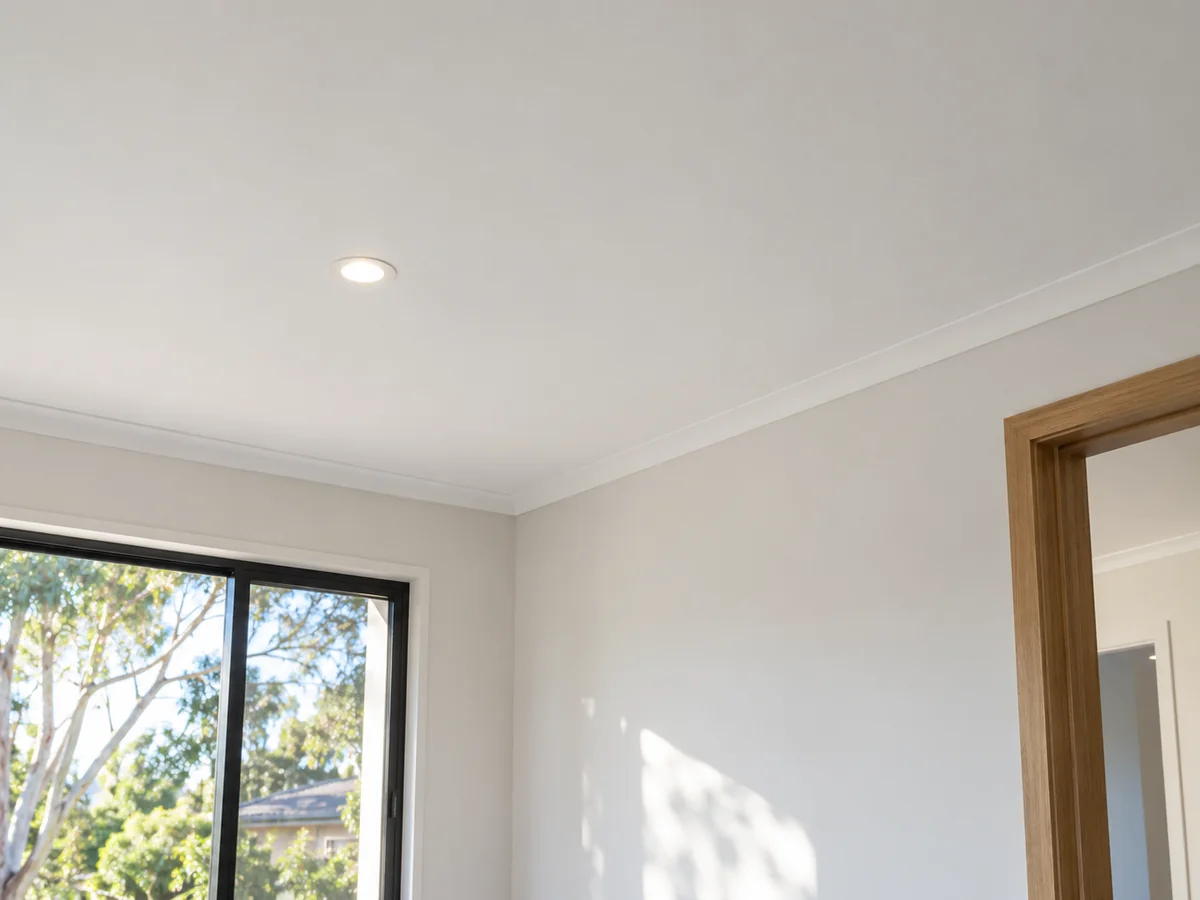
Ceiling installation & replacement
Ceiling linings, replacement sections and the wall-to-ceiling details that finish a room.
Read the job guideRathmines · Plastering enquiries
Plastering for homes in Rathmines, on the western shore of Lake Macquarie, between Toronto and Morisset, which had 767 occupied homes at the 2021 Census. Call or text for a free quote with your street and the work involved.
Photo: Lake Macquarie.
Photo by Tim Starling. Source: Lake Macquarie aerial 1.jpg. Licence: CC BY 2.0. Image resized for this page.
Separate houses made up 93% of the 767 occupied homes in Rathmines at the 2021 Census. Rathmines was first settled by Europeans around 1840, with orchards, vineyards and cattle as its early industries. Houses of this age typically need crack repairs, ceiling replacement, cornice matching and new plasterboard for extensions and room changes.
Ceiling linings, replacement sections and the wall-to-ceiling details that finish a room.
Read the job guide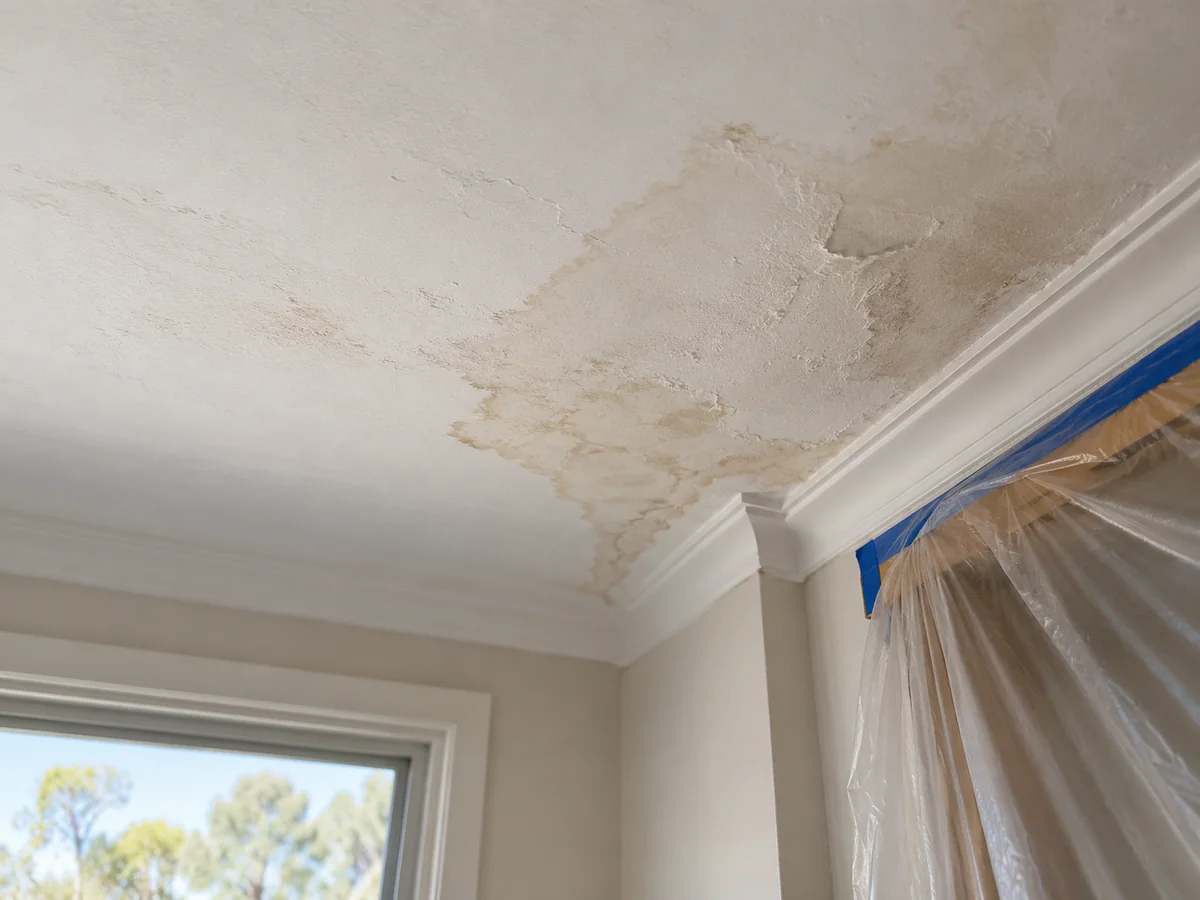
Discuss stained or damaged wall and ceiling plaster once the source of moisture is understood.
Read the job guide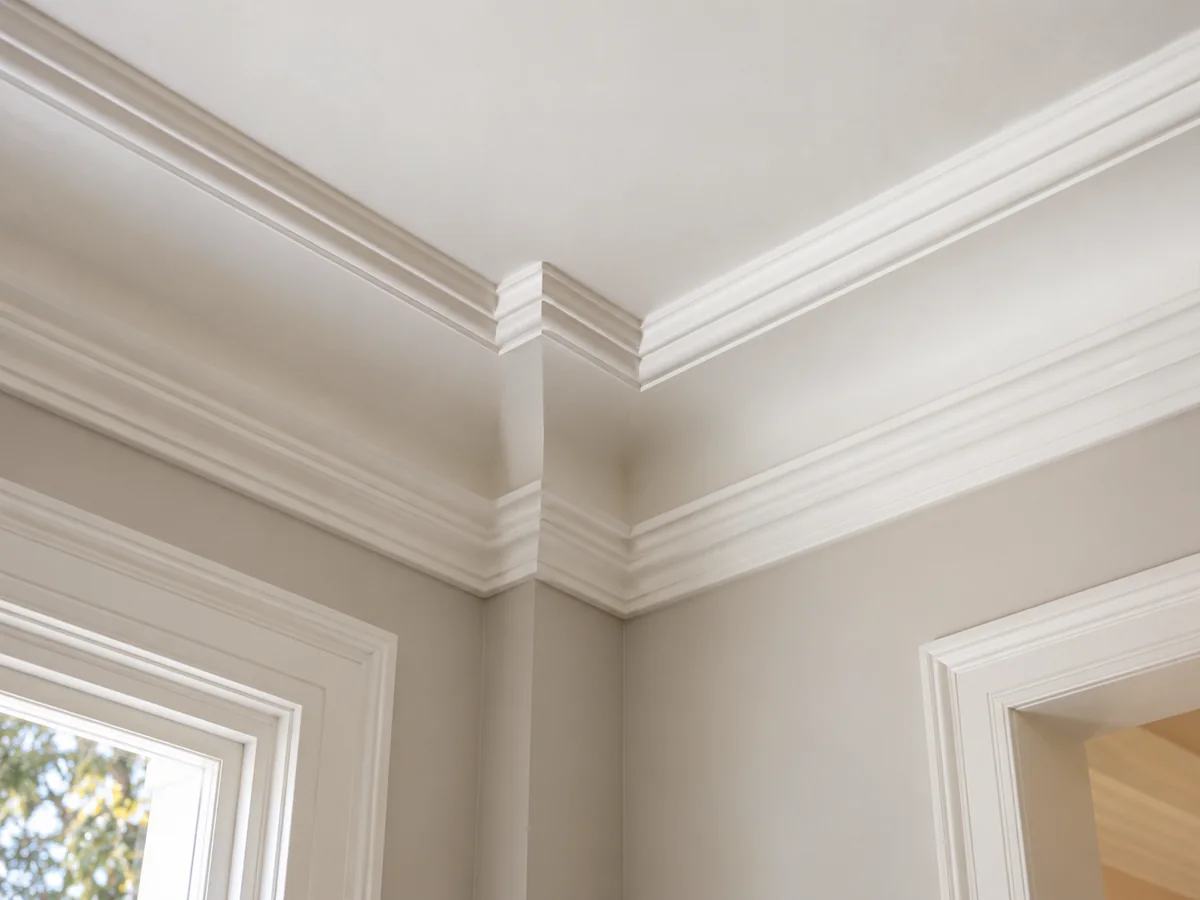
Wall-to-ceiling cornices, damaged profiles and decorative details that need a considered match.
Read the job guideRathmines has 93% separate houses, meaning most homes here are standalone properties built before modern construction standards. This creates a specific set of plastering challenges, as older homes often have uneven walls and ceilings from settling over time. The 767 occupied homes in Rathmines reflect a community where many properties have been lived in for generations, leading to unique plastering needs.
Older homes typically feature irregular wall surfaces that require relining or patching before finishing. These properties often have walls that aren't perfectly aligned, causing gaps in plasterboard joints and visible cracks. The high percentage of separate houses means these issues are usually fixed in a way that matches the original home's character.
The 1840 European settlement history of Rathmines connects to the agricultural past, which shaped the area's housing development. Many of these older homes were built with materials and techniques that differ from modern construction, creating distinct plastering patterns. Understanding this background helps us approach repairs that respect the home's original structure.
Many older separate houses in the suburb have walls that aren't perfectly straight due to natural settling. This unevenness becomes noticeable when installing new plasterboard, as gaps form between sheets. Relining such walls requires careful measurement and adjustment to create a smooth surface for finishing.
When relining, we account for the natural movement of older structures by using flexible jointing techniques. This approach prevents new cracks from forming quickly after the work is done. The process involves preparing the wall surface, cutting and fixing new sheets, and finishing joints to match the existing wall profile.
Owners often notice these uneven walls when preparing to repaint or update their home. The relining process ensures that the finished wall provides a stable base for paint or wallpaper, reducing the need for frequent touch-ups. This is especially important in homes where the original construction didn't allow for perfectly straight walls.
Local homes often require updating electrical wiring or plumbing systems, which involves cutting into walls. This creates holes that need proper patching to restore the wall's integrity. The patching process must address the size and location of the cuts to match the surrounding wall surface.
After removing old wiring or pipes, we prepare the area by cleaning away debris and applying a backing material before adding new plaster. This ensures the patch won't crack or separate from the original wall. The work requires careful attention to the wall's existing profile to avoid visible differences.
The patching process is critical for maintaining the home's appearance after internal updates. A well-executed patch ensures the wall looks neat once painted, avoiding the need for additional touch-ups. This is especially important in older homes where visible repairs can detract from the property's character.
Many local homes feature original cornices that have been damaged over time. These decorative plaster details require careful matching to maintain the home's historical character. The 93% separate house mix means many properties have these traditional interior features.
When matching cornices, we consider the original profile, thickness, and material to create an accurate replacement. This process involves measuring existing pieces and creating a new mould to match the original design. The work requires attention to detail to ensure it blends with the surrounding wall and ceiling details.
Restoring damaged cornices helps preserve the home's architectural character, which is important for owners who want to maintain the property's original look. The process is time-consuming but necessary to achieve a neat finish that matches the home's age and style.
Older separate homes in the suburb often develop water damage from historical roof leaks. This damage appears as stains on ceilings and walls, requiring careful assessment before repairs can begin. In a suburb of older houses, a stained or sagging ceiling is a common reason to call a plasterer.
When addressing water damage, the source of the leak needs to be fixed first or the stain will return. The repair process involves removing damaged plaster, treating the affected area, and applying new plaster or plasterboard. Soft material is removed rather than covered over.
The pattern of water damage in older homes is often more extensive than in modern constructions, as older materials absorb moisture differently. We approach each repair with care to match the original wall surface and prevent visible differences in the finished surface.
Preparing a room for plasterboard relining in older homes requires special attention to the existing structure. We clear the room of furniture and cover floors to protect them during work. The walls must be cleaned to remove loose material before new plasterboard is installed.
In local homes, the preparation process includes addressing any uneven surfaces that might affect the new plasterboard. This might involve minor repairs to the existing wall before adding new sheets. The goal is to create a stable base for the new lining that will last.
Owners should consider the timing of the relining work to avoid disrupting other home improvements. Clearing the room and preparing it properly helps ensure the work is completed efficiently and meets the homeowner's expectations for the finished space.
Tell us about the plastering work you have in mind.
Share your property location and the work involved. We take on work in any suburb within about an hour's drive of Kotara. Beyond that, high-value jobs only, by arrangement.