

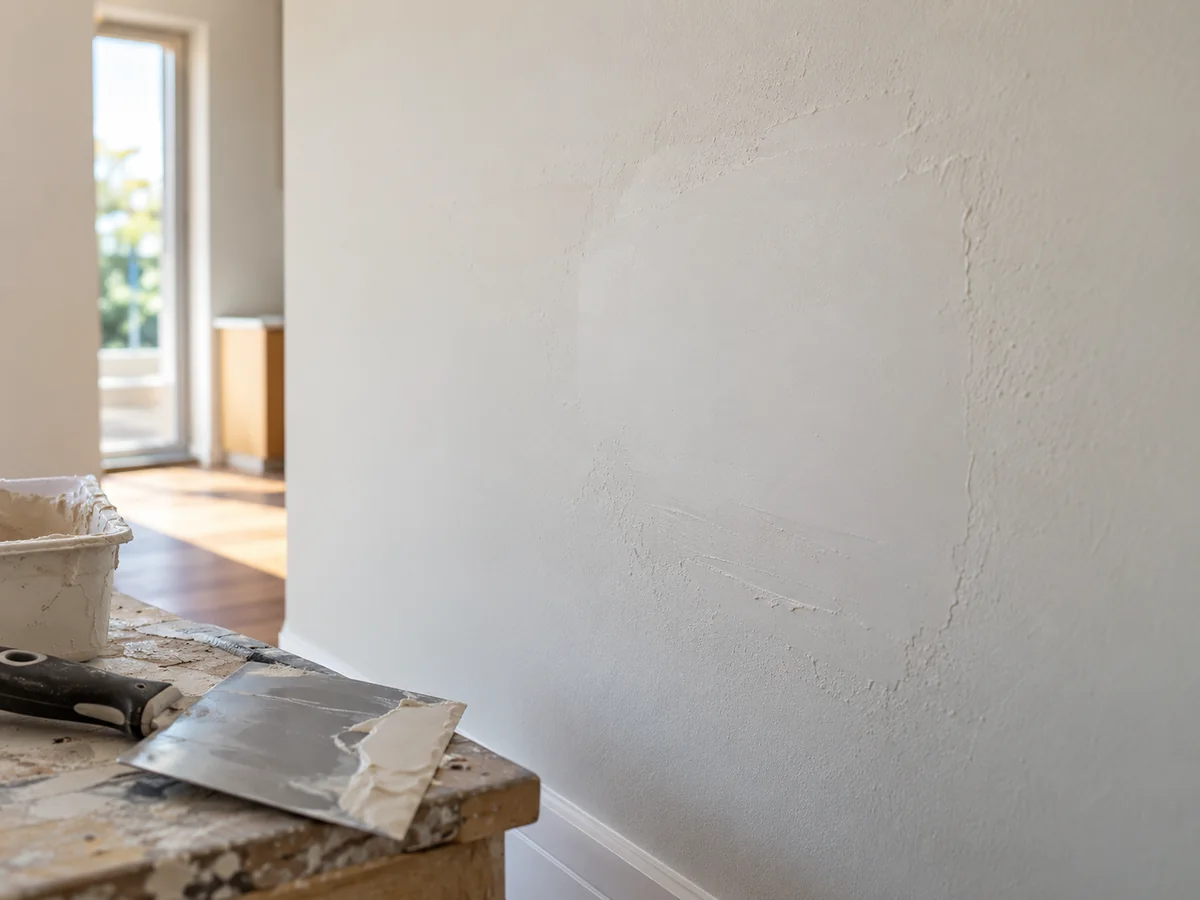
Holes, cracks & plaster repairs
A patch in the wall, a damaged corner or a crack in the ceiling starts with the affected surface.
Read the job guideNewcastle East · Plastering enquiries
Plastering for homes in Newcastle East, immediately east of Newcastle's city centre, at the mouth of the Hunter River, which had 461 occupied homes at the 2021 Census. Call or text for a free quote with your street and the work involved.
Local area photograph: Customs House, Newcastle East.
Photo by Rob Freijs. Source: Customs House - panoramio - Rob Freijs.jpg. Licence: CC BY-SA 3.0. Image resized for this page.
At the 2021 Census, 52% of the 461 occupied homes in Newcastle East were flats or apartments, 38% were semi-detached houses, terraces or townhouses and 8% were separate houses. In units and townhouses the work is usually patching, ceiling repairs after a leak from upstairs and sound-control linings between rooms.
A patch in the wall, a damaged corner or a crack in the ceiling starts with the affected surface.
Read the job guide
Wall-to-ceiling cornices, damaged profiles and decorative details that need a considered match.
Read the job guide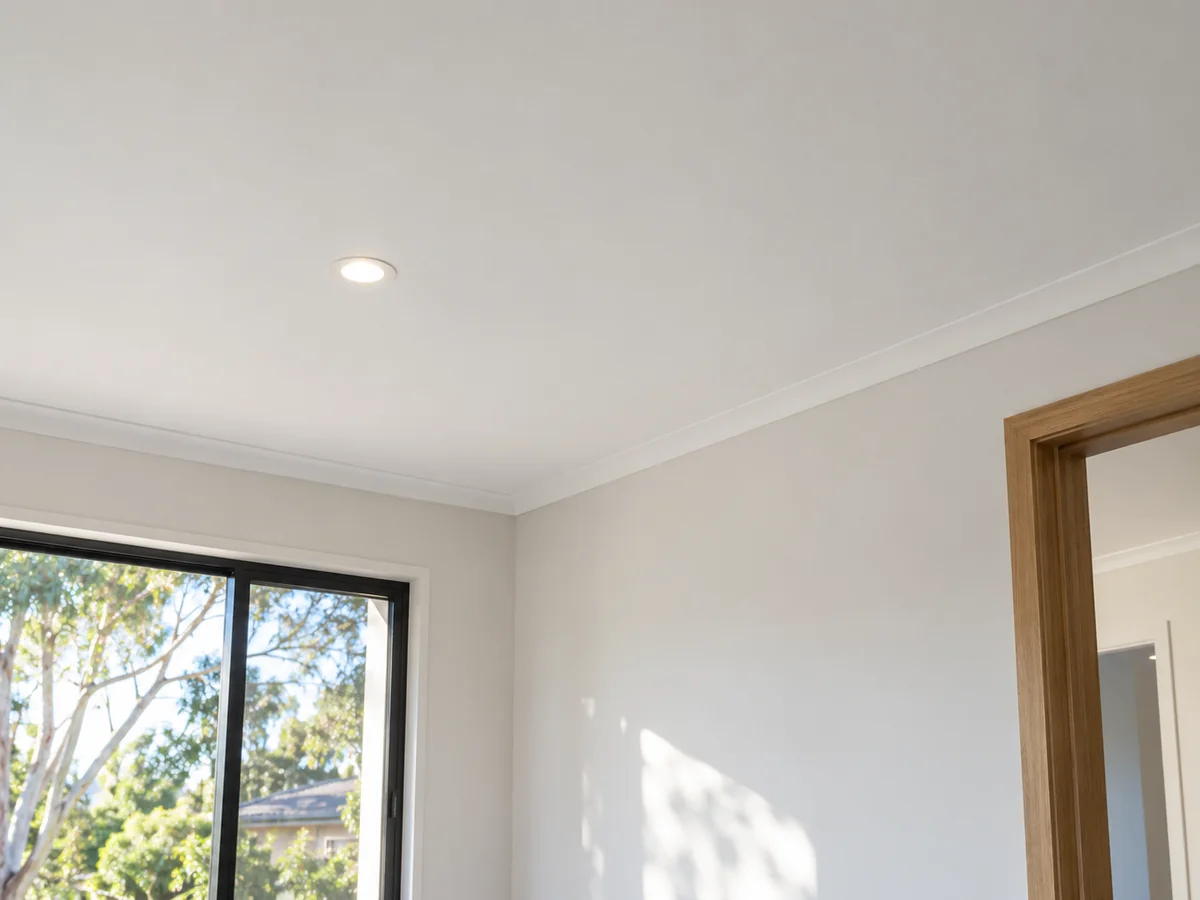
Ceiling linings, replacement sections and the wall-to-ceiling details that finish a room.
Read the job guideNewcastle East's housing mix includes 52% flats or apartments, 38% semi-detached or terraced homes, and 8% separate houses. This density means plastering work often involves shared walls and ceilings between units. Older buildings with concrete slabs over rooms create specific challenges for ceiling installations and repairs.
The high proportion of apartment living means plastering jobs frequently require careful coordination with building management. Access to upper floors, protecting common areas during work, and managing noise for residents are standard considerations in this environment.
In townhouse layouts, the shared walls between properties need special attention during repairs. Cracks can appear where different construction materials meet, and the patch needs setting and sanding so the join does not show.
Keeping disruption down and matching the repair to the surrounding surface matter most in these buildings. How the job is approached depends on the building, and that is settled when we quote.
Many older Newcastle East buildings feature plasterboard ceilings installed beneath concrete slabs. These ceilings often develop cracks as the structure settles over time. The separation between the ceiling and the slab creates unique repair challenges not seen in freestanding homes.
When replacing or repairing these ceilings, we must consider the limited access from below and the need to match the existing ceiling profile. The plasterboard sheets must be secured to the underlying structure without creating visible seams or uneven surfaces.
Repairing these ceilings requires understanding the structural relationship between the slab and the plasterboard. We assess the condition of the existing ceiling before deciding whether to patch, reline or fully replace sections.
The process involves careful preparation to ensure new sections align with the existing ceiling profile. This is especially important in the dense housing environment where visible discrepancies can be more noticeable in shared spaces.
Plastering in apartment buildings requires different planning than single-family homes. We coordinate with building managers to schedule work during appropriate times, avoiding peak occupancy hours. Access to lifts and stairwells is planned to minimise disruption to residents.
Protecting common areas from dust and debris is essential during plastering work. Doorways, hallways and lifts are covered with protective sheets before the work starts. This prevents contamination of shared spaces during the work process.
The limited space in apartment buildings affects how we approach certain repairs. We often need to work around existing fixtures and furniture, requiring careful planning for each specific unit before beginning work.
Understanding apartment building layouts helps us plan the most efficient approach to plastering work. This includes considering the location of building services and how they might impact the work schedule.
The high density of local housing creates specific moisture challenges. In apartment buildings, water damage from upper floors can affect multiple units below. This requires careful inspection of both the source and the affected areas.
Moisture issues often manifest as stains on ceilings or walls, particularly around windows and bathrooms. We assess the cause of water damage before planning repairs to prevent recurrence. This involves checking for issues with plumbing, gutters, or roof structures.
The 52% apartment density means that moisture damage can spread between units more easily than in detached homes. We focus on repairing the source and the affected surfaces to maintain dry conditions in the area.
Our approach to moisture damage includes thorough cleaning of affected areas and ensuring proper ventilation during repairs. This lets the new plaster dry properly before it is painted.
The 38% semi-detached and townhouse mix in the suburb means many homes have shared walls. Sound transmission between units can be a significant issue for residents. Plastering solutions can help reduce noise transfer between living spaces.
We install acoustic plasterboard in shared walls to improve sound control. This is particularly important in areas where residents want to create quieter living environments without major structural changes.
The selection of plasterboard type is based on the specific noise concerns. We consider the placement of walls relative to living areas and how sound travels through the building structure.
Acoustic solutions are often most effective when integrated during initial construction. However, we can implement these solutions in existing homes to address ongoing noise issues between units.
Tell us about the plastering work you have in mind.
Share your property location and the work involved. We take on work in any suburb within about an hour's drive of Kotara. Beyond that, high-value jobs only, by arrangement.