

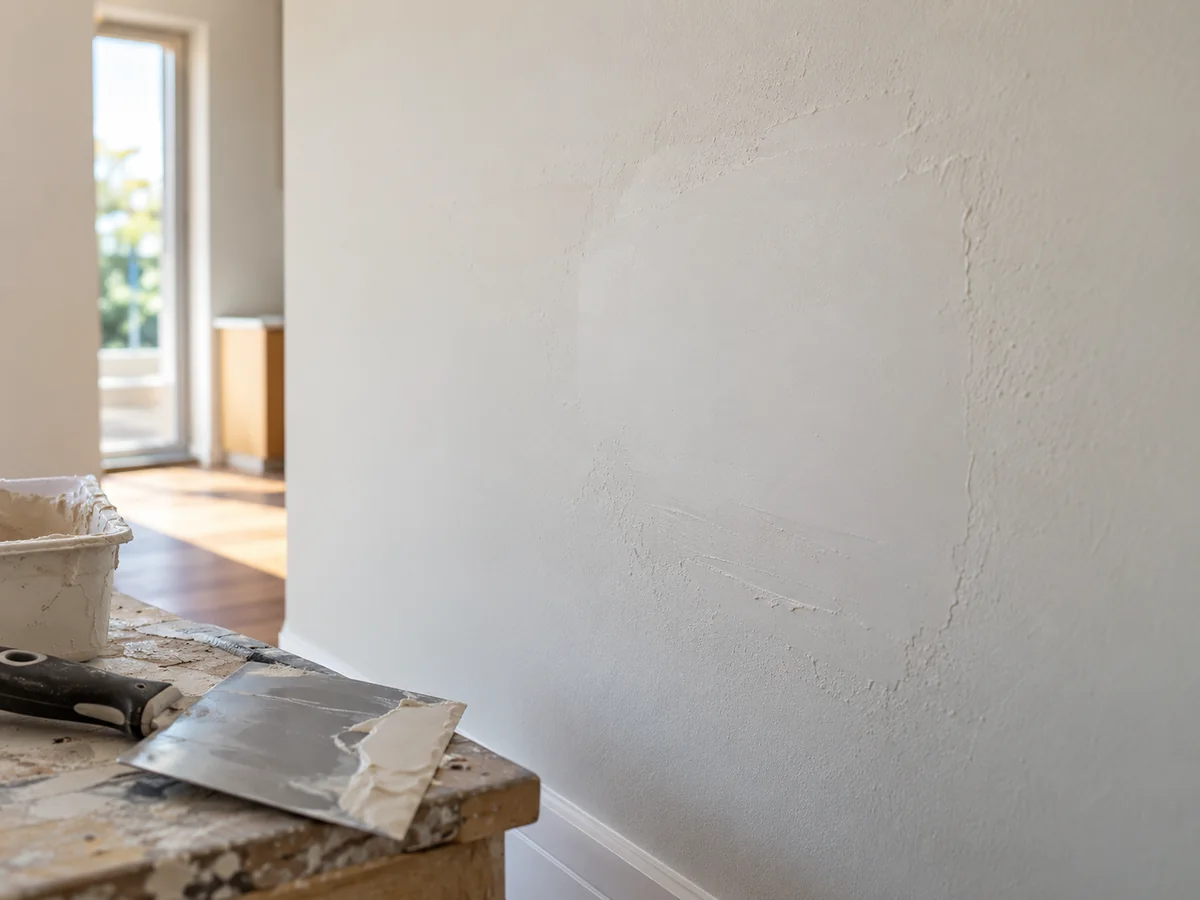
Holes, cracks & plaster repairs
A patch in the wall, a damaged corner or a crack in the ceiling starts with the affected surface.
Read the job guideMetford · Plastering enquiries
Plastering for homes in Metford, on the New England Highway in Maitland, which had 1,750 occupied homes at the 2021 Census. Call or text for a free quote with your street and the work involved.
Local area photograph: Metford railway station.
Photo by Grahamec. Source: Metford railway station.jpg. Licence: CC BY-SA 4.0. Image resized for this page.
At the 2021 Census, 84% of the 1,750 occupied homes in Metford were separate houses, 13% were semi-detached houses, terraces or townhouses and 3% were flats or apartments. That mix brings a spread of work: repairs, ceilings and renovations in the houses, and patching and sound-control linings in the townhouses and units.
A patch in the wall, a damaged corner or a crack in the ceiling starts with the affected surface.
Read the job guide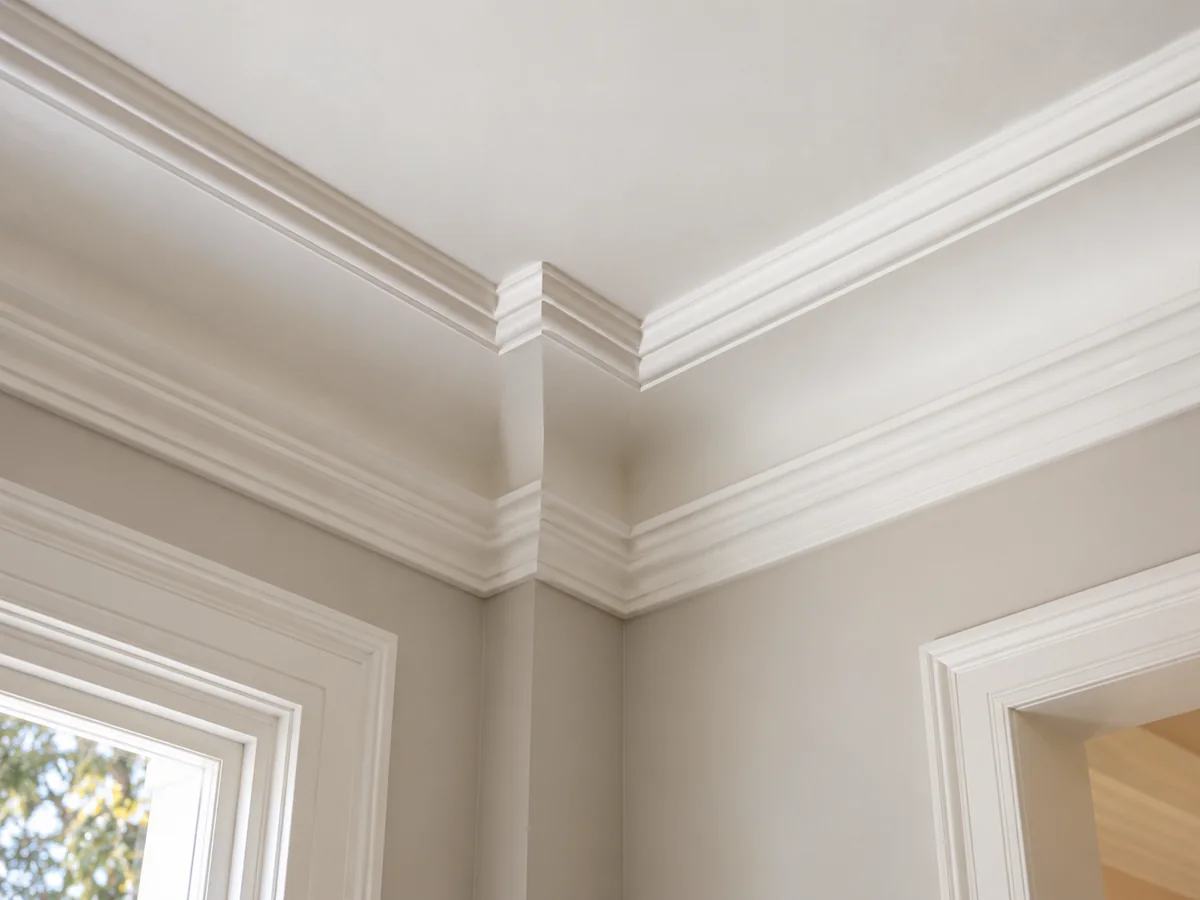
Wall-to-ceiling cornices, damaged profiles and decorative details that need a considered match.
Read the job guide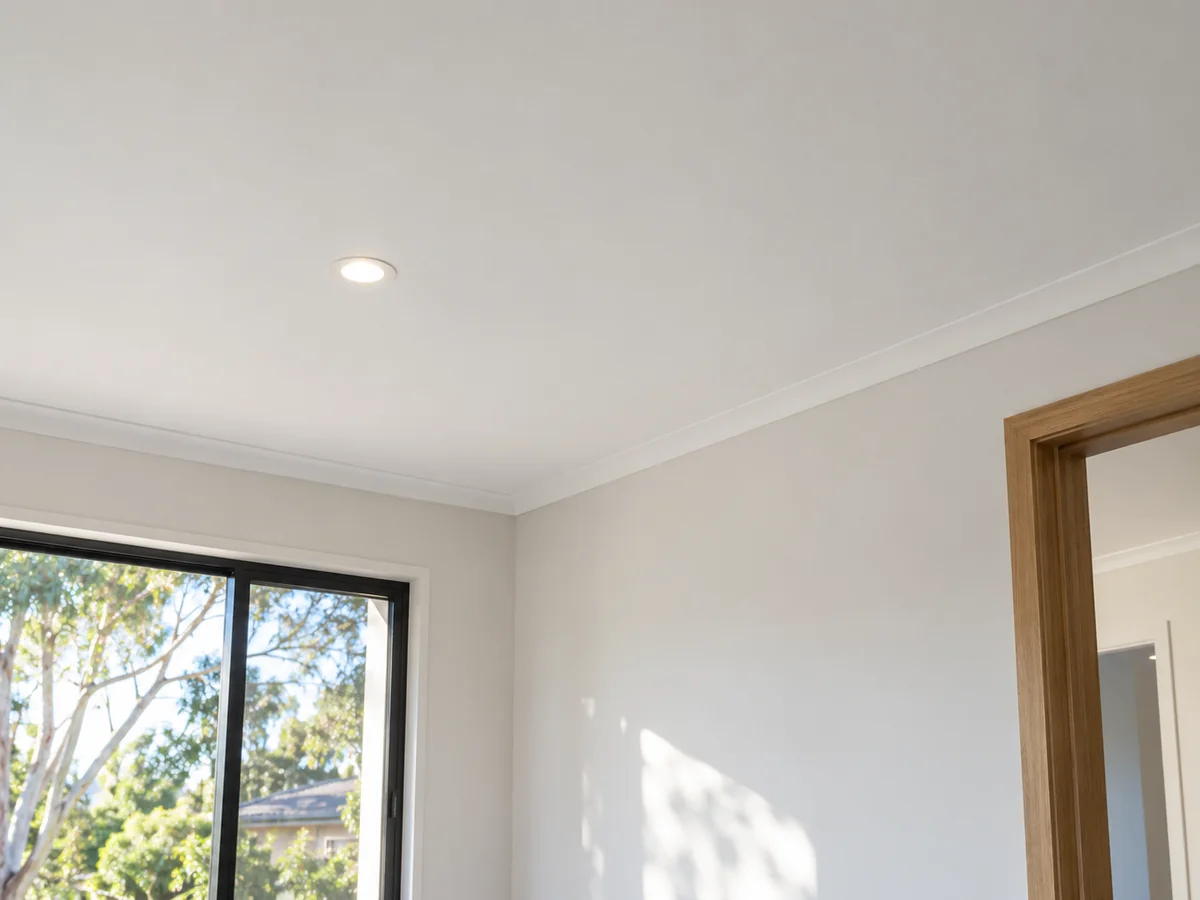
Ceiling linings, replacement sections and the wall-to-ceiling details that finish a room.
Read the job guideMetford's housing mix, with 84% separate houses and 13% townhouses and semi-detached homes, creates distinct plastering needs. Older separate homes often need relining after years of wear, while attached properties require careful attention to shared wall joints. The 3% flat and apartment presence means some work focuses on sound control in confined spaces.
Shared walls between townhouses show different wear patterns than standalone properties. Cracks often appear along ceiling lines where the structure shifts. This requires a different approach to patching than in detached homes, where movement is less common. The plastering process must account for these structural differences.
The 2021 Census data shows Metford has a mix that affects how we prepare for work. Separate houses might need full ceiling replacements, while townhouses need more focused attention on joints. We adjust our techniques based on the home type before starting any project.
Updating a townhouse in Metford often involves creating precise edge details around new features. This requires exact measurement and alignment to match existing corners. The edge detail must be exact to maintain visual continuity when the new work meets the old structure.
Townhouses have less room for error than separate homes. A small misalignment becomes more noticeable in close quarters. We pay special attention to the line where new and old plaster meet, making sure the transition is clear and clean without gaps.
The edge detail affects how the room looks when finished. It's not just about the plaster itself but how it integrates with the rest of the space. Proper execution ensures the new work feels like a natural part of the existing home.
Shared walls between townhouses in the suburb can develop cracks over time. This happens where the structure moves slightly, especially in older properties. The cracks often run along the ceiling line where the wall meets the roof structure.
Patching these cracks requires more than just filling the gap. We need to consider why the movement happens before patching, and whether a builder should look at the wall first.
The location of the crack affects the repair method. A crack near the floor might need different treatment than one running along the ceiling. We assess each situation to determine the right approach for the suburb's housing types.
Cracks along ceiling lines in attached homes often appear where the ceiling meets shared walls. This happens because the structure moves slightly over time. The cracks can start small but grow if left unaddressed.
When repairing these areas, we consider how the ceiling connects to the walls. The repair must match the existing plaster finish and colour. This ensures the patched area doesn't stand out from the rest of the ceiling.
With 13% of homes being townhouses, this is a common issue in the suburb. We adjust our techniques to match the specific needs of attached properties, not just treat each crack as a generic problem.
Townhouses in the suburb need special attention for noise reduction between rooms. The plastering process includes creating walls that reduce sound transfer. This is important for comfort in close quarters.
We use specific plasterboard types that help with noise reduction. The installation method affects how well the sound reduction works. Proper jointing and finishing are key to achieving this.
With 13% of homes being townhouses, noise reduction comes up often in the suburb. We don't add noise reduction where it's not needed, but we make sure to include it when it's required for the home type.
Older separate homes in the suburb often show water damage patterns from roof leaks. These leaks can occur in the ceiling or along walls where the roof meets the structure. The damage might be hidden until it's time for a new plaster finish.
Repairing water damage requires addressing the source of the leak before starting plastering. This might involve checking the roof structure or plumbing. The plastering work itself must be done on dry surfaces for lasting results.
With 84% of homes being separate houses, this pattern is common in the suburb. We adjust our approach to match the specific damage found in older homes, not just follow a standard repair method.
Tell us about the plastering work you have in mind.
Share your property location and the work involved. We take on work in any suburb within about an hour's drive of Kotara. Beyond that, high-value jobs only, by arrangement.