

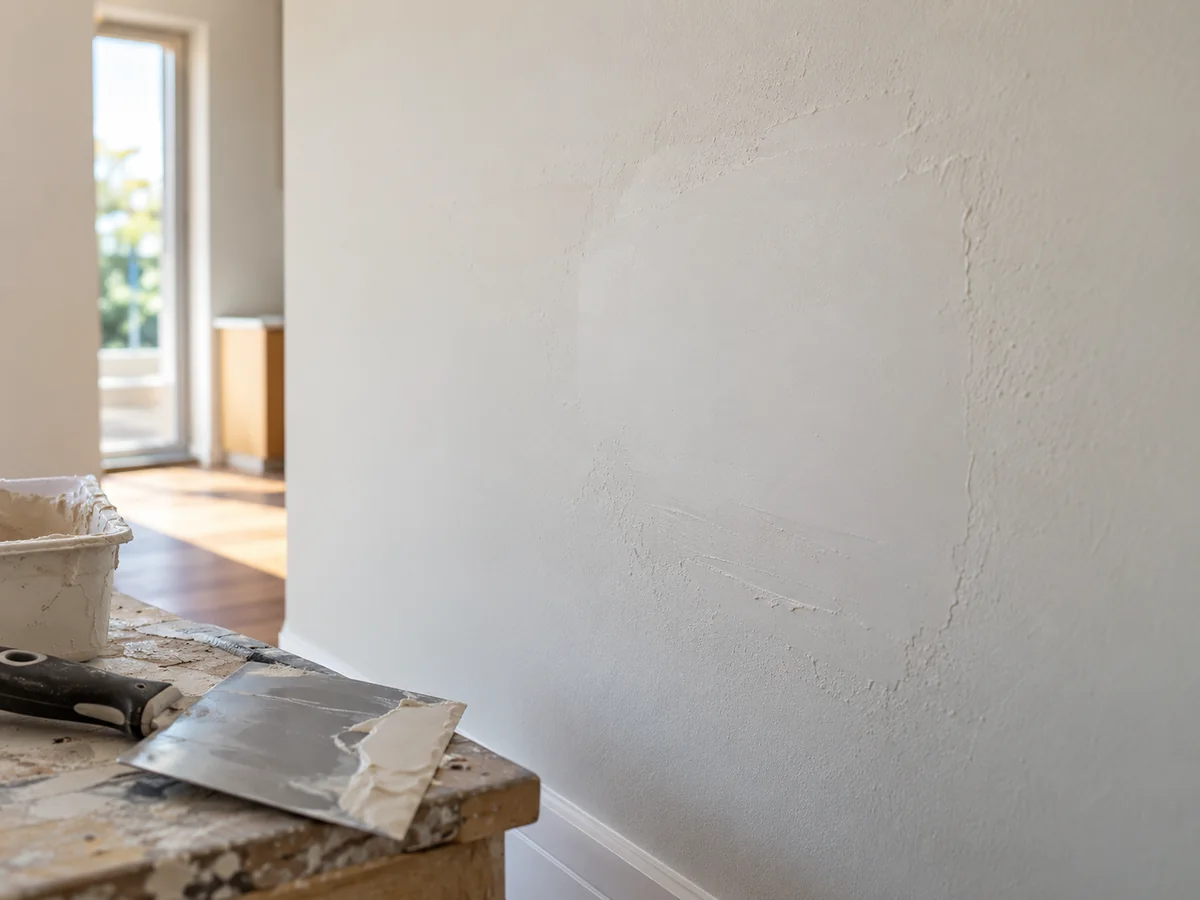
Holes, cracks & plaster repairs
A patch in the wall, a damaged corner or a crack in the ceiling starts with the affected surface.
Read the job guideMaryville · Plastering enquiries
Plastering for homes in Maryville, about 4 km northwest of Newcastle's city centre, which had 688 occupied homes at the 2021 Census. Call or text for a free quote with your street and the work involved.
Photo: Newcastle.
Photo by Patrick Quinn-Graham. Source: Bolton street newcastle.jpg. Licence: CC BY 2.0. Image resized for this page.
At the 2021 Census, 63% of the 688 occupied homes in Maryville were separate houses, 29% were semi-detached houses, terraces or townhouses and 8% were flats or apartments. Once an industrial suburb of smaller miners' cottages, Maryville has seen many of its older homes redeveloped and sold. That mix brings a spread of work: repairs, ceilings and renovations in the houses, and patching and sound-control linings in the townhouses and units.
A patch in the wall, a damaged corner or a crack in the ceiling starts with the affected surface.
Read the job guide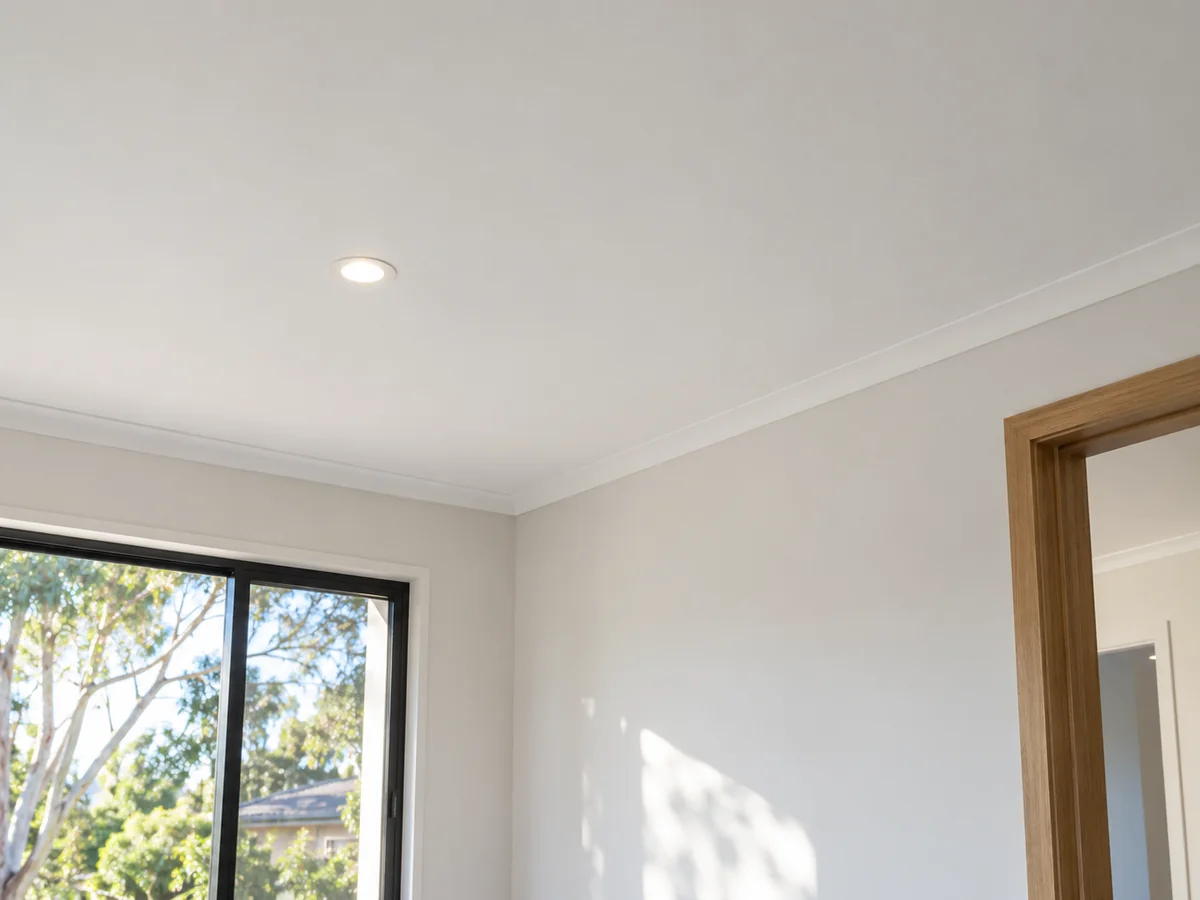
Ceiling linings, replacement sections and the wall-to-ceiling details that finish a room.
Read the job guide
Plan the plastering alongside the other work in your renovation, extension or new space.
Read the job guideMaryville's housing mix shapes how plastering work appears across the suburb. With 63% separate houses, 29% semi-detached or townhouses, and 8% flats, each type brings different plastering needs. Older homes often need ceiling repairs, while newer townhouses require sound control linings. The mix means plastering work varies from single-wall patching to full room updates.
The 2021 Census shows a balance of housing types, so the jobs are varied. Older separate houses may need ceiling repairs from past leaks, while townhouses focus on functional linings for shared walls. This diversity means the plastering runs across a wide range of tasks without one type dominating.
The historical background of Maryville means many older homes have been redeveloped. This leaves a mix of plastering challenges: some areas need simple patching, others require full relining. The suburb's housing patterns call for every kind of plastering job across the home types.
Plastering work in the suburb reflects its housing mix. Separate houses often need ceiling repairs, townhouses focus on linings, and flats require careful patching. This pattern helps us prepare for the range of jobs the area brings.
Older separate houses in the suburb often need ceiling replacement after years of wear. Water stains from historical roof leaks create weak spots that need careful removal. The process involves cutting out damaged sections and installing new linings without disturbing the original structure.
When replacing a ceiling, we assess the extent of damage before starting. Older homes may have uneven surfaces or hidden structural issues. This means we take time to prepare the area properly before installing new plasterboard sheets.
With 63% of the suburb's homes being separate houses, ceiling replacement is a common job type. We focus on matching the original style while ensuring a solid finish. This includes careful edge work and surface preparation so the join does not show.
For older homes, ceiling replacement requires attention to detail. We ensure the new section blends with existing areas, using the same materials where possible. This helps maintain the home's character and keeps the new section from standing out.
Granny flats on house blocks in the suburb often need new plasterboard linings. The space is usually small, requiring precise work to fit the walls and ceilings. We focus on clean edges and smooth finishes for these compact areas.
Lining a granny flat means working within tight spaces. We prepare the surface carefully, checking for any cracks or damage before starting. This gives the new lining a sound base to fix to.
The mixed housing type in the suburb means many homes have granny flats. These need proper linings so the flat feels like part of the home. We work with the existing layout without changing the room's function.
Granny flat plastering requires attention to detail. We make sure all edges are straight and the surface smooth. This creates a clean, functional space that matches the main house's style.
Water damage patterns in local homes vary by housing type. Older separate houses often show stains from historical roof leaks, while townhouses may have damage from plumbing behind walls. These patterns guide how we approach repairs.
For older homes, water damage usually appears as stains on ceilings. We remove the damaged plaster and replace it with new sections. The process includes checking for hidden issues before starting the repair.
In the 63% separate houses, water damage often means ceiling repairs. In townhouses, it focuses on walls near plumbing. This pattern helps us prepare the right tools and materials for each job.
We assess water damage carefully before starting. This means checking for structural issues and ensuring the repair matches the existing surface. This approach prevents future problems with the plasterwork.
Updates in the suburb's mixed housing require careful planning. Separate houses might need wall relining, while townhouses require sound-control linings. We adjust our approach based on the home type and its age.
For older homes, we focus on preserving original features while making repairs. This means matching the plaster style and using similar materials. For newer homes, we aim for clean, simple finishes that fit modern needs.
The mix of housing types means different plastering patterns across the suburb. This helps us prepare for the range of work without needing special tools for each job.
We work with the existing housing patterns in the suburb. This means understanding what each home type needs and delivering plastering work that fits the home's character.
Tell us about the plastering work you have in mind.
Share your property location and the work involved. We take on work in any suburb within about an hour's drive of Kotara. Beyond that, high-value jobs only, by arrangement.