

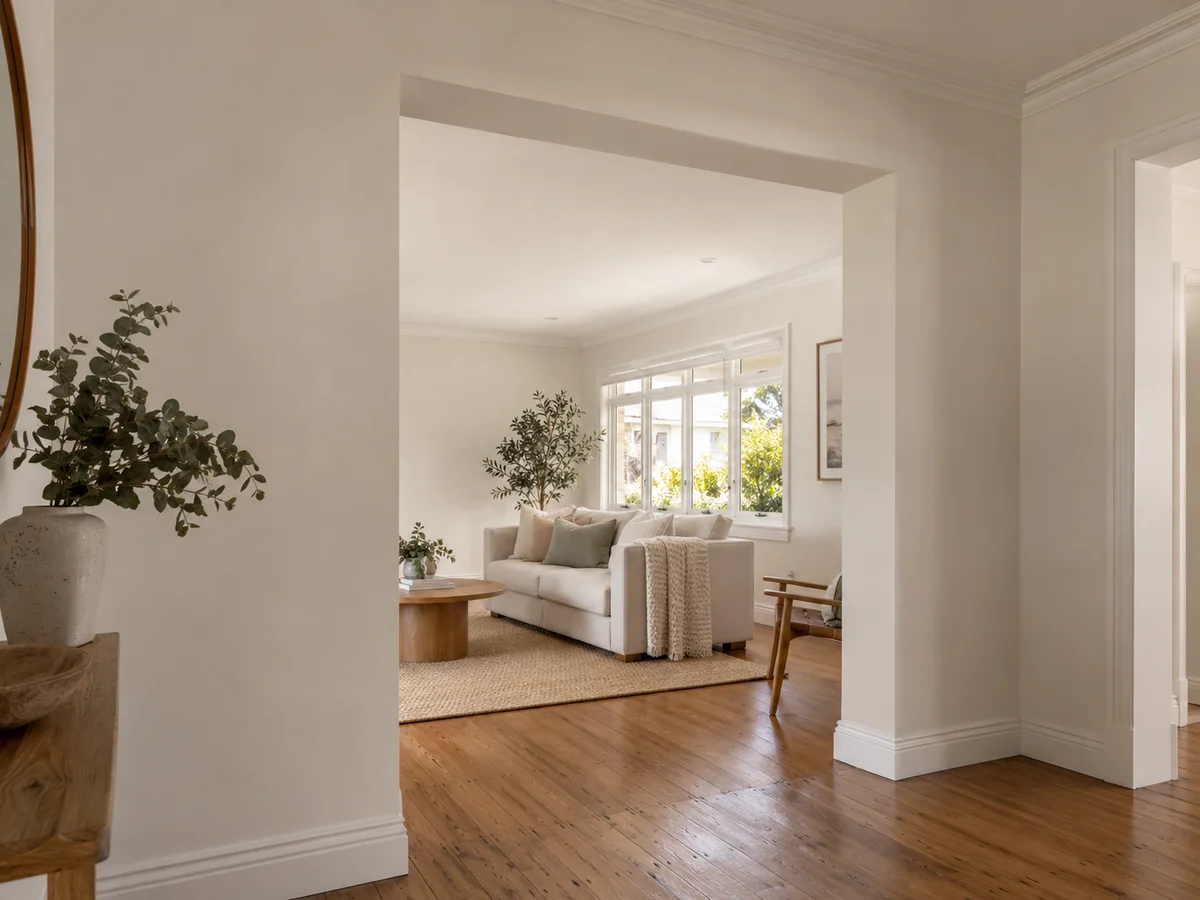
Renovations, extensions & new linings
Plan the plastering alongside the other work in your renovation, extension or new space.
Read the job guideMacquarie Hills · Plastering enquiries
Plastering for homes in Macquarie Hills, about 15 km west of Newcastle's city centre, which had 1,247 occupied homes at the 2021 Census. Call or text for a free quote with your street and the work involved.
Photo: Lake Macquarie.
Photo by Tim Starling. Source: Lake Macquarie aerial 1.jpg. Licence: CC BY 2.0. Image resized for this page.
At the 2021 Census, 98% of the 1,247 occupied homes in Macquarie Hills were separate houses. Suburban growth began in the late 1960s with new residential estates, and development spread further west and south in the 1990s and 2000s. For houses like these the usual work is patching cracks and holes, replacing tired or sagging ceilings, repairing cornices and relining rooms during a renovation.
Plan the plastering alongside the other work in your renovation, extension or new space.
Read the job guide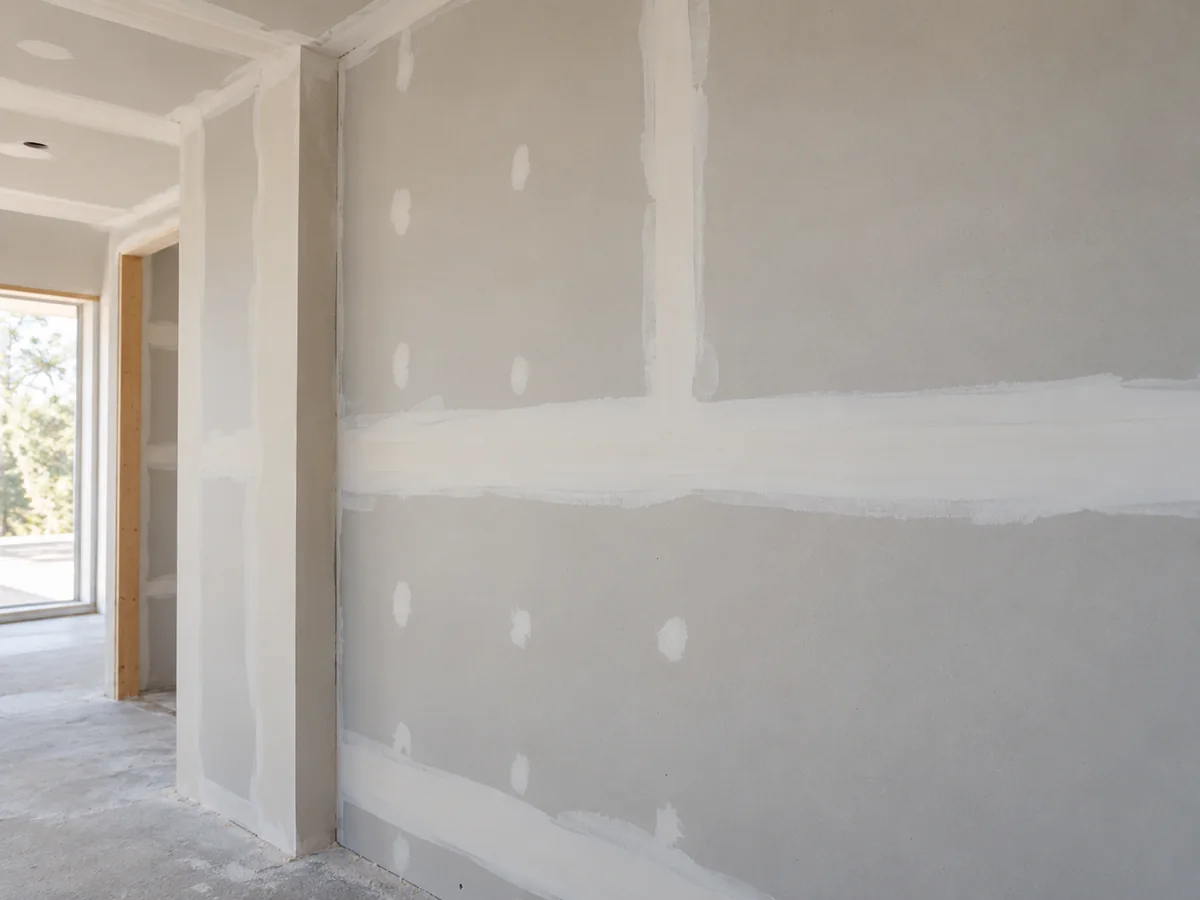
Fresh wall linings for a room, a changed layout or an existing surface that needs replacing.
Read the job guide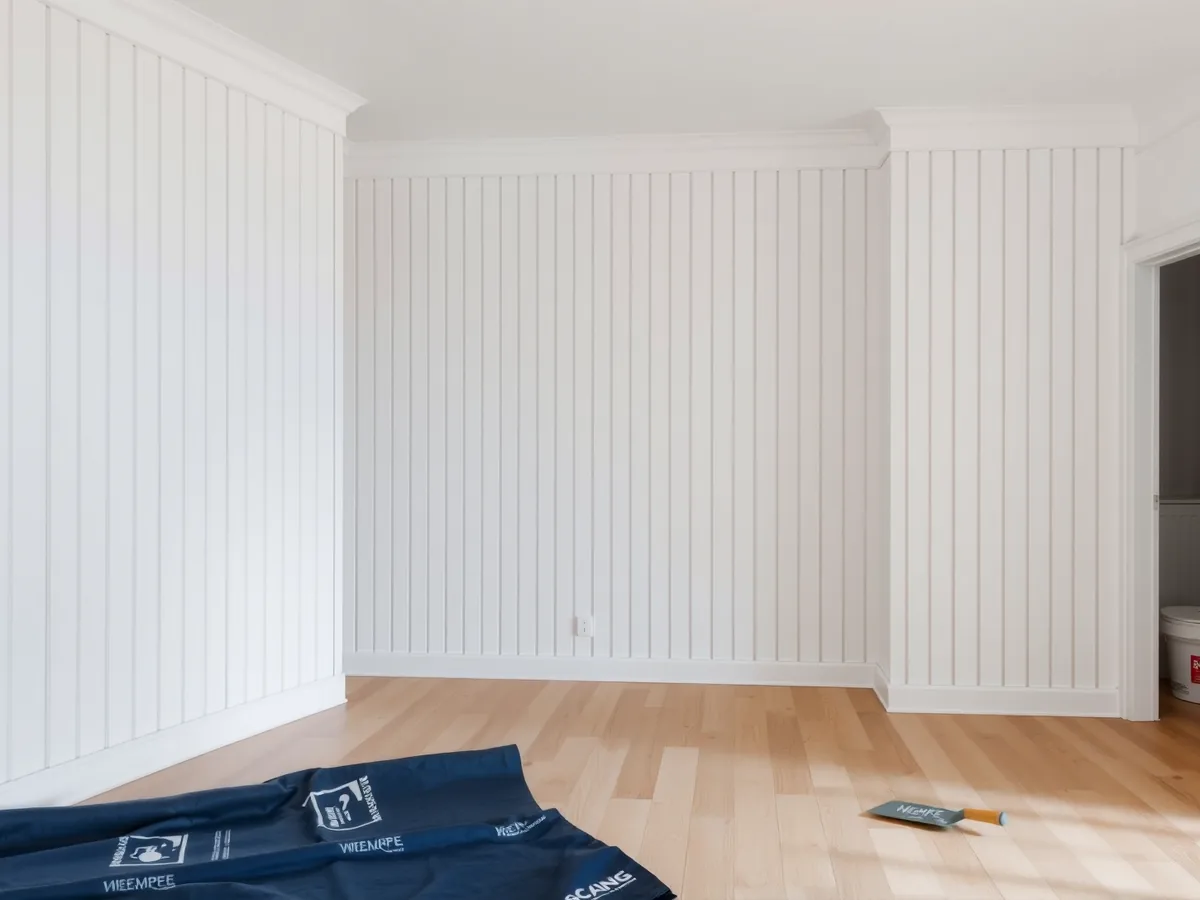
Vertical grooved wall panelling for feature walls and whole rooms, set ready for paint.
Read the job guideMacquarie Hills' housing mix is almost entirely separate houses, with 98% of the 1,247 occupied homes being standalone properties. This pattern influences the type of plastering work most common here. Older homes from the late 1960s and 1990s developments often need different approaches than newer constructions.
The long history of suburban growth means many properties have original plasterwork that may need updates or repairs. We approach each home based on its age and construction method, focusing on solutions that match the original building techniques where possible.
Houses of the same era tend to share the same plastering needs. Cornice joints opening, ceiling sheets dropping between the joists and cracks above doorways are the usual items.
Adding a new room or extending an existing space typically involves installing plasterboard sheeting. This requires careful measurement and planning to match the existing room dimensions and structural layout. The process includes cutting to size and securing to the frame.
We consider the location of windows, doors, and existing structural elements when planning new linings. Proper alignment ensures a neat look with the rest of the home. The work must accommodate the new space's function and flow.
The installation process involves setting the joints and ensuring a flat surface before finishing. This step is crucial for achieving a smooth surface that matches the rest of the home's interior. It requires precision to avoid visible seams or uneven surfaces.
Renovating a room often requires relining the walls and ceilings to match the new design. This involves either stripping the old lining or fixing new sheets over it, and preparing the surfaces for new material. The process can reveal hidden issues that need attention.
We assess the existing structure before starting the relining work. This includes checking for any damage or inconsistencies that might affect the new installation. Proper preparation gives the new lining a straight, sound frame to fix to.
The relining process must accommodate the room's new purpose and the homeowner's preferences. This might include specific surfaces or the integration of new features like built-in shelves or lighting.
Many older homes in Macquarie Hills show water damage patterns from historical roof leaks. These usually appear as stains on ceilings and walls, often near the roof line or in areas where plumbing might have leaked. The damage can be subtle at first, but a soft patch of plaster keeps spreading.
The pattern of water damage tends to follow the building's original construction. Older homes might have different materials and methods that affect how water damage appears and how it should be repaired.
Repairing water damage requires understanding the original construction. We approach each repair based on the home's age and the type of damage observed, ensuring the fix matches the building's original characteristics.
Original cornices in older homes often need updating to match current interior styles. This work involves removing old sections and replacing them with new pieces that fit the room's design. The process requires careful measurement and matching of styles.
The type of cornice detail affects how we approach the work. Older homes typically have more intricate details that need to be preserved or carefully replicated. This requires attention to historical accuracy.
Updates to cornices must align with the room's overall design. We consider the existing architectural features to ensure the new detailing complements rather than clashes with the home's character.
Older ceilings often show signs of structural shifts that affect plasterwork. These shifts can cause cracks or uneven surfaces that need addressing before any new work. Understanding these shifts is key to a lasting repair.
The type of ceiling construction in older homes affects how we approach repairs. We must consider the original building methods and materials used. This helps us avoid further damage during the repair process.
Structural shifts in ceilings require careful assessment before any plastering work begins. This ensures the repair addresses the root cause, not just the visible symptoms of the problem.
Tell us about the plastering work you have in mind.
Share your property location and the work involved. We take on work in any suburb within about an hour's drive of Kotara. Beyond that, high-value jobs only, by arrangement.