


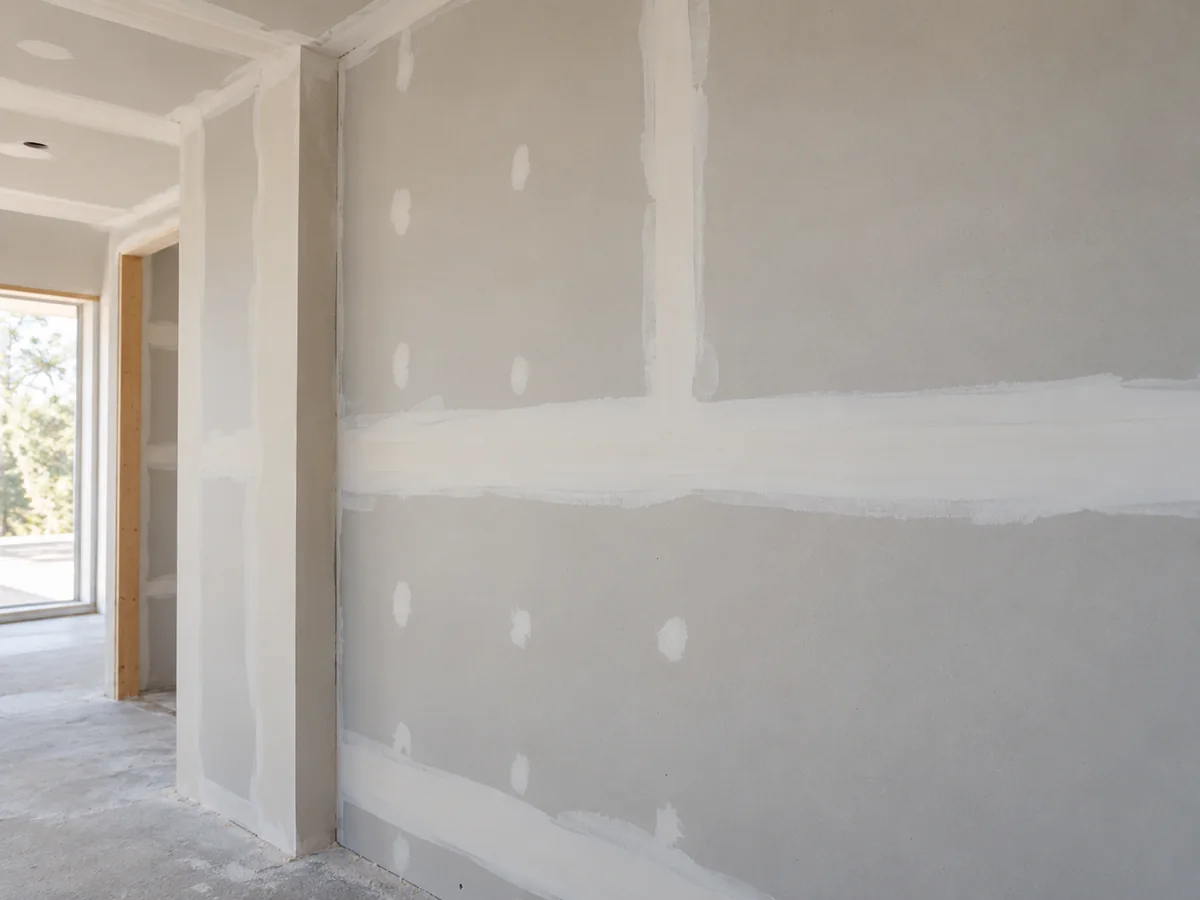
Plasterboard walls & relining
Fresh wall linings for a room, a changed layout or an existing surface that needs replacing.
Read the job guideKotara · Plastering enquiries
Plastering for homes in Kotara, about 9 km from Newcastle's city centre, which had 1,476 occupied homes at the 2021 Census. Call or text for a free quote with your street and the work involved.
Local area photograph: Westfield Kotara, photographed in 2007.
Photo by AussieLegend. Source: Westfield Kotara 001.jpg. Licence: Public domain (PD-self). Image resized for this page.
At the 2021 Census, 88% of the 1,476 occupied homes in Kotara were separate houses. For houses like these the usual work is patching cracks and holes, replacing tired or sagging ceilings, repairing cornices and relining rooms during a renovation.
Fresh wall linings for a room, a changed layout or an existing surface that needs replacing.
Read the job guide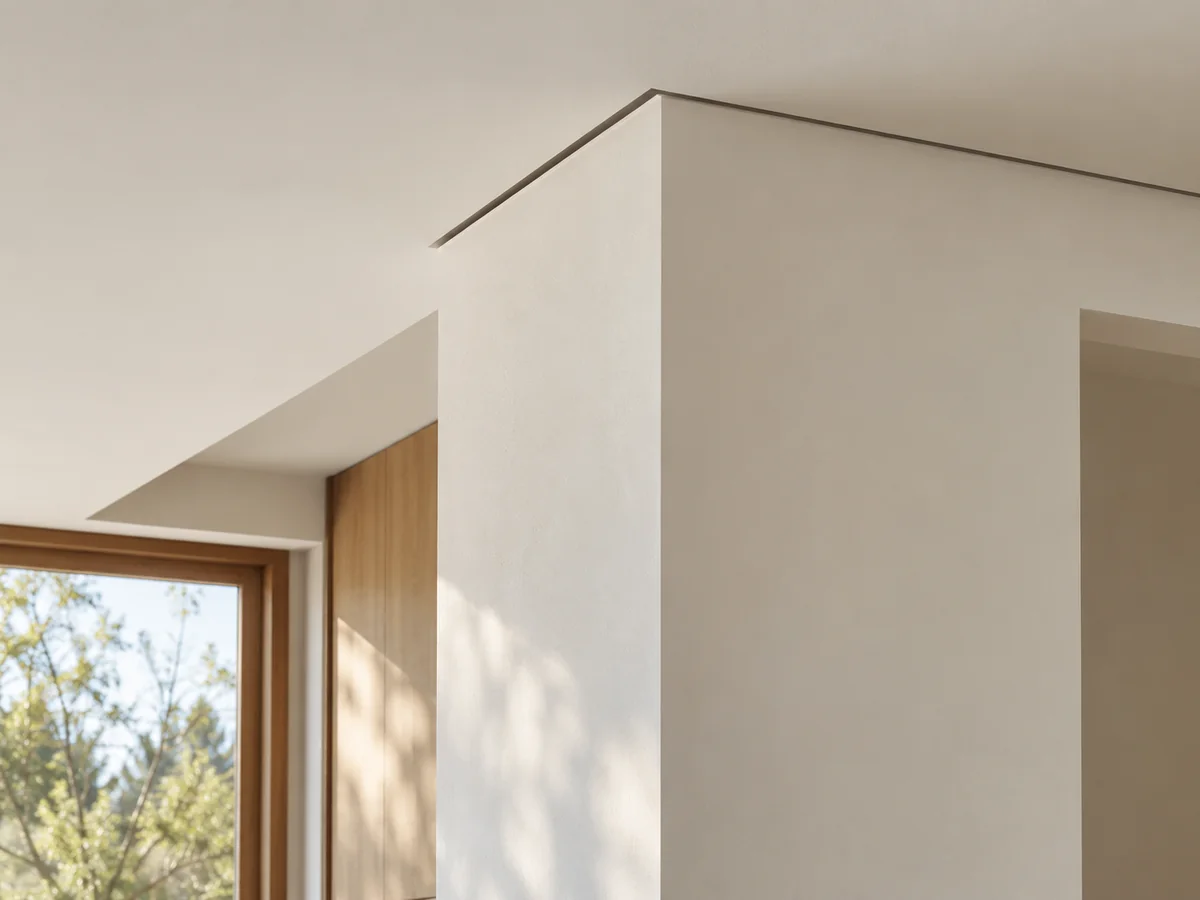
Clean junctions and recessed lines for rooms where the edge detail is part of the design.
Read the job guide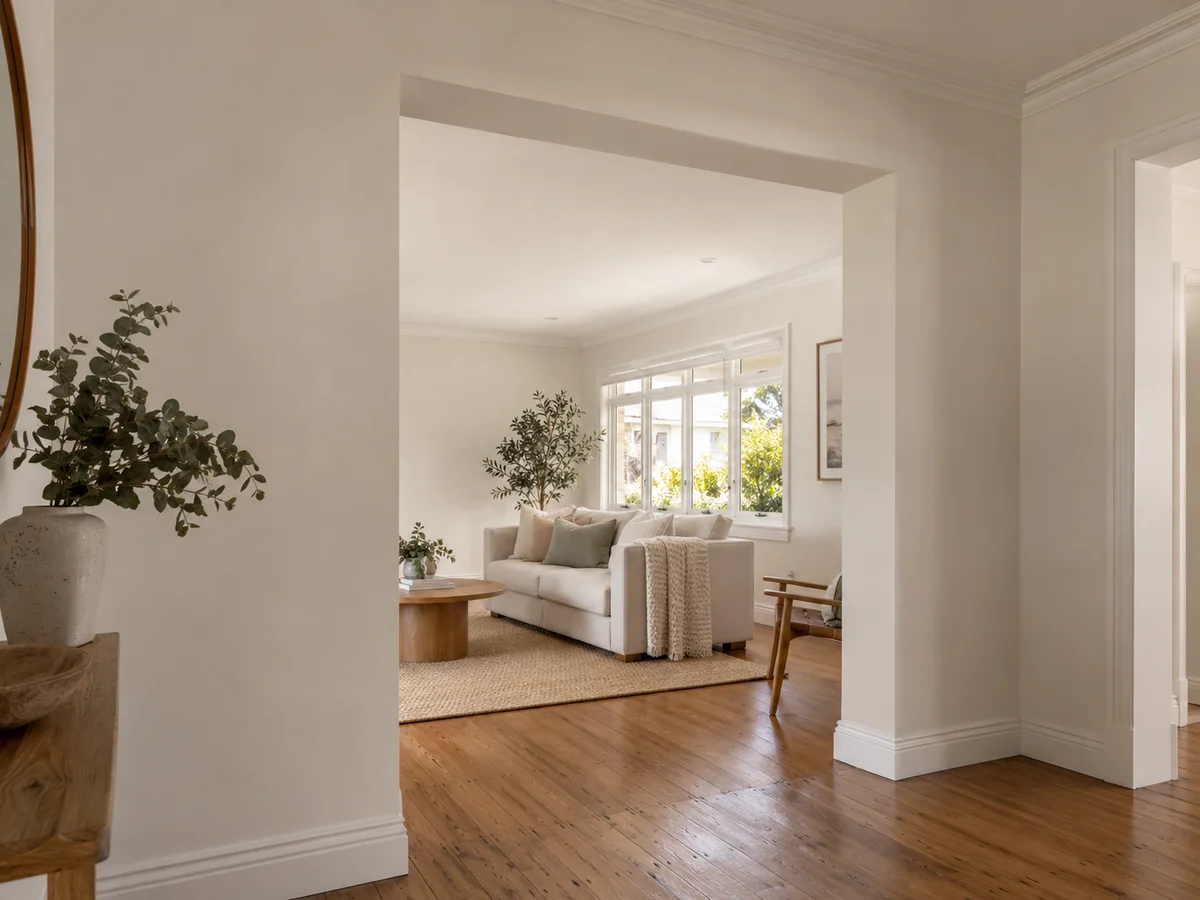
Plan the plastering alongside the other work in your renovation, extension or new space.
Read the job guideThe 2021 Census shows that 88% of the 1,476 occupied homes in this area are separate houses. These detached dwellings often have larger internal wall spans and higher ceilings than townhouses. Over time, the movement of a house on its foundations can lead to stress fractures in the plasterboard joints.
Separate houses also typically have more internal rooms and corridors. This means more opportunities for wear and tear on the cornices and wall corners. Homeowners often find that older plasterboard in these houses becomes brittle or develops sagging in the ceiling sheets due to age and weight.
Relining involves removing the old plasterboard and installing new sheets. This is common when a homeowner changes the internal layout of a house. Removing old linings allows for the installation of new electrical wiring or plumbing before the new walls are closed up.
The process involves sheeting the walls and ceilings, followed by setting. Setting is the application of tape and jointing compound to hide the gaps between sheets. A smooth finish is achieved through multiple coats of compound and sanding before the surface is ready for paint.
Kitchen renovations often leave gaps in the walls where old cabinetry was removed. These areas may have missing plasterboard or adhesive residue that needs to be levelled. Making good these surfaces ensures the new cupboards sit flush against the wall.
Ceiling repairs are also common in kitchens due to the installation of range hoods or new lighting. Cutting holes for recessed lights or venting often requires patching and blending the surrounding plaster to remove visible seams and bumps.
In many separate houses, older ceilings may begin to dip or sag between the joists. This happens when the original fixings loosen or the plasterboard absorbs moisture over time. A sagging ceiling can be a sign that the sheets need to be replaced entirely.
Replacing a ceiling involves removing the old material and installing new plasterboard. This is a good time to consider acoustic plasterboard if the room is under a noisy area. New sheets are screwed tightly to the joists to prevent future movement.
Bathrooms and laundries require specific linings to handle humidity. Standard plasterboard can soften and crumble if it stays damp. Wet-area linings are designed to resist moisture and prevent the walls from degrading behind tiles or paint.
When water damage occurs, the affected sections of the wall must be cut out. The area is then relined with moisture-resistant boards. Proper setting and finishing are required to ensure the surface is flat and stable for the final waterproof coating.
VJ panelling is a popular choice for adding detail to the walls of a house. It involves installing vertical grooves that provide a different look to a flat plasterboard wall. This can be used as a full wall covering or as a wainscot on the lower half of the wall.
The installation requires precise measuring to ensure the lines are straight and the joints are tight. Once the panelling is in place, the gaps are filled and sanded. This creates a solid, even surface that is ready for painting once the compound has dried.
Tell us about the plastering work you have in mind.
Share your property location and the work involved. We take on work in any suburb within about an hour's drive of Kotara. Beyond that, high-value jobs only, by arrangement.