
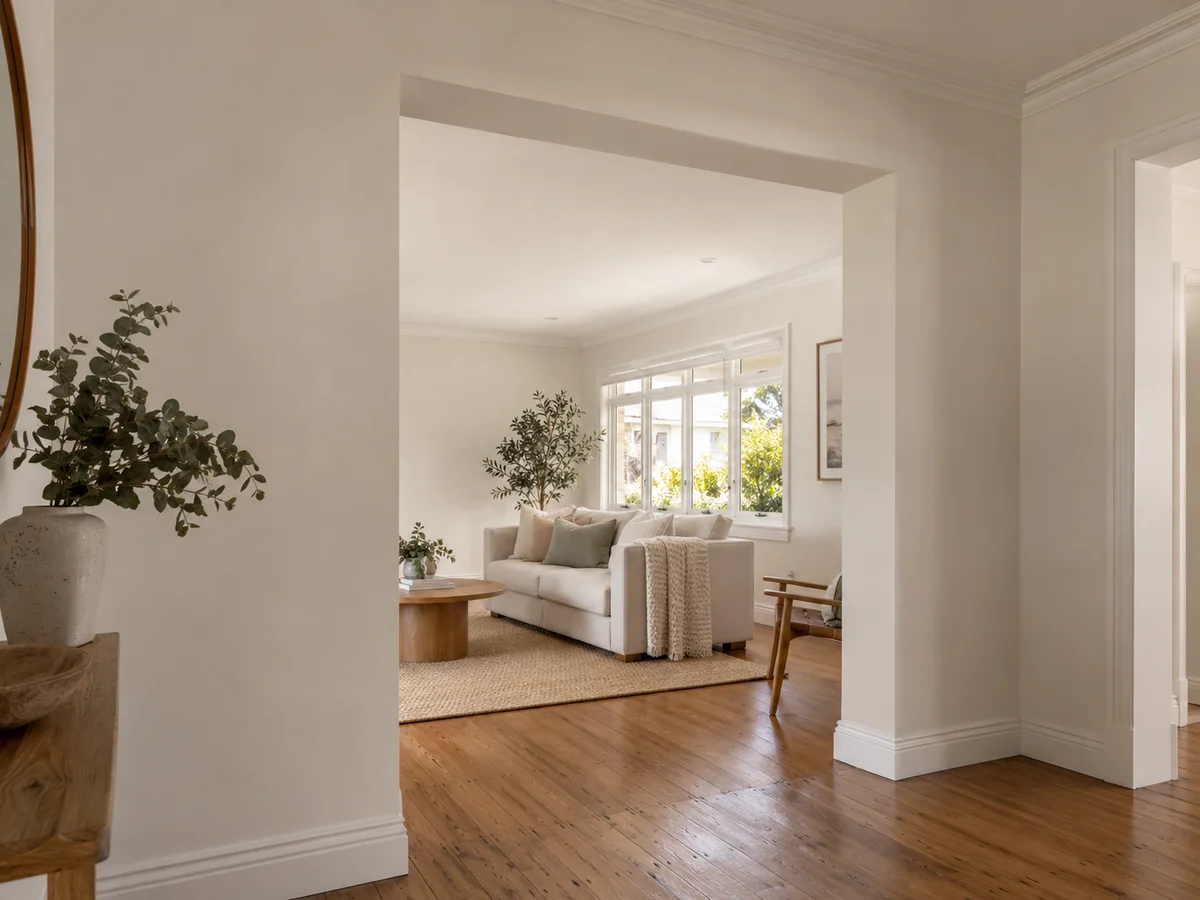
Renovations, extensions & new linings
Plan the plastering alongside the other work in your renovation, extension or new space.
Read the job guideHillsborough · Plastering enquiries
Plastering for homes in Hillsborough, about 13 km from Newcastle's city centre, which had 239 occupied homes at the 2021 Census. Call or text for a free quote with your street and the work involved.
Local area photograph: Hillsborough Road, Hillsborough, photographed in 2021.
Photo by ben-reuter; © Grab and KartaView contributors. Source: Hillsborough Road, Hillsborough NSW — street-level view, 16 January 2021. Licence: CC BY-SA 4.0. Image resized for this page.
Separate houses made up 96% of the 239 occupied homes in Hillsborough at the 2021 Census. Most calls from houses here are about crack repairs, ceiling replacement, cornice matching and new plasterboard for extensions and room changes.
Plan the plastering alongside the other work in your renovation, extension or new space.
Read the job guide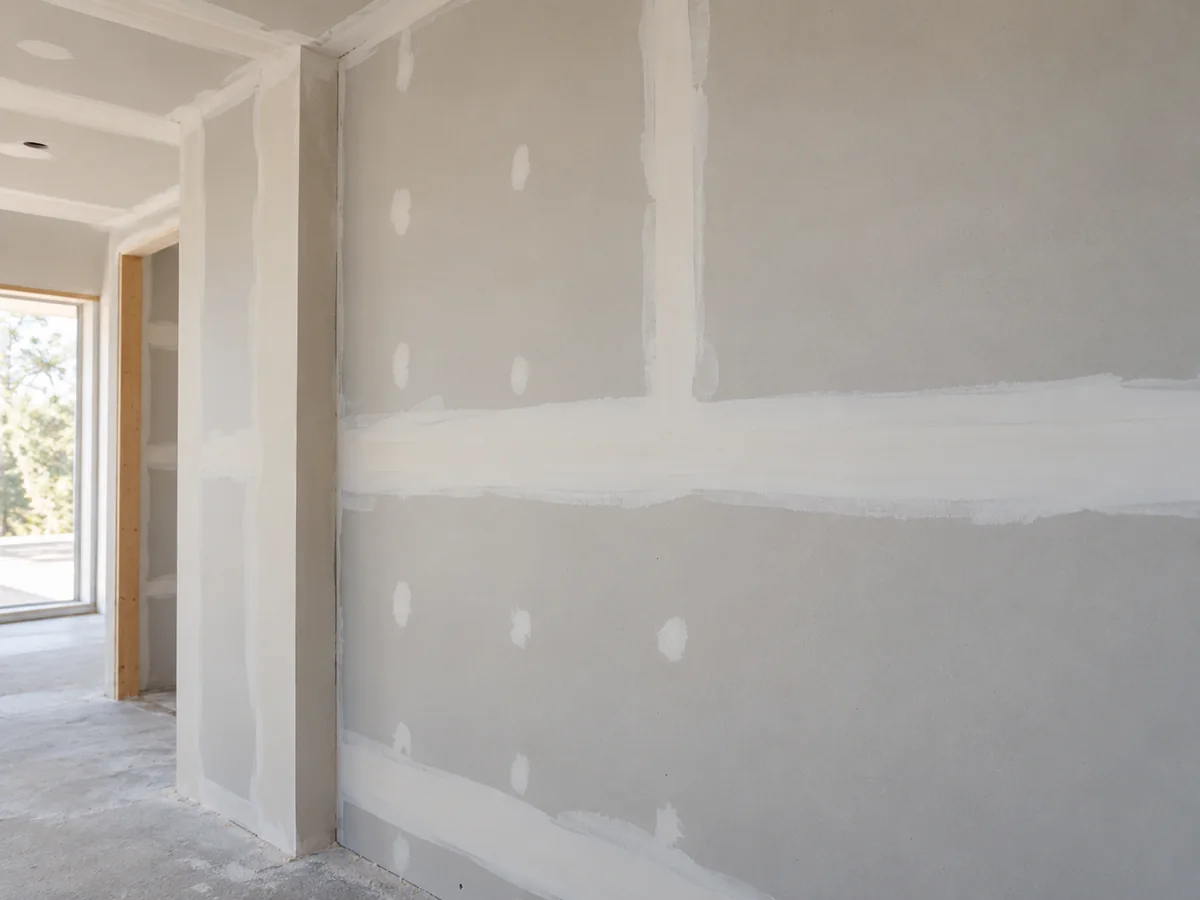
Fresh wall linings for a room, a changed layout or an existing surface that needs replacing.
Read the job guide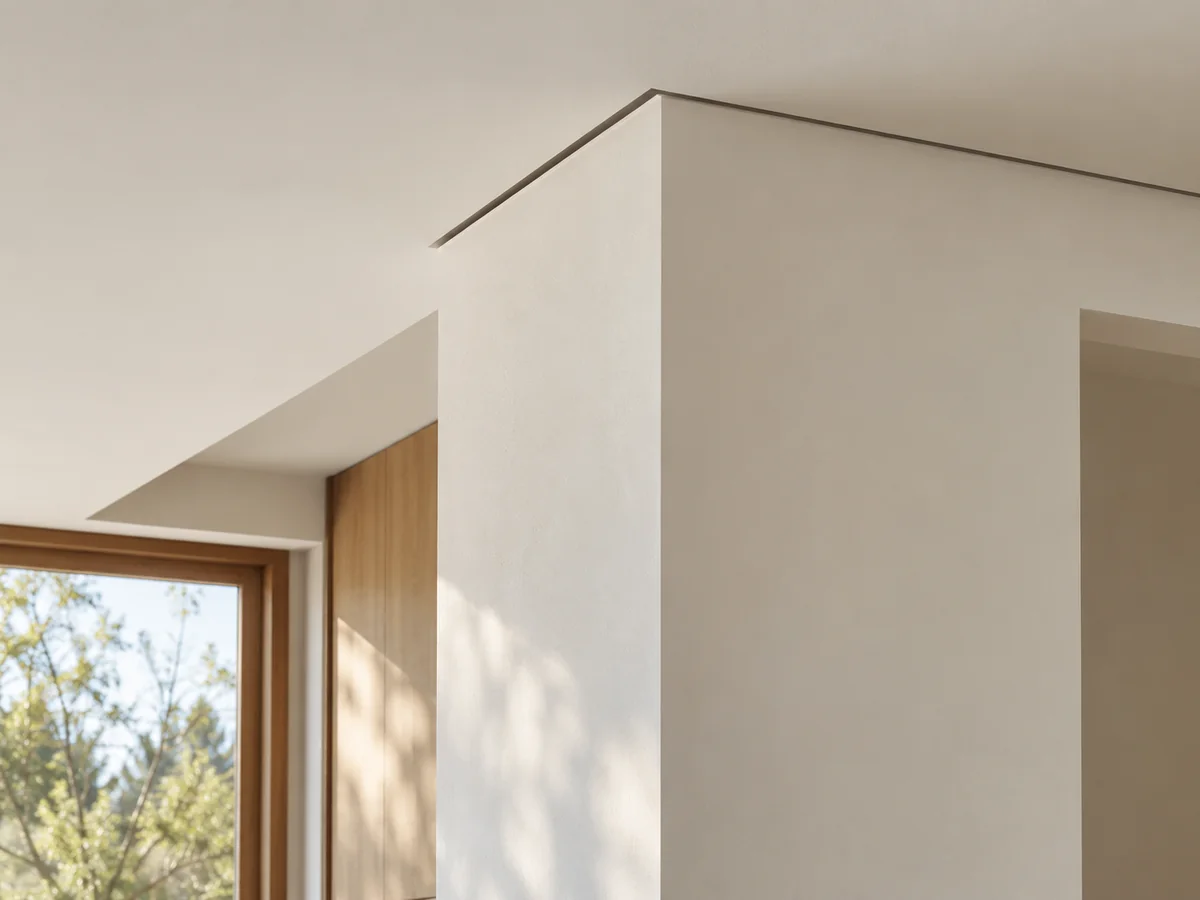
Clean junctions and recessed lines for rooms where the edge detail is part of the design.
Read the job guideHillsborough's housing mix reflects a community of separate houses, with 96% of the 239 occupied homes being standalone properties. This pattern means most plastering work involves single-family dwellings rather than shared structures. Older homes in the area often show wear in plastered surfaces due to natural ageing.
The absence of flats or semi-detached homes reduces the need for shared wall repairs. Instead, homeowners focus on individual property maintenance. This includes addressing cracks from settling or moisture, which are common in older construction methods used during the post-war building boom.
We approach each home based on its specific age and structure. The plastering process varies depending on whether the home is newer or has been standing for a long time. This ensures repairs match the original building techniques as closely as possible.
Small holes from nails or fixtures often appear on walls and ceilings during routine home use. On their own they are small, but a wall full of them shows through fresh paint. The timing of patching is important before painting to ensure a smooth surface.
Cracks near corners or along ceiling lines are common in older homes. These can develop due to shifting foundations or temperature changes. A proper patch creates a clean surface for paint to adhere to without visible seams.
When preparing for paint, it's important to address all visible damage first. This prevents the need for multiple touch-ups later. The goal is to achieve a consistent surface that matches the original wall finish.
Stains often appear on ceilings when roof or gutter issues cause water to seep through. These stains can spread if the leak is left, and the wet board behind them can weaken. Early action prevents further damage to the ceiling surface.
Older homes in Hillsborough sometimes have roofs and flashings that have reached the end of their life. This leads to gradual moisture exposure, which weakens the plaster over time. The damage may require full ceiling replacement rather than just patching.
We assess the source of the leak before starting repairs. This ensures the problem is fixed at the root, not just on the surface. Fixing the leak first is what stops the stain coming back.
When changing room layouts, plasterboard relining often becomes necessary. This allows for a clean, smooth surface for new walls or ceilings. The process matches the existing structure to maintain the home's original feel.
Older homes may have non-standard wall angles or uneven surfaces. Relining requires careful measurement to ensure new plasterboard fits properly. This step avoids gaps that could lead to future cracks.
The relining process also includes preparing the area for paint or wallpaper. This means ensuring all joints are smooth and any imperfections are filled before final finishes are applied.
Cornices in older homes often feature unique designs that are hard to replicate. These details were common in post-war construction and reflect the home's original style. Matching them requires attention to the specific shape and scale.
Damage to cornices often occurs from moisture or physical impact. Repairing them involves finding the right materials to recreate the original profile. This is not a simple patch job but a detailed process.
We take time to assess the cornice's design before starting work. This ensures the repair complements the home's architecture without altering its character.
Tell us about the plastering work you have in mind.
Share your property location and the work involved. We take on work in any suburb within about an hour's drive of Kotara. Beyond that, high-value jobs only, by arrangement.