
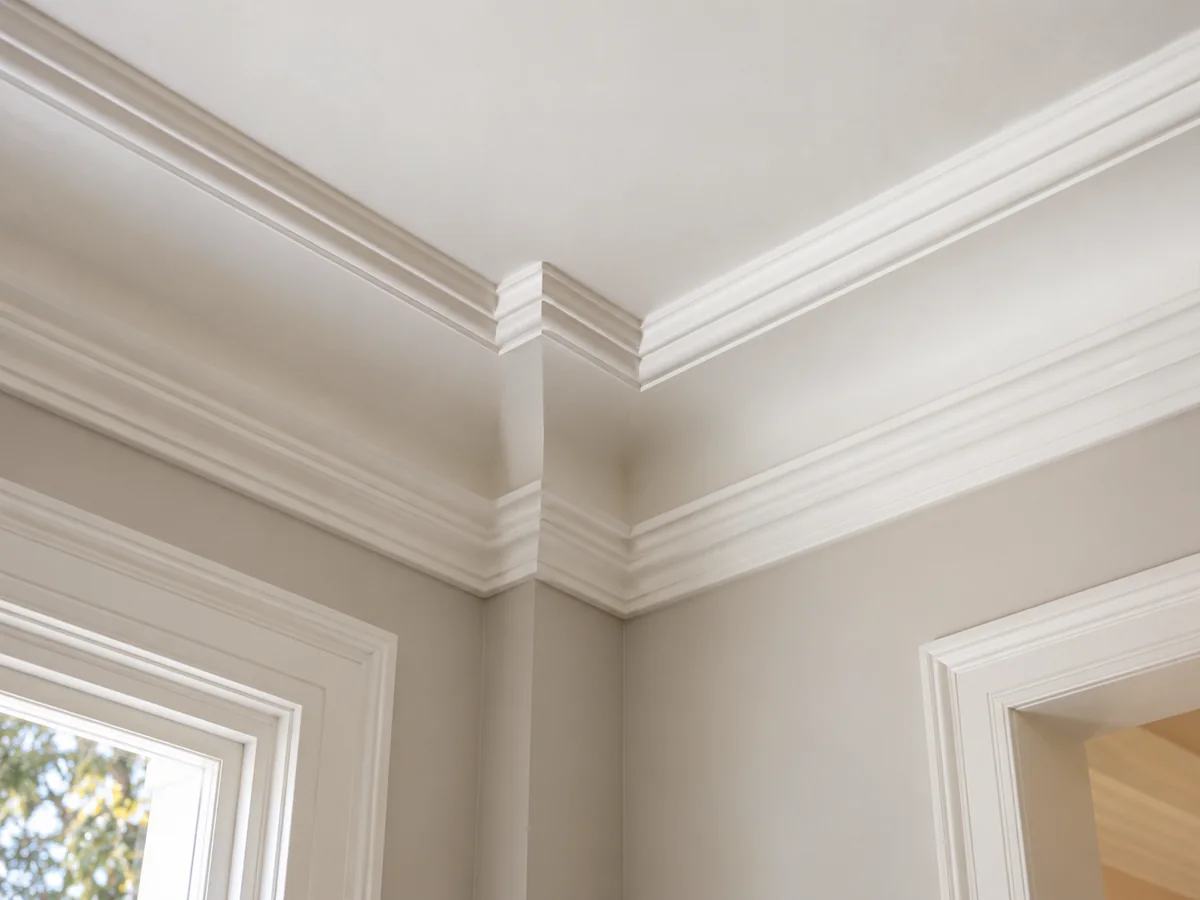
Cornices & decorative plaster details
Wall-to-ceiling cornices, damaged profiles and decorative details that need a considered match.
Read the job guideHamilton East · Plastering enquiries
Plastering for homes in Hamilton East, about 3 km west of Newcastle's city centre, which had 366 occupied homes at the 2021 Census. Call or text for a free quote with your street and the work involved.
Local area photograph: Tudor Street, Hamilton East.
Photo by steven-s; © Grab and KartaView contributors. Source: Tudor Street streetscape in Hamilton East - KartaView frame376280590. Licence: CC BY-SA 4.0. Image resized for this page.
At the 2021 Census, 88% of the 366 occupied homes in Hamilton East were separate houses. Houses like these mostly need crack repairs, ceiling replacement, cornice matching and new plasterboard for extensions and room changes.
Wall-to-ceiling cornices, damaged profiles and decorative details that need a considered match.
Read the job guide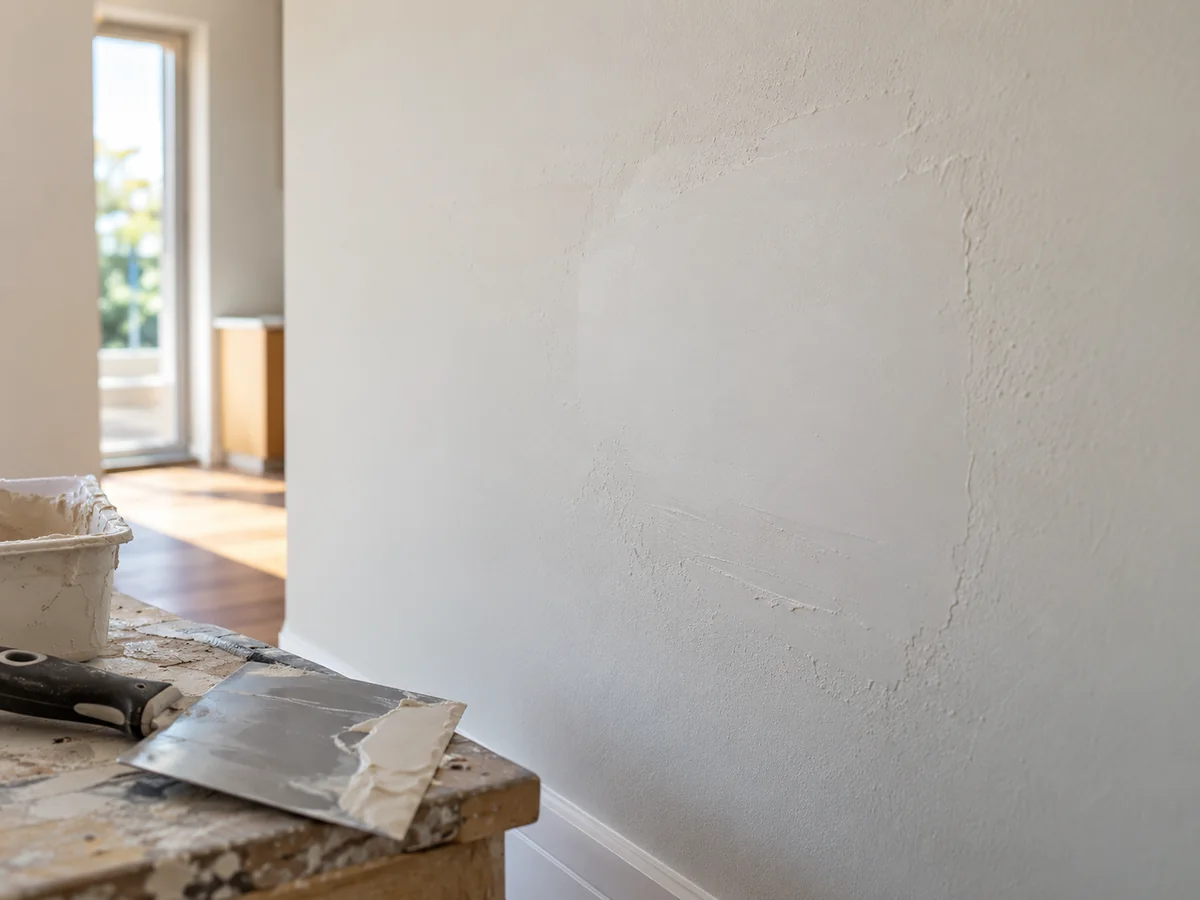
A patch in the wall, a damaged corner or a crack in the ceiling starts with the affected surface.
Read the job guide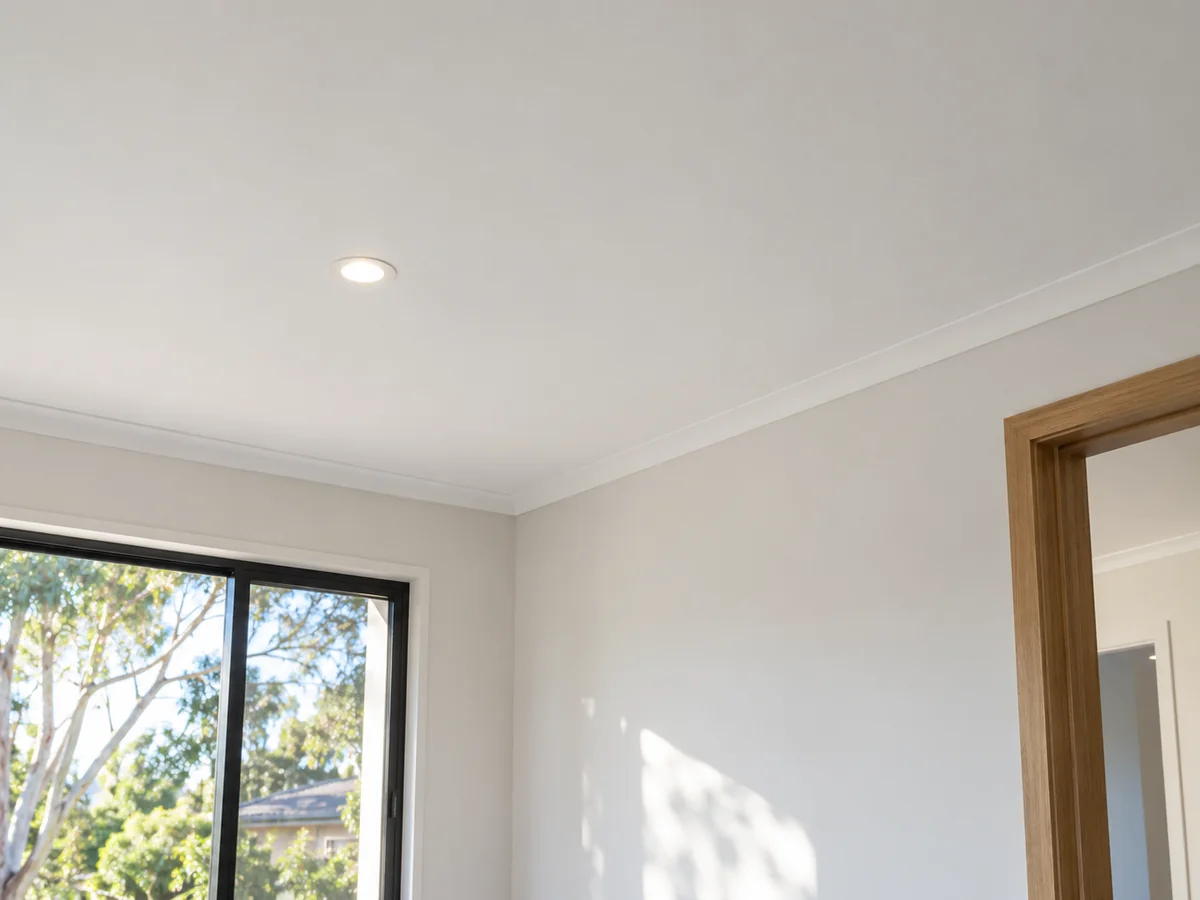
Ceiling linings, replacement sections and the wall-to-ceiling details that finish a room.
Read the job guideHamilton East has a distinct housing profile with 88% of its 366 occupied homes being separate houses. This means most properties here are standalone dwellings with traditional wall and ceiling structures. The 7% figure for semi-detached and townhouse layouts indicates fewer shared walls than in denser areas. This housing mix shapes the plastering work that comes up in the area.
With so many separate houses, most of the work is on a single home's walls rather than a shared structure. Older homes in this area typically have plasterboard ceilings and walls that require regular maintenance. Ceiling replacement comes up more in houses than in flats, because a house carries its own roof and the ceiling under it.
The 5% flat or apartment figure confirms most work focuses on single-family homes. That means leaks from an upstairs unit, common in apartment blocks, are rare here. Our plastering work here aligns with the needs of detached properties rather than shared wall systems.
Many older separate homes in Hamilton East develop ceiling sagging over time. This typically happens when the glue or fixings holding the sheets to the joists let go, or when an older fibrous plaster ceiling pulls away from its battens. The sagging often appears as a dip in the centre of the ceiling, sometimes with visible cracks along the seams.
Replacing these ceilings requires careful attention to the existing structure. We assess whether the sagging is due to moisture damage, structural movement, or simply age-related weakening of the plasterboard. The replacement process involves removing damaged sections and installing new sheets with proper support.
This work is common in the suburb's older home stock. The replacement process needs to match the existing ceiling height and surface to maintain the room's original appearance. We take care to minimise disruption during the installation process for these repairs.
Bedrooms and home studies in local homes benefit from acoustic plasterboard installation. This type of plasterboard helps reduce noise transfer between rooms, particularly important in homes with close neighbours or shared walls. It's commonly used when owners want to create quieter areas for work or relaxation.
The installation process involves replacing standard plasterboard with acoustic-rated sheets. This requires careful taping and finishing to maintain the sound control properties. We ensure the new sheets match the existing ceiling and wall profiles for a neat appearance.
Homeowners often choose this solution when they need better sound separation without major structural changes. It's a practical way to improve living conditions in homes where noise sensitivity matters for daily comfort.
Older separate homes in the suburb sometimes experience water damage from roof leaks or plumbing issues. This damage often appears as discoloured patches on ceilings and walls, with possible softening of the plasterboard. The 88% figure for separate houses means most properties here have their own roof systems, which can develop leaks over time.
Repairing water damage requires careful removal of damaged materials before installing new sheets. We assess the extent of the damage to determine if only a section needs replacing or if larger areas are affected. Moisture can affect the structural integrity of the plasterboard, so we replace affected sections completely.
The repair process includes identifying the source of the leak to prevent future damage. This work is common in the suburb's older homes as roofing systems age and require maintenance.
Preparing a room for plastering requires careful attention to existing surfaces. We recommend clearing the room of furniture and covering remaining items with protective sheets. The existing plasterboard should be clean and free of loose material before any work begins.
For ceiling replacements, we need access to the ceiling space above. This often means removing light fittings and other fixtures temporarily. For wall work, power points and switches need covering, or removing by an electrician if the wall is being relined.
The preparation process helps us work efficiently and minimises disruption. Proper preparation also gives a better final surface, because the new sheets need a sound frame and a flat background behind them.
Tell us about the plastering work you have in mind.
Share your property location and the work involved. We take on work in any suburb within about an hour's drive of Kotara. Beyond that, high-value jobs only, by arrangement.