

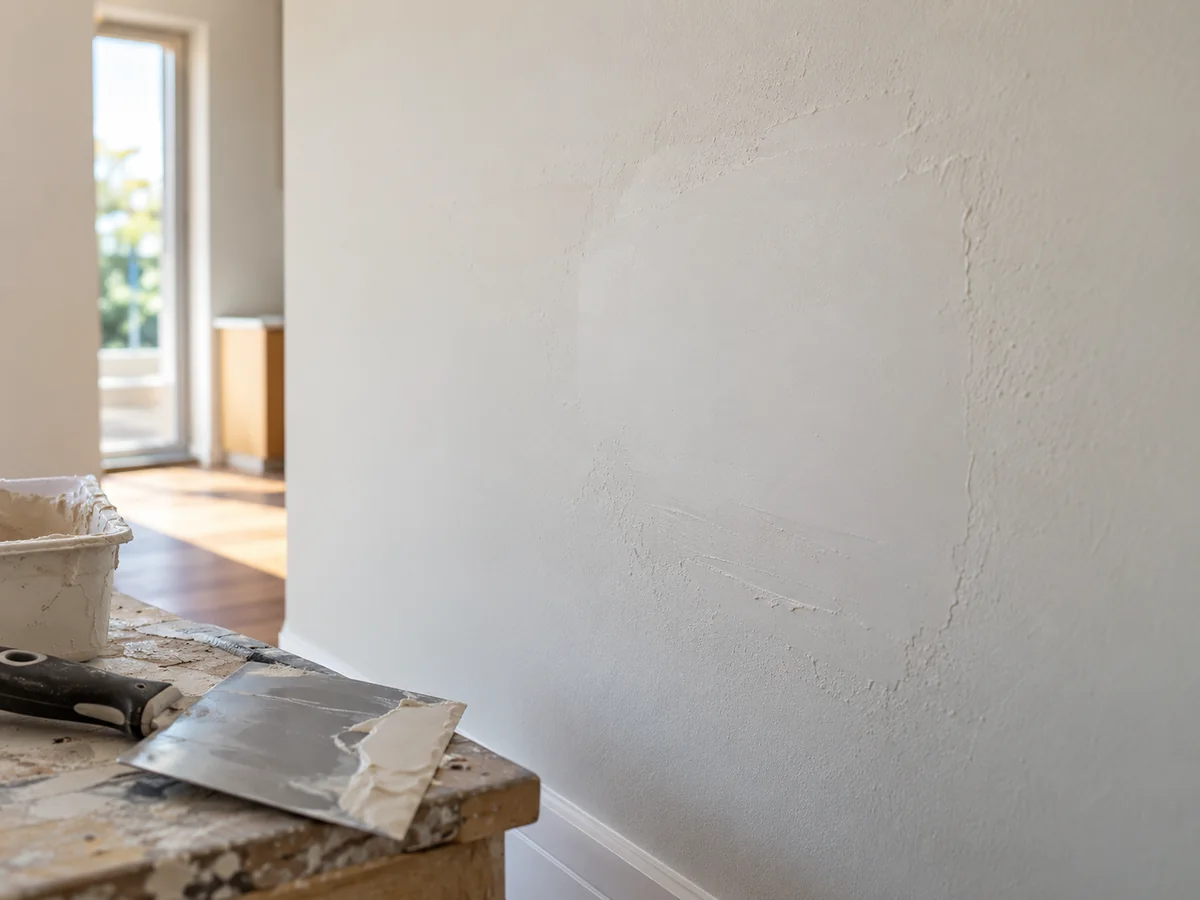
Holes, cracks & plaster repairs
A patch in the wall, a damaged corner or a crack in the ceiling starts with the affected surface.
Read the job guideGlendale · Plastering enquiries
Plastering for homes in Glendale, about 15 km west of Newcastle's city centre, which had 1,269 occupied homes at the 2021 Census. Call or text for a free quote with your street and the work involved.
Local area photograph: Stockland Glendale.
Photo by Orderinchaos. Source: Stockland Glendale south end.jpg. Licence: CC BY 3.0. Image resized for this page.
At the 2021 Census, 87% of the 1,269 occupied homes in Glendale were separate houses. For houses like these the usual work is patching cracks and holes, replacing tired or sagging ceilings, repairing cornices and relining rooms during a renovation.
A patch in the wall, a damaged corner or a crack in the ceiling starts with the affected surface.
Read the job guide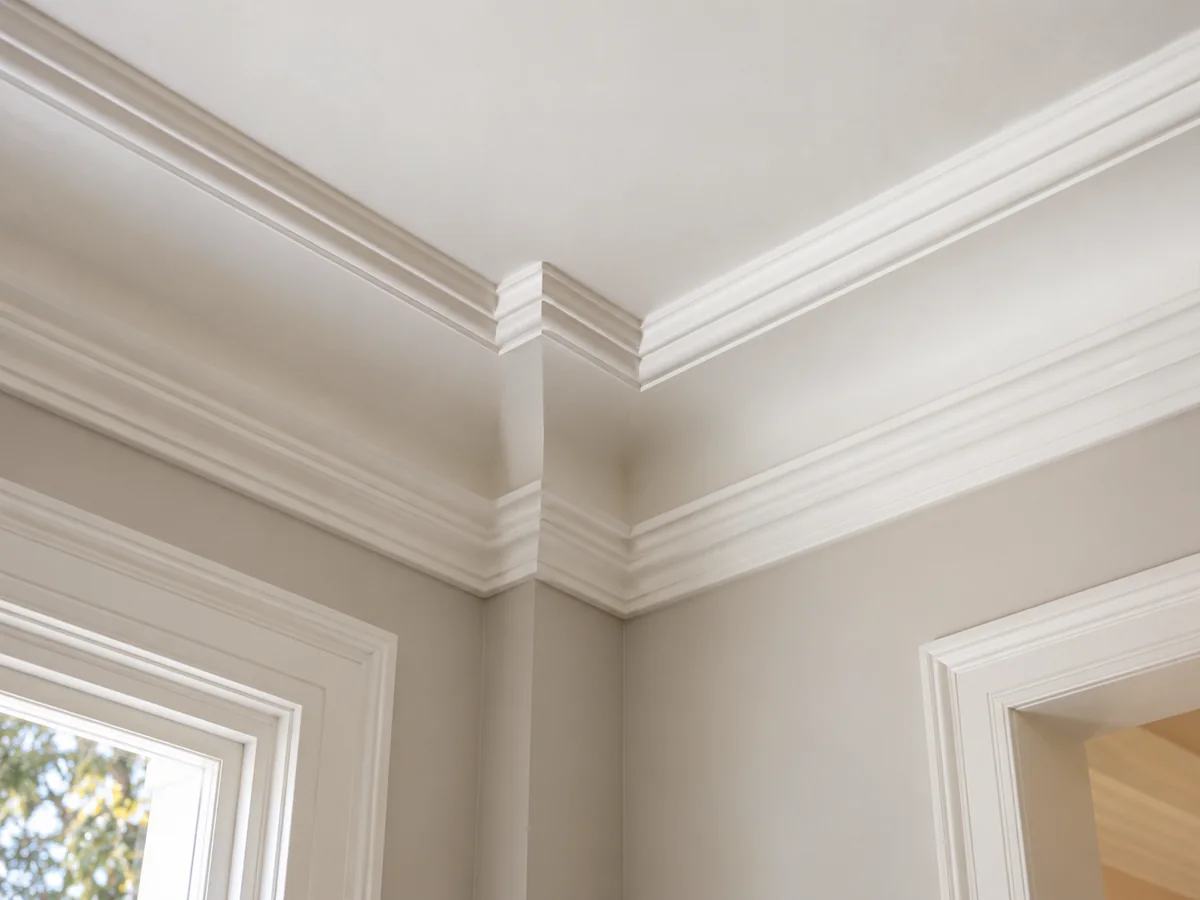
Wall-to-ceiling cornices, damaged profiles and decorative details that need a considered match.
Read the job guide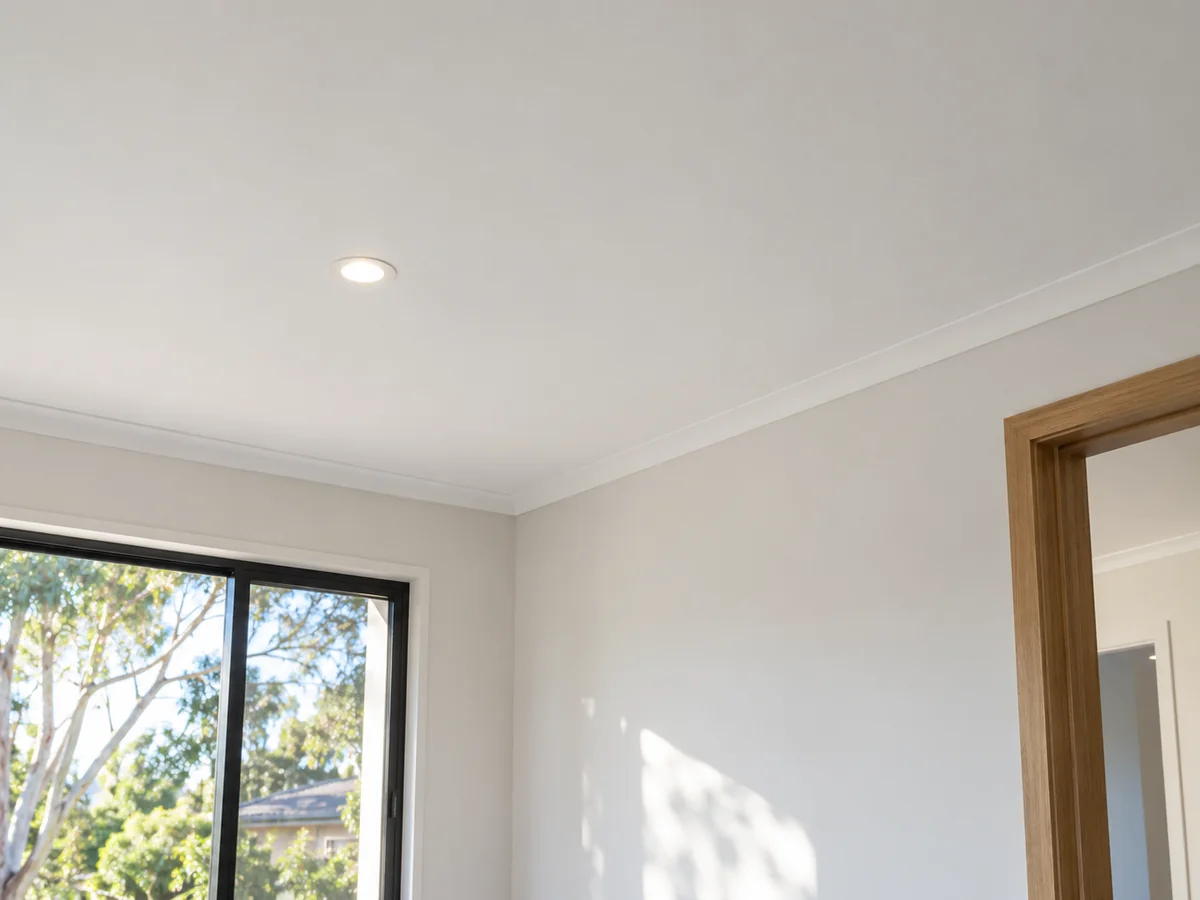
Ceiling linings, replacement sections and the wall-to-ceiling details that finish a room.
Read the job guideGlendale's housing profile shows 87% of homes are separate houses, which often feature older plasterwork systems. These properties commonly have plasterboard linings from previous renovations or original construction. The high proportion of standalone homes means the plastering needs are much the same from one house to the next.
Post-war construction methods used in many Glendale houses create specific challenges for plastering. Older ceilings may have sagged over time, and walls often show settlement cracks from the original building techniques. These patterns are common across the suburb's housing stock.
The 87% separate house mix means plastering work often involves matching original materials and techniques. We focus on maintaining the integrity of existing plasterwork while addressing wear and tear. This approach ensures repairs blend naturally with the home's original construction style.
Understanding this housing pattern helps us prepare for typical work in Glendale properties. We don't need to adjust for apartment-specific issues like shared walls or limited access. Instead, we focus on the common challenges found in standalone homes with older plaster systems.
Many local homes undergo renovations where rooms are updated with new walls and ceilings. During these projects, square set and shadowline edges become important details for finishing the new plasterboard. These edges create clean transitions between new and existing walls.
A square set edge is a clean, straight junction where the wall meets the ceiling with no cornice. A shadowline edge leaves a small recessed gap at that junction instead. Both techniques are standard for maintaining consistent aesthetics during renovations.
When preparing for these finishes, we assess how existing walls meet new constructions. The quality of the edge detail affects the overall appearance once paint or wallpaper is applied. Properly executed edges prevent the need for touch-ups later.
These edge details matter most where a renovation blends modern updates with the home's original features. The right finish ensures the new work looks integrated with the existing home.
Before painting, any holes or cracks in walls or ceilings need proper patching. This step is essential for a smooth finish that lasts. Neglecting this can lead to visible imperfections after paint dries.
Small nail holes or cracks from previous fixtures are common in local homes. Larger cracks might indicate underlying movement in the structure. We assess each damage point to determine the appropriate repair method.
The patching process involves cleaning the damaged area, applying the right filler, and sanding to match the surrounding surface. This prepares the wall for painting without creating visible differences in surface.
For older homes, we pay special attention to the depth and location of cracks. This helps us understand if the damage is superficial or requires deeper attention to the structure beneath the plaster.
Water-damaged ceilings often appear in local homes where older roofs or plumbing may have developed leaks over time. The damage can range from minor stains to complete ceiling failure.
When assessing water damage, we consider the extent and location of the damage. Minor stains may only require patching, while larger sections might need full replacement. The decision affects the approach and materials used.
We match the replacement lining to the original ceiling type to maintain consistency. This means using similar materials and installation methods as the existing ceiling system. It ensures the repair blends with the rest of the ceiling.
Reading the water damage pattern helps confirm the leak has been fixed before new lining goes in. This prevents the same issues from recurring after the repair work is completed.
Acoustic plasterboard is one way to improve sound control inside a house. This is common in rooms where noise from adjacent spaces is a concern.
Acoustic plasterboard is designed to reduce sound transmission through walls and ceilings. It's particularly useful in homes with open layouts or where quiet spaces are needed for study or relaxation.
When installing this material, we fix the sheets tight to the frame and seal the joints and edges. This maintains the acoustic properties and prevents sound leakage through gaps.
This type of lining suits homeowners who want a quieter room without major building work.
Tell us about the plastering work you have in mind.
Share your property location and the work involved. We take on work in any suburb within about an hour's drive of Kotara. Beyond that, high-value jobs only, by arrangement.