


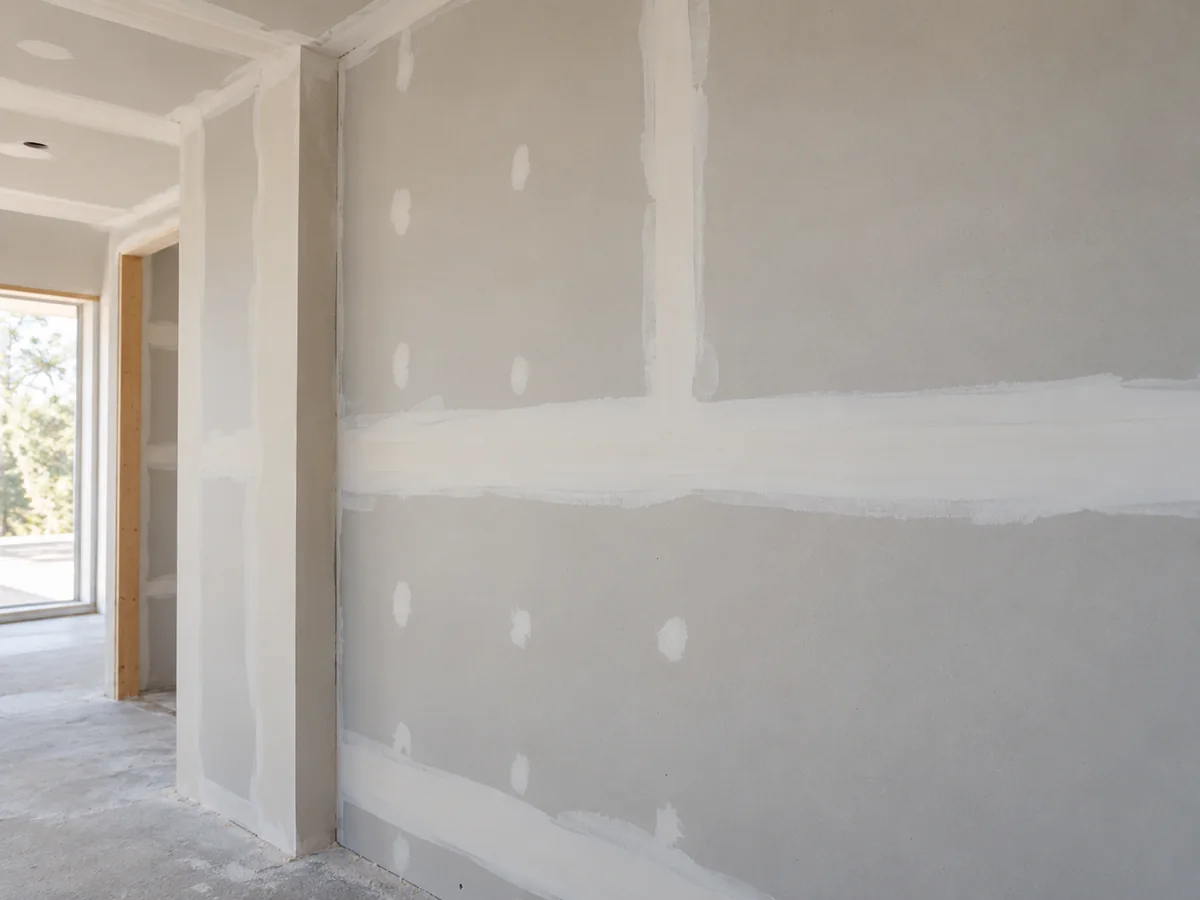
Plasterboard walls & relining
Fresh wall linings for a room, a changed layout or an existing surface that needs replacing.
Read the job guideFern Bay · Plastering enquiries
Plastering for homes in Fern Bay, the southernmost suburb of Port Stephens, which had 1,641 occupied homes at the 2021 Census. Call or text for a free quote with your street and the work involved.
Local area photograph: new subdivision works at Fern Bay.
Photo by AussieLegend. Source: New subdivision works at Fern Bay 01.jpg. Licence: Public domain. Image resized for this page.
Separate houses made up 98% of the 1,641 occupied homes in Fern Bay at the 2021 Census. A large residential development is being built between Nelson Bay Road and Stockton Beach, on land once used as a military weapons range. Newer houses tend to need extension and granny flat linings, square-set or shadowline edges and touch-ups to settlement cracks around doors and windows.
Fresh wall linings for a room, a changed layout or an existing surface that needs replacing.
Read the job guide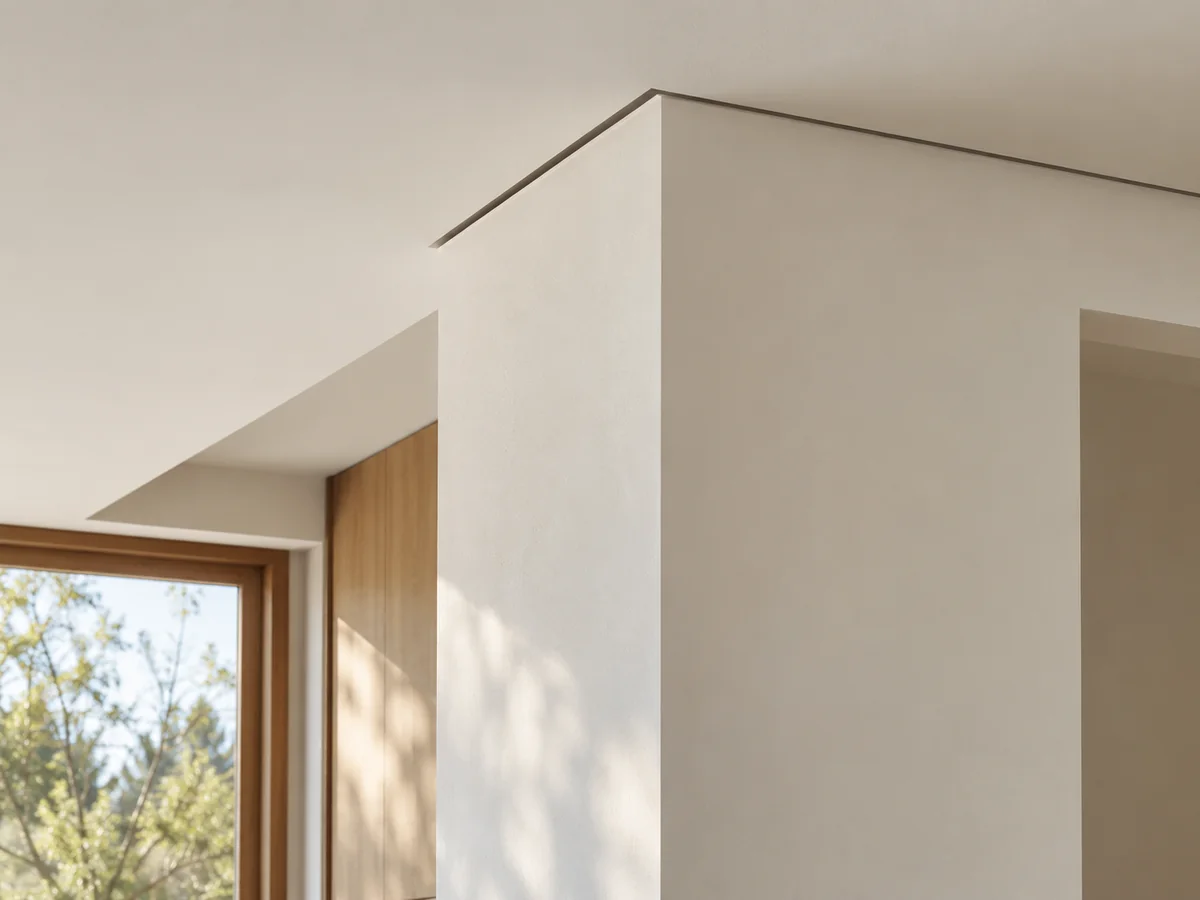
Clean junctions and recessed lines for rooms where the edge detail is part of the design.
Read the job guide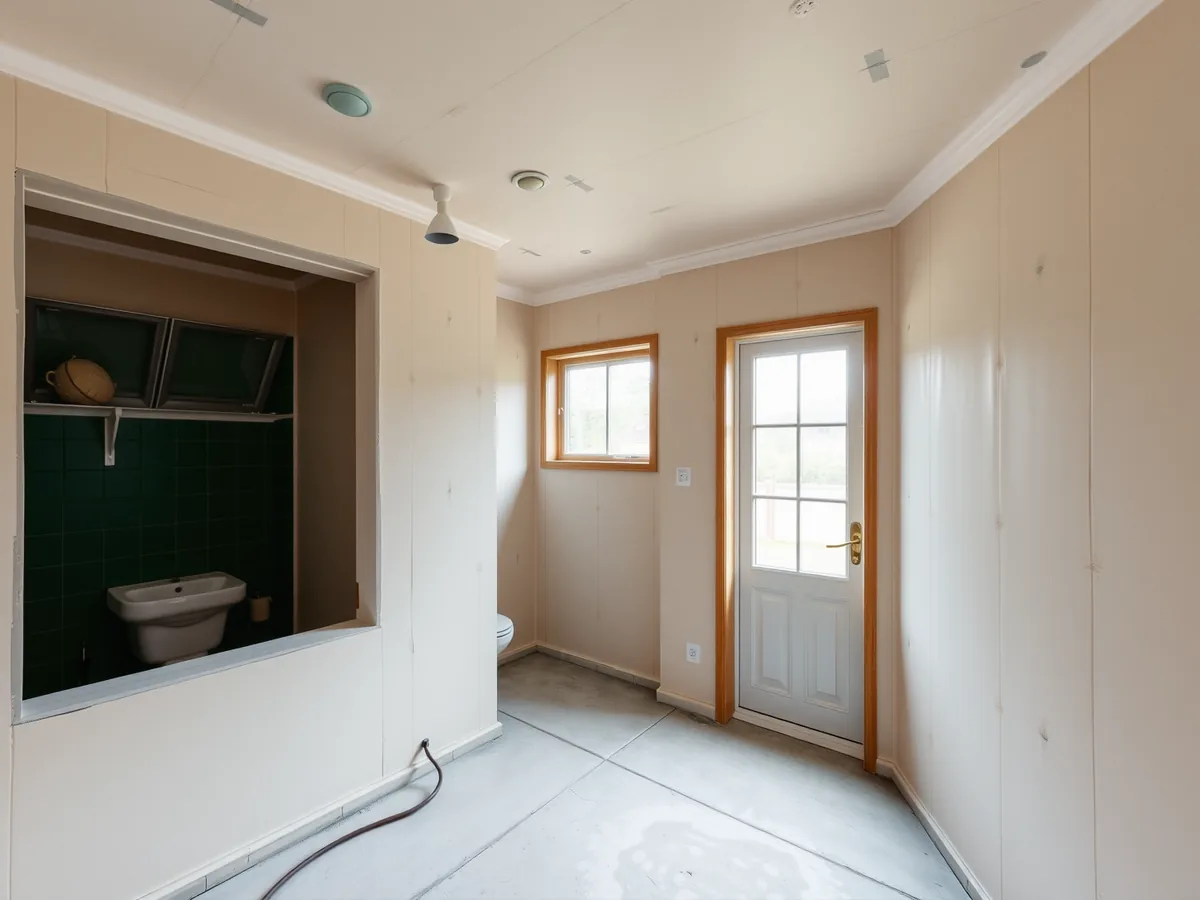
The plastering stage of a secondary dwelling: walls, ceilings, edges and wet-area board.
Read the job guideFern Bay's housing landscape is defined by its 98% separate house composition at the 2021 Census. This means most properties are standalone homes, often built on larger blocks with traditional layouts. The absence of flats or townhouses reduces the need for shared wall repairs, but creates specific demands for individual home maintenance.
Newer developments in the area, built on former military land, feature modern designs that require precise edge work. Older homes, meanwhile, show signs of settlement through cracks around windows and doors. Both patterns shape the type of plastering work a home like this is likely to need.
The 1,641 occupied homes in Fern Bay mean a high concentration of single-family properties. Work in a suburb like this is mostly inside one house at a time, without the complications of multi-unit buildings.
This housing mix influences our approach to every job, from small patch repairs to full wall relining. Understanding the local housing patterns helps us prepare effectively for each project.
Newer homes in the suburb often include extensions and granny flats that require square set edges. This detail creates clean, defined lines where walls meet ceilings or other surfaces. It's a common feature in modern home designs.
Achieving these edges demands careful measurement and precise application. The process involves creating a straight, even line without visible gaps or unevenness. It's not just about appearance but ensuring the line stays true over time.
We focus on maintaining the original detail when updating these edges. The work requires attention to how the design integrates with existing architecture. This is particularly important in homes where the extension matches the original build style.
Square set edges in newer homes reflect the area's growing residential development. They're a standard requirement for any modern construction or renovation.
Settlement cracks around windows and doors are a common feature in local homes. These appear as fine lines or gaps in the plaster near openings as the structure adjusts to its foundations. The cracks can widen over time without proper attention.
They often occur in older properties as materials age and the home settles further. Newer homes can also develop similar cracks during the initial settling period after construction.
Addressing these cracks requires more than just filling the gap. It involves preparing the area properly to prevent recurrence. The repair must bond well with the existing surface to avoid future issues.
We assess the crack's pattern and depth before applying any fix. This ensures the repair integrates with the surrounding plaster without drawing attention.
Older separate homes in the suburb often need specific preparation before plastering work begins. The walls may have uneven surfaces from previous renovations or natural wear. This requires careful assessment before any new plaster is applied.
We examine the existing plaster for stability before deciding on the approach. Sometimes surface adjustments are needed to create a smooth base for the new work. This step is crucial for long-lasting results.
The preparation process includes checking for water damage or structural issues that might affect the new plaster. Skipping this step is the usual reason a new surface cracks or lifts later.
Understanding the home's age and previous work helps us choose the right method for each job. This careful approach prevents further damage during the plastering process.
Water damage in older home ceilings is a common issue in the suburb. It often appears as discolouration or soft spots, indicating past leaks from roofs or plumbing. Left alone, the damp can soften the board until the ceiling sags.
Identifying the source of the damage is important before any repair work. The pattern of discolouration can help determine the cause, whether it's from roof leaks, plumbing issues, or condensation.
Repaired ceilings must match the original finish and appearance as closely as possible. This requires attention to detail in both the application and finishing stages.
We assess the extent of the damage before deciding on the repair method. This ensures the ceiling looks uniform without drawing attention to the repair work.
Tell us about the plastering work you have in mind.
Share your property location and the work involved. We take on work in any suburb within about an hour's drive of Kotara. Beyond that, high-value jobs only, by arrangement.