

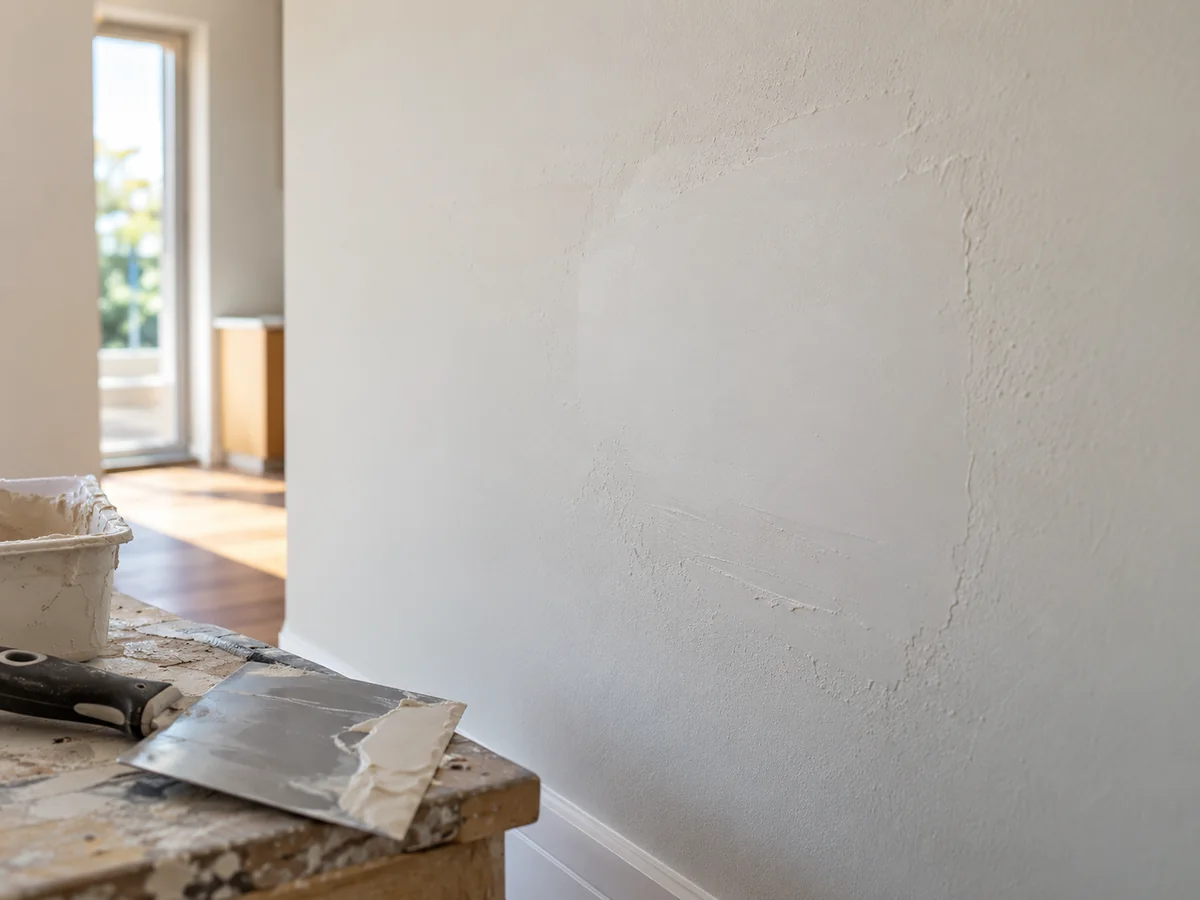
Holes, cracks & plaster repairs
A patch in the wall, a damaged corner or a crack in the ceiling starts with the affected surface.
Read the job guideFennell Bay · Plastering enquiries
Plastering for homes in Fennell Bay, north of Toronto on the north-western shore of Lake Macquarie, which had 698 occupied homes at the 2021 Census. Call or text for a free quote with your street and the work involved.
Photo: Lake Macquarie.
Photo by Tim Starling. Source: Lake Macquarie aerial 1.jpg. Licence: CC BY 2.0. Image resized for this page.
At the 2021 Census, 88% of the 698 occupied homes in Fennell Bay were separate houses. For houses like these the usual work is patching cracks and holes, replacing tired or sagging ceilings, repairing cornices and relining rooms during a renovation.
A patch in the wall, a damaged corner or a crack in the ceiling starts with the affected surface.
Read the job guide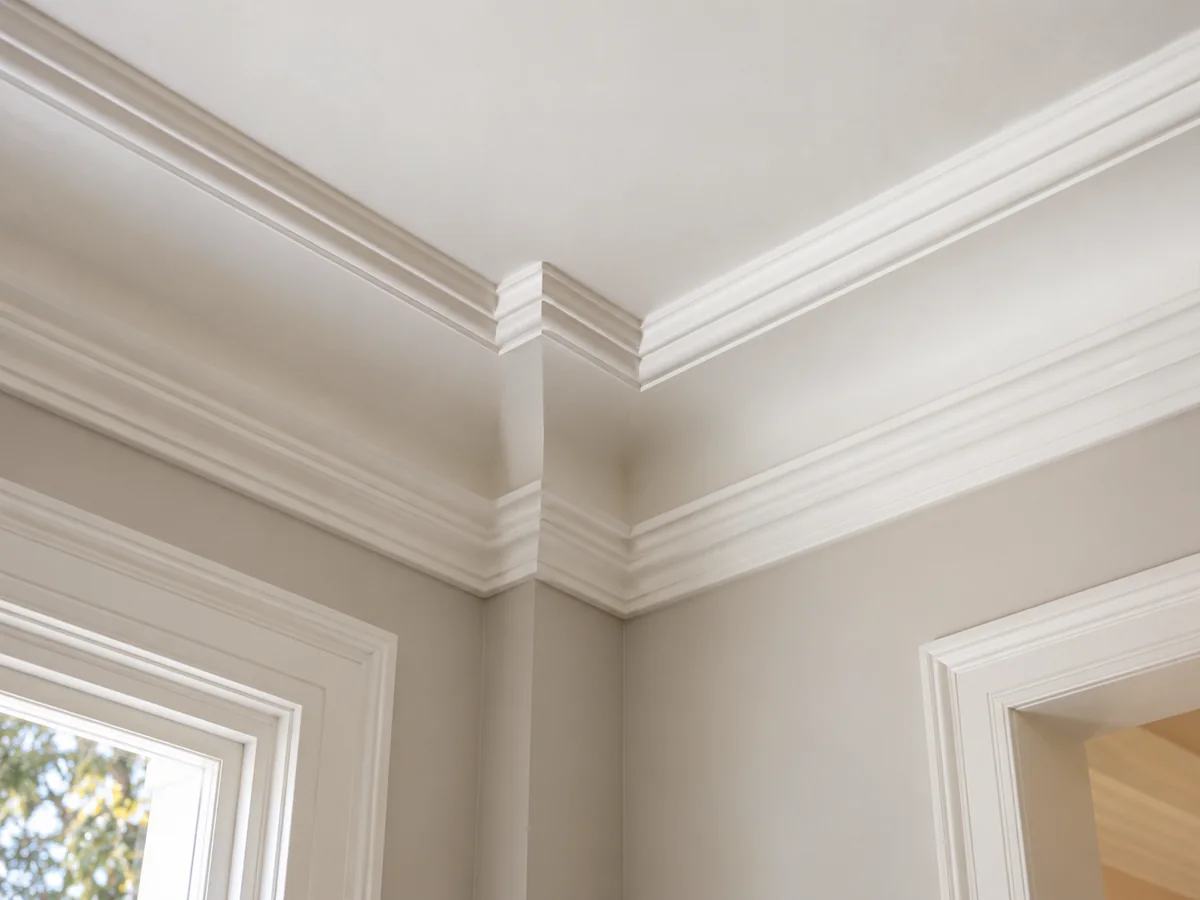
Wall-to-ceiling cornices, damaged profiles and decorative details that need a considered match.
Read the job guide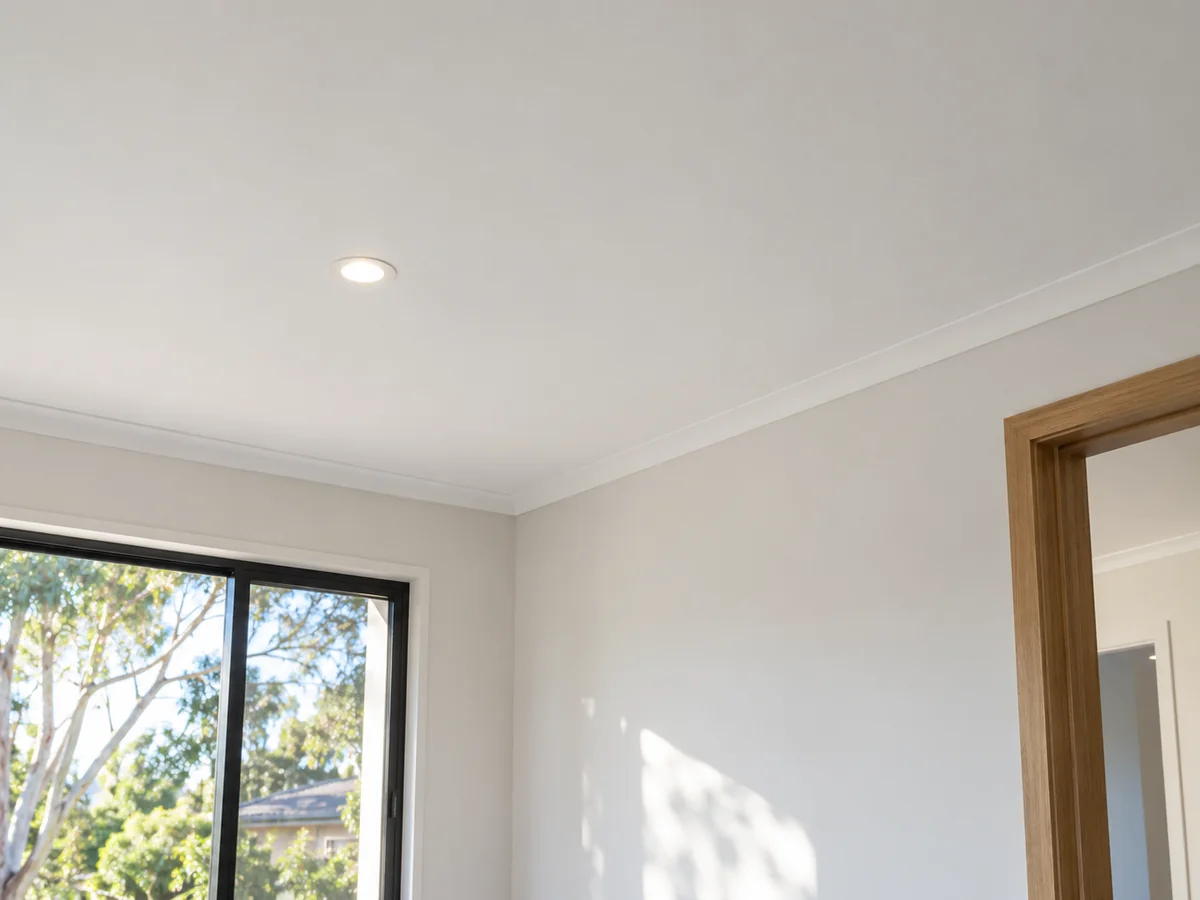
Ceiling linings, replacement sections and the wall-to-ceiling details that finish a room.
Read the job guideFennell Bay's housing landscape is dominated by separate houses, making up 88% of the 698 occupied homes recorded in 2021. These homes often feature older construction methods that affect how plaster work is approached. The age of many properties means plastering demands focus on preserving original features while addressing wear and tear.
The prevalence of standalone homes means plastering work typically involves interior renovations rather than shared wall systems. Older homes in Fennell Bay often have unique architectural details that require careful matching during repairs. This affects how we approach jobs like cornice matching and ceiling relining in these properties.
When planning plastering work for local homes, it's important to consider the structure's age. Older plaster systems may require different techniques than modern builds. The 88% figure helps explain why our approach prioritises preservation and careful matching in this area's housing stock.
Kitchen renovations in local homes often require careful preparation of walls and ceilings before new finishes are applied. Removing old cabinetry and appliances can leave behind damage that needs addressing before plastering. This includes patching holes from previous installations and ensuring surfaces are smooth for new linings.
After a kitchen update, surfaces often need more than simple patching. Cracks may have developed around new fixtures or plumbing. The walls require thorough preparation to create a solid base for new plasterwork. A sound base is what stops the new finish cracking at the same spots.
Proper preparation includes checking for moisture damage that might have developed behind new cabinetry. This is common in older properties where plumbing lines run through walls. Addressing this before plastering prevents future problems with mould or further damage.
Many local homes feature living areas that benefit from sound control solutions. Bedrooms, home study areas, and media rooms often require noise reduction to minimise transfer between rooms. This is especially important in older homes where walls may not have been designed with modern sound control in mind.
Sound control solutions provide a practical approach for reducing noise without major structural changes. It's particularly useful for homeowners wanting to create quieter living spaces within existing home layouts. The material integrates well with standard plastering techniques used in the area.
Installing sound control solutions requires careful attention to joint details to maintain effectiveness. The finish must be smooth and properly sealed to achieve the desired noise reduction. This work fits naturally into renovation projects where homeowners want to improve comfort without altering room layouts.
Older homes in the suburb often experience ceiling issues that require attention. Sagging ceilings, water damage from roof leaks, and wear from post-war use are common problems. These issues need careful assessment before any repair work begins.
The ceiling structure in older properties may require different approaches than newer builds. Supporting damaged sections properly is essential to prevent further sagging or collapse. This often means new battens or fixings before the new plaster or linings go up.
Water stains from past roof leaks are a frequent issue in these older homes. Addressing the source of the leak is crucial before any ceiling repairs. The repair process must account for both the visible damage and the underlying cause to prevent recurrence.
Removing wall fixtures like shelves or heavy mirrors leaves behind holes that need proper repair. In local homes, these holes often require more than simple filling. The repair must match the existing plaster surface and colour to maintain the home's appearance.
Older homes may have walls with unique finishes that require specific repair techniques. The patching process must consider the age and type of plaster used originally. This affects how we approach repairs to ensure a neat finish.
After removing fixtures, the surrounding area must be checked for hidden damage. Sometimes the wall behind the fixture has been compromised. Proper preparation is what lets the repair blend into the existing surface.
When updating plumbing or wiring in local homes, plastering is often required to restore walls to their original appearance. These updates can leave holes and gaps that need proper filling and finishing. The work involves careful matching of the existing plaster surface.
The location of updates affects how plastering is approached. In older properties, the walls may require different techniques than modern builds. This is especially true when working around existing plumbing or electrical systems.
The aim after these updates is a wall that does not show where the work was done. It's a crucial step in maintaining the home's integrity and appearance after necessary renovations.
Tell us about the plastering work you have in mind.
Share your property location and the work involved. We take on work in any suburb within about an hour's drive of Kotara. Beyond that, high-value jobs only, by arrangement.