

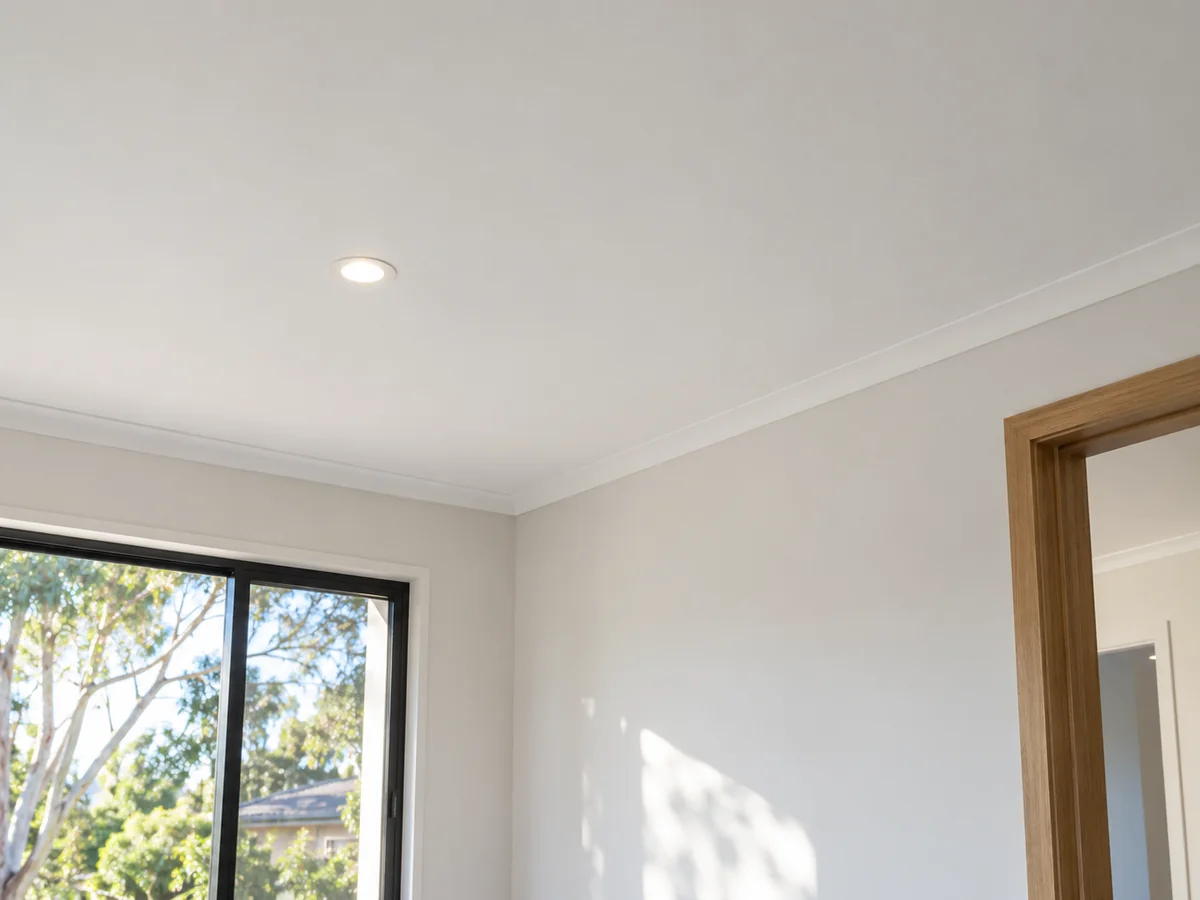
Ceiling installation & replacement
Ceiling linings, replacement sections and the wall-to-ceiling details that finish a room.
Read the job guideCessnock · Plastering enquiries
Plastering for homes in Cessnock, about 52 km by road west of Newcastle, which had 5,643 occupied homes at the 2021 Census. Call or text for a free quote with your street and the work involved.
Local area photograph: Crown Plaza, Cessnock.
Photo by LeoJingZhang. Source: Crown Plaza in Cessnock - panoramio.jpg. Licence: CC BY-SA 3.0. Image resized for this page.
At the 2021 Census, 84% of the 5,643 occupied homes in Cessnock were separate houses, 13% were semi-detached houses, terraces or townhouses and 2% were flats or apartments. That mix brings a spread of work: repairs, ceilings and renovations in the houses, and patching and sound-control linings in the townhouses and units.
Ceiling linings, replacement sections and the wall-to-ceiling details that finish a room.
Read the job guide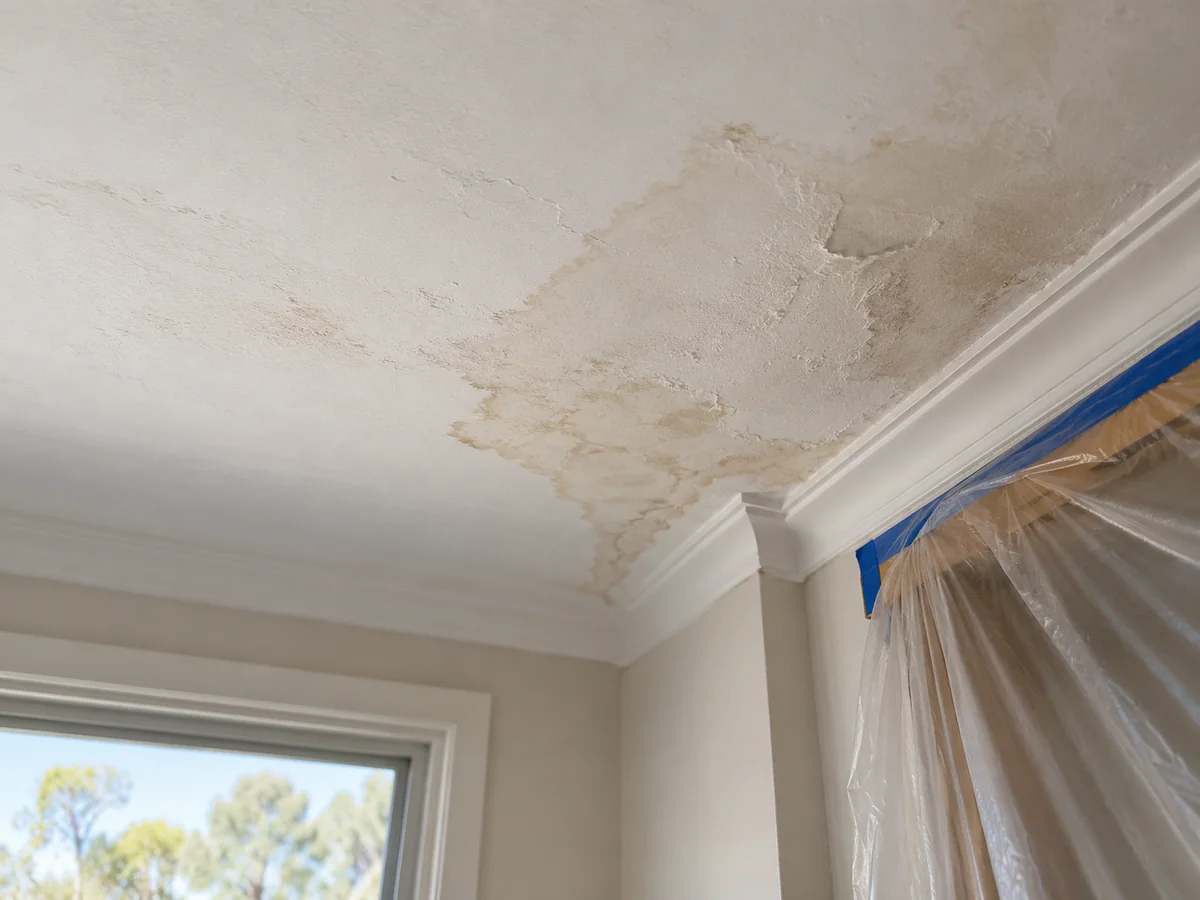
Discuss stained or damaged wall and ceiling plaster once the source of moisture is understood.
Read the job guide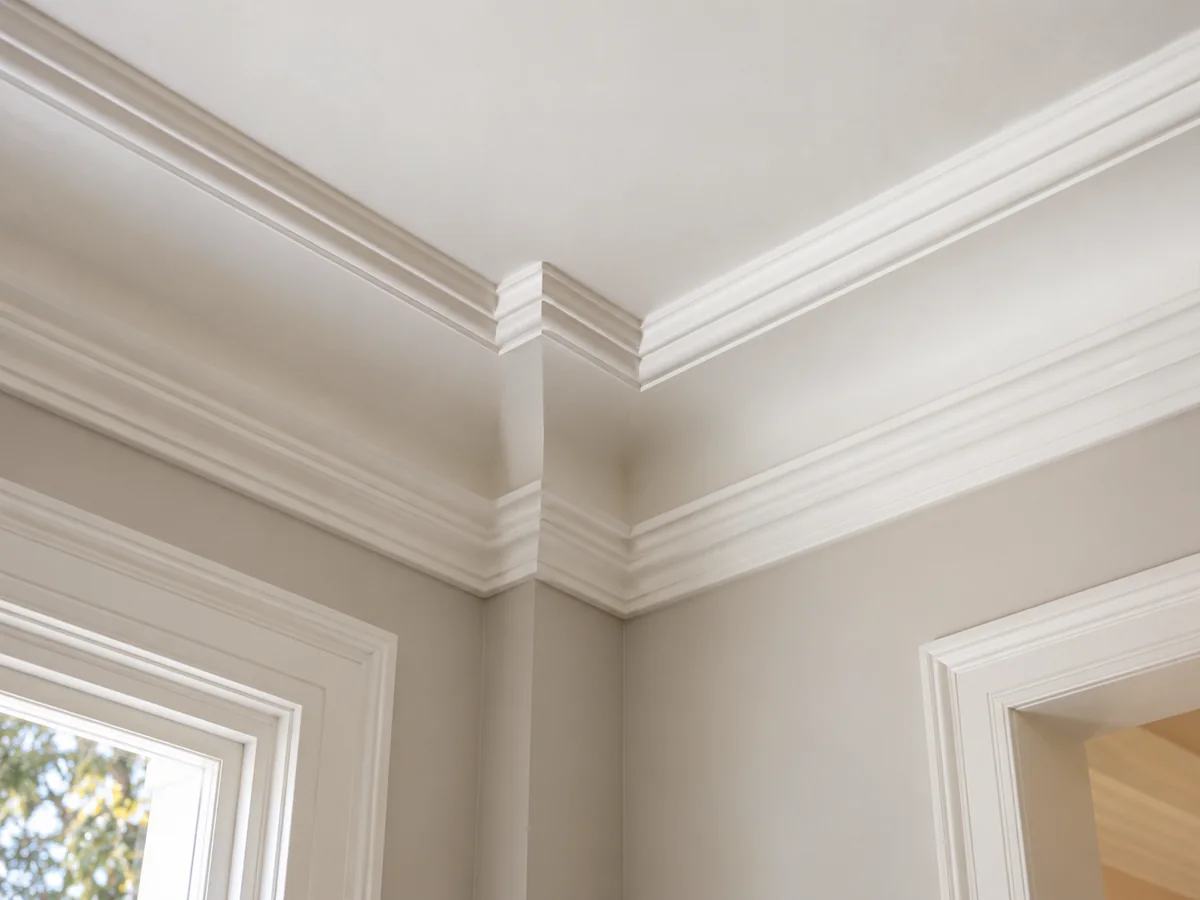
Wall-to-ceiling cornices, damaged profiles and decorative details that need a considered match.
Read the job guideCessnock's housing mix, as recorded in the 2021 Census, shows 84% separate houses, 13% semi-detached or townhouses, and 2% flats. This variety affects how plastering work is approached in the suburb. Separate houses often require more full-wall treatments, while townhouses need attention to shared walls and ceilings.
The high proportion of separate houses means many homes have older plastering systems that require careful patching or relining. Townhouses, with their shared structures, often need specific attention to cracks and movement where walls meet. These patterns help us plan work to match the property type.
Separate houses tend to call for more ceiling and wall work because of their layout. Townhouses require more focus on joints and sound control. The mix guides how we prepare for each job, ensuring the plastering matches the home's structure and age.
Townhouses in Cessnock often have defined edges where walls meet ceilings. These edges need careful finishing to ensure a clean look after updates. When adding new plasterboard or making repairs, the defined edges must align with the existing structure.
We prepare the area by checking the existing edges for any movement or damage. This ensures the new work matches the old and avoids visible gaps. Defined edges are common in townhouses built with modern materials.
Correctly setting these edges requires attention to detail. It reduces the chance of cracks at the edge and keeps the room looking neat. This is especially important in townhouse renovations where the layout is fixed.
In the suburb's townhouses and semi-detached homes, cracks often appear along shared walls and ceiling joints. These cracks are usually due to movement in the structure over time. They need attention to prevent further damage.
We assess the crack patterns to determine if they are from movement or moisture. This helps in planning a repair that suits the cause. Shared walls often need special patching to match the existing plaster.
Addressing these cracks early avoids bigger issues later. It's a common need in the suburb's attached homes, where the housing mix means many older properties are being updated.
Older homes in the suburb, especially the separate houses, often face moisture issues that affect plaster. These can come from roof leaks or plumbing in upper levels. The moisture damages plaster and can lead to larger problems if not addressed.
We focus on identifying the moisture source before starting any repair. Otherwise the new plaster can fail the same way. Older homes often need more care with ceilings and walls where moisture is common.
Many of these homes are older, so we adjust our approach to match their age. This is what a repair on an older home needs to take into account.
When relining walls or ceilings in local homes, preparation is key. We check the existing plaster for any damage or unevenness that could affect the new lining. This step ensures the plasterboard sits properly.
The mix of housing types means conditions differ from one home to the next. Separate houses might need a closer look at old ceilings, while townhouses require attention to shared walls. Each home's layout influences how we prepare.
We take photos of the area to help plan the work. This helps in matching the existing style and ensuring the relining fits the home's layout. It's a standard step in our process for mixed housing environments.
Tell us about the plastering work you have in mind.
Share your property location and the work involved. We take on work in any suburb within about an hour's drive of Kotara. Beyond that, high-value jobs only, by arrangement.