

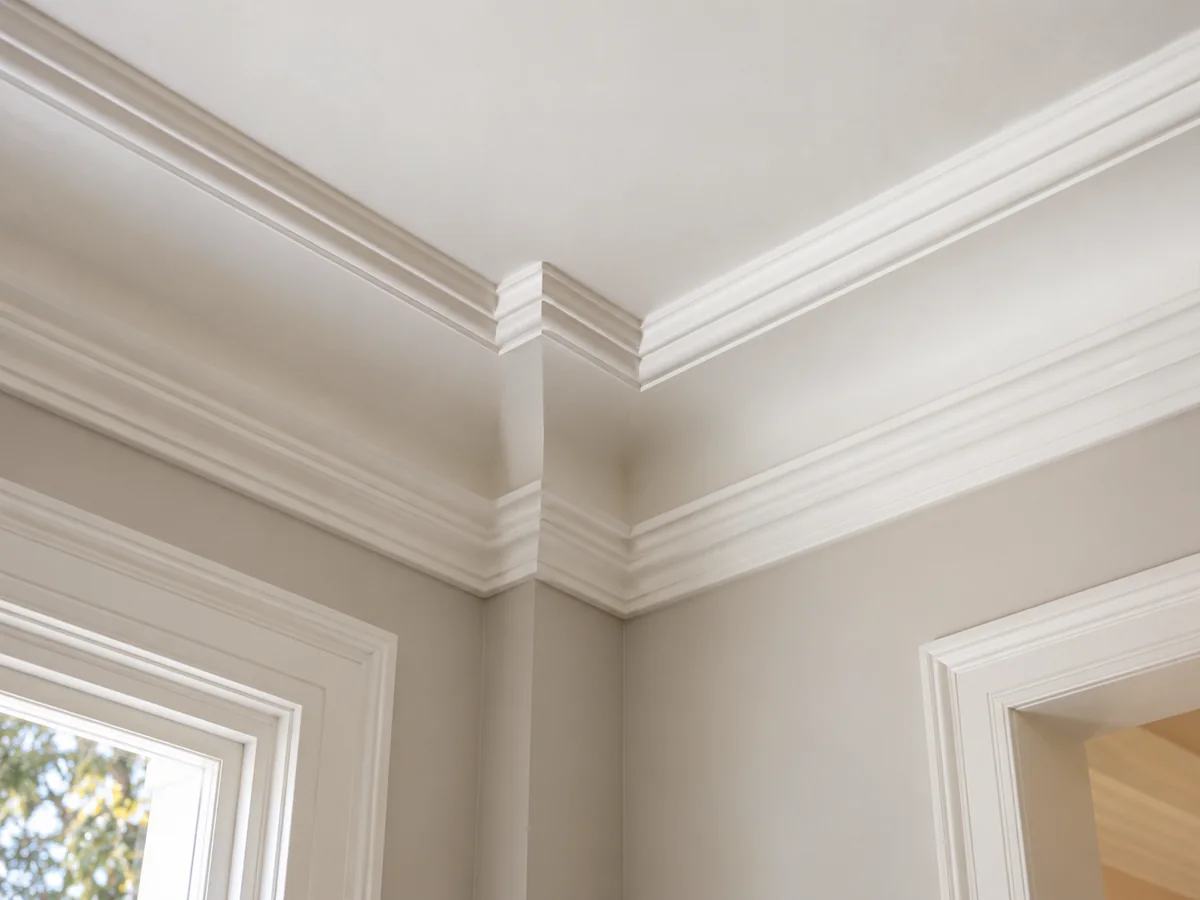
Cornices & decorative plaster details
Wall-to-ceiling cornices, damaged profiles and decorative details that need a considered match.
Read the job guideCarrington · Plastering enquiries
Plastering for homes in Carrington, in Newcastle, named after Lord Carrington, which had 856 occupied homes at the 2021 Census. Call or text for a free quote with your street and the work involved.
Local area photograph: Carrington foreshore on Newcastle Harbour.
Photo by Rob Freijs. Source: Carrington Foreshore. Licence: CC BY-SA 3.0. Image resized for this page.
At the 2021 Census, 62% of the 856 occupied homes in Carrington were separate houses, 30% were semi-detached houses, terraces or townhouses and 8% were flats or apartments. That mix brings a spread of work: repairs, ceilings and renovations in the houses, and patching and sound-control linings in the townhouses and units.
Wall-to-ceiling cornices, damaged profiles and decorative details that need a considered match.
Read the job guide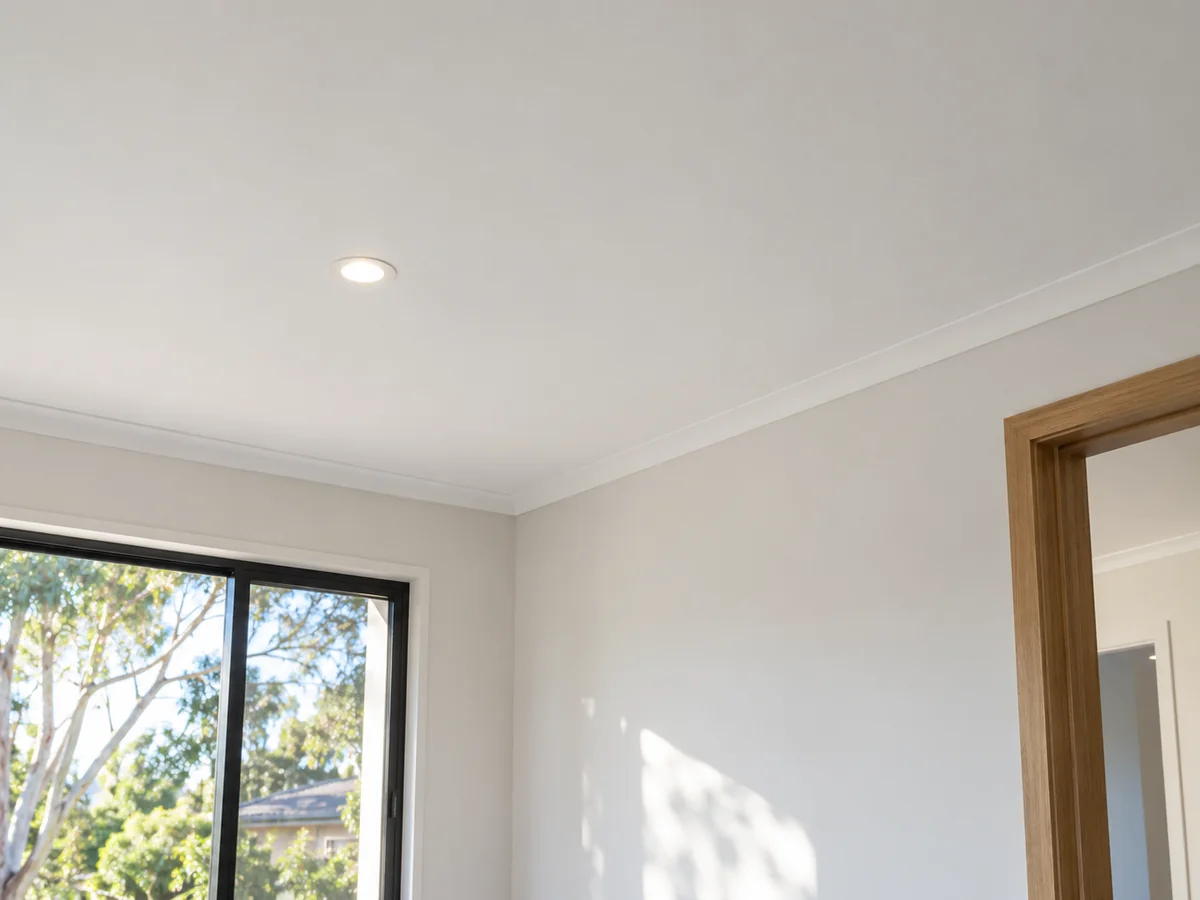
Ceiling linings, replacement sections and the wall-to-ceiling details that finish a room.
Read the job guide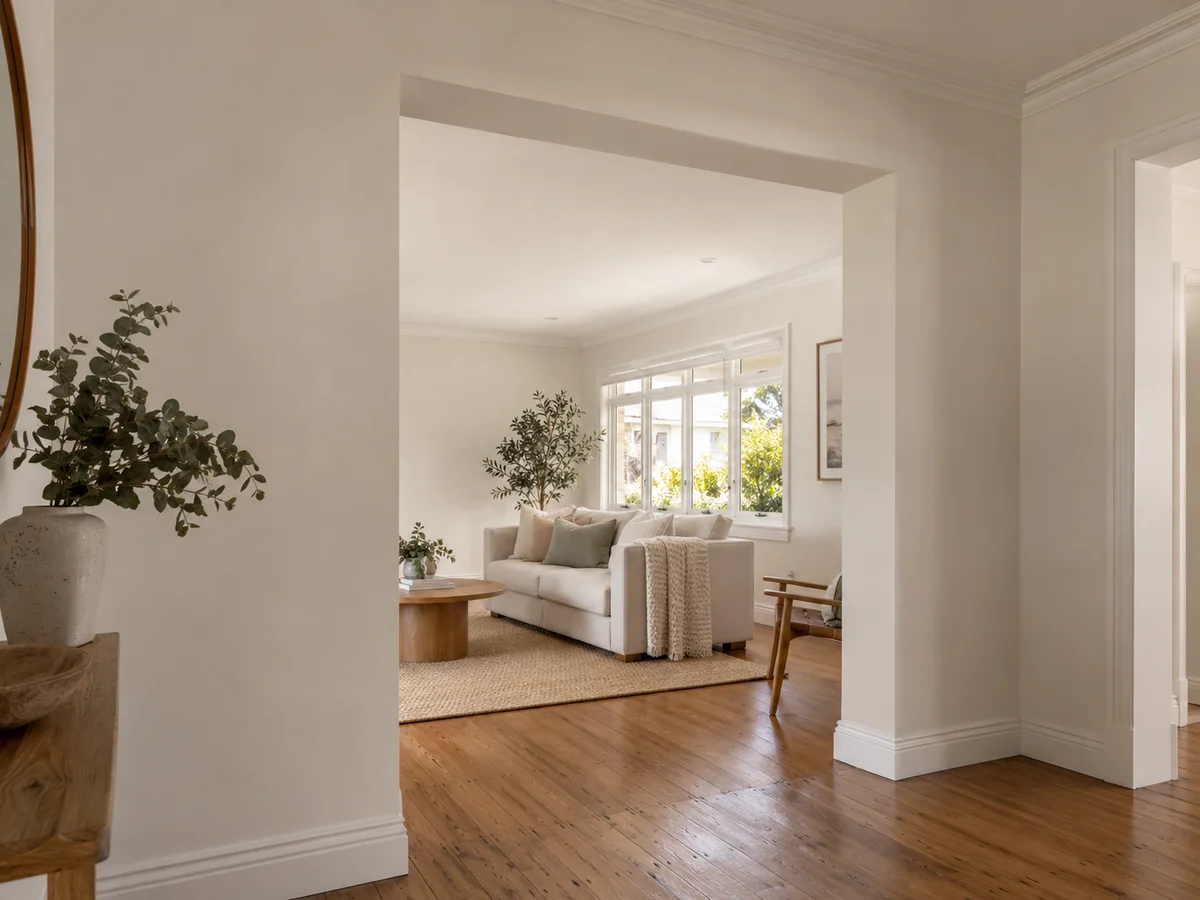
Plan the plastering alongside the other work in your renovation, extension or new space.
Read the job guideCarrington's housing mix includes many older separate houses, where ceilings often show signs of ageing. Cracks and sagging can occur as materials settle over time. We focus on restoring these ceilings to match the original structure without creating new issues.
Older homes in Carrington may have fibrous plaster or lath-and-plaster ceilings rather than plasterboard, which affects how repairs are done. Water damage from roof leaks is common in these properties, leading to stained or weakened ceilings. Careful assessment is needed before any work begins.
The 62% of separate houses in Carrington means many homes require attention to ceiling integrity. A ceiling repair done in a hurry tends to show, so we do not rush it. Our approach respects the age and structure of each home without unnecessary disruption.
Semi-detached homes in the suburb make up 30% of the housing mix. These properties often experience moisture issues where walls meet shared structures. Condensation from daily use can lead to damp patches and plaster damage over time.
We look at where the moisture is getting in and what it has done to the plaster. This involves checking for gaps where water might enter and planning repairs to prevent further damage. The process requires understanding the shared nature of these walls.
The challenge is balancing repairs with the need to protect the shared wall structure. We work carefully so the lining on your side does not disturb the fire-rated separation between the two homes. This approach suits the suburb's semi-detached properties well.
The suburb's housing diversity means plastering work varies greatly between homes. Separate houses, semi-detached, and townhouses each present different needs. Understanding the layout helps us plan the most effective approach for each property.
For example, a semi-detached home might need different repairs than a separate house. The same applies to townhouses with shared walls. Our planning considers these differences to deliver results that fit the home's specific structure.
This diversity requires flexibility in how we approach each job. We avoid generic solutions and focus on the unique aspects of each home. This ensures that the plastering meets the needs of the suburb's varied housing types.
Older homes in the suburb often have walls with marks from past fixtures. Removing items like shelves or picture rails leaves holes that need proper patching. These holes can grow if not addressed correctly, leading to bigger issues.
In a separate house those changes are up to the owner, so the holes come up often. Patching these areas requires attention to detail to avoid creating uneven surfaces. We focus on blending repairs neatly with the existing wall.
This work is a common need across the suburb's housing mix. It's part of maintaining the home's interior without extensive disruption. The focus is on making the repairs look natural and secure.
With 30% of local homes being semi-detached or townhouses, sound control becomes important. Shared walls can carry noise from one side to the other. This is especially noticeable in homes where living spaces are close together.
We use specific plasterboard types to help reduce noise between rooms. These materials help create a quieter environment without altering the home's layout. The solution is practical for the suburb's townhouse community.
The focus is on using the right materials for the situation. This approach supports the needs of homeowners looking to improve their living environment. It comes up often in townhouses.
Tell us about the plastering work you have in mind.
Share your property location and the work involved. We take on work in any suburb within about an hour's drive of Kotara. Beyond that, high-value jobs only, by arrangement.