

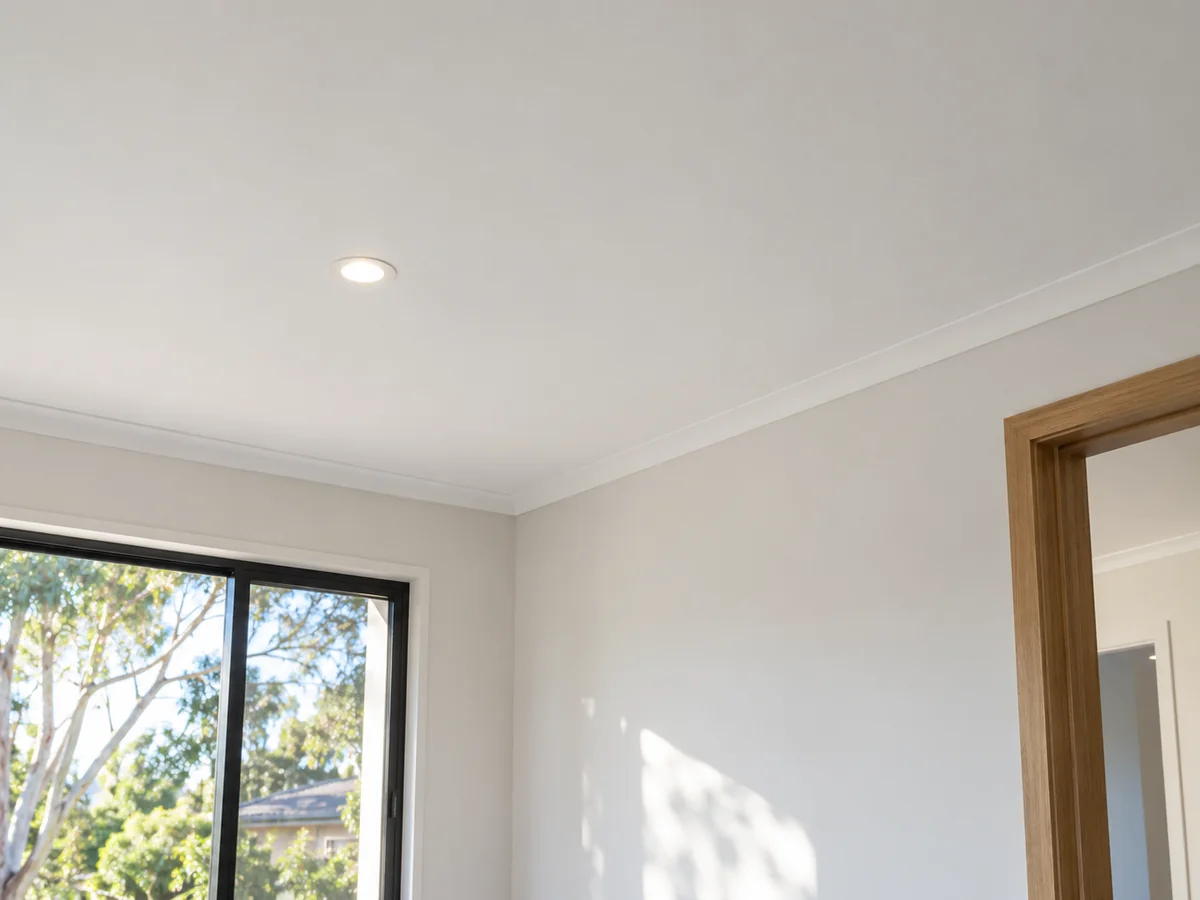
Ceiling installation & replacement
Ceiling linings, replacement sections and the wall-to-ceiling details that finish a room.
Read the job guideCarey Bay · Plastering enquiries
Plastering for homes in Carey Bay, on a peninsula south-east of Toronto on the western side of Lake Macquarie, which had 387 occupied homes at the 2021 Census. Call or text for a free quote with your street and the work involved.
Photo: Lake Macquarie.
Photo by Tim Starling. Source: Lake Macquarie aerial 1.jpg. Licence: CC BY 2.0. Image resized for this page.
At the 2021 Census, 69% of the 387 occupied homes in Carey Bay were separate houses, 16% were semi-detached houses, terraces or townhouses and 10% were flats or apartments. Early subdivisions around Toronto, including Carey Bay, were released from 1887. With houses and townhouses side by side, the work is a mix of crack repairs, new linings for renovations and repairs to shared and upstairs ceilings.
Ceiling linings, replacement sections and the wall-to-ceiling details that finish a room.
Read the job guide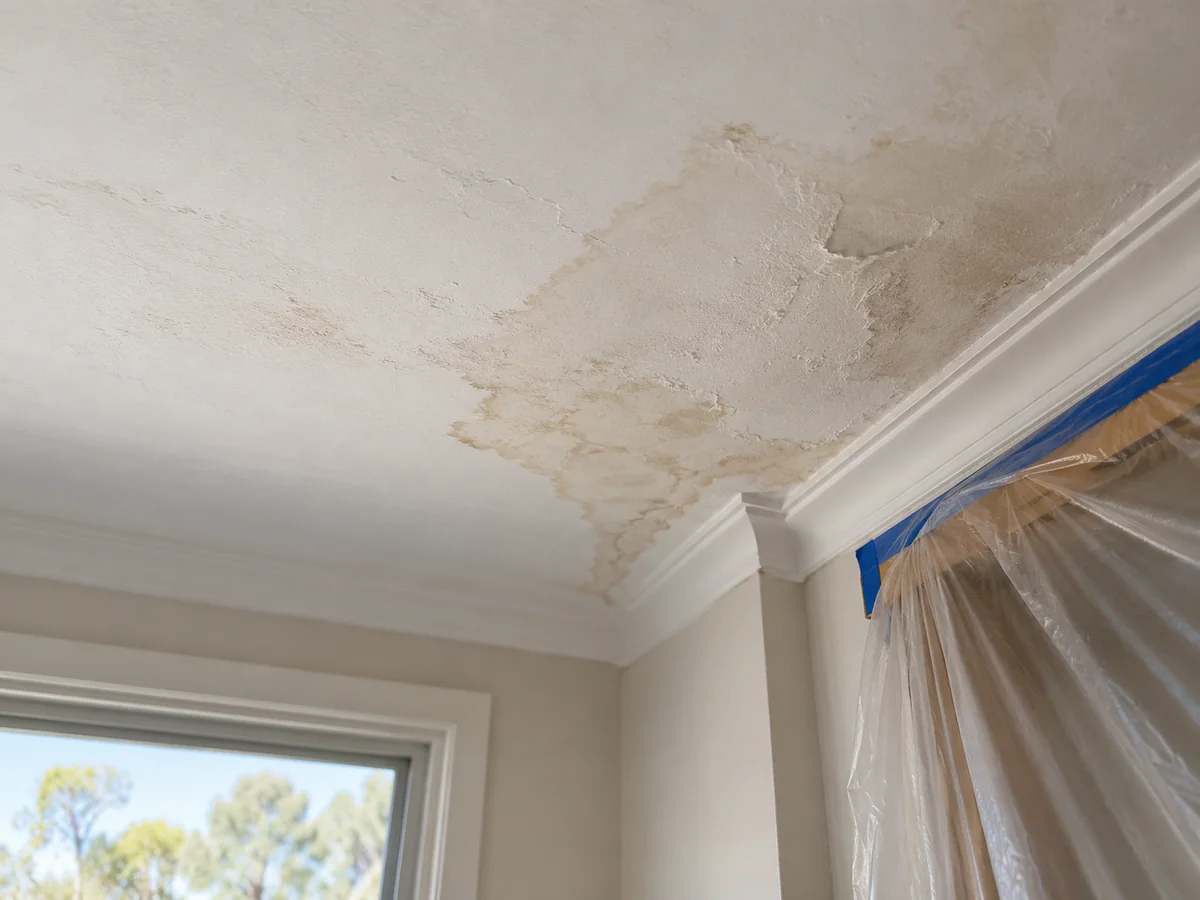
Discuss stained or damaged wall and ceiling plaster once the source of moisture is understood.
Read the job guide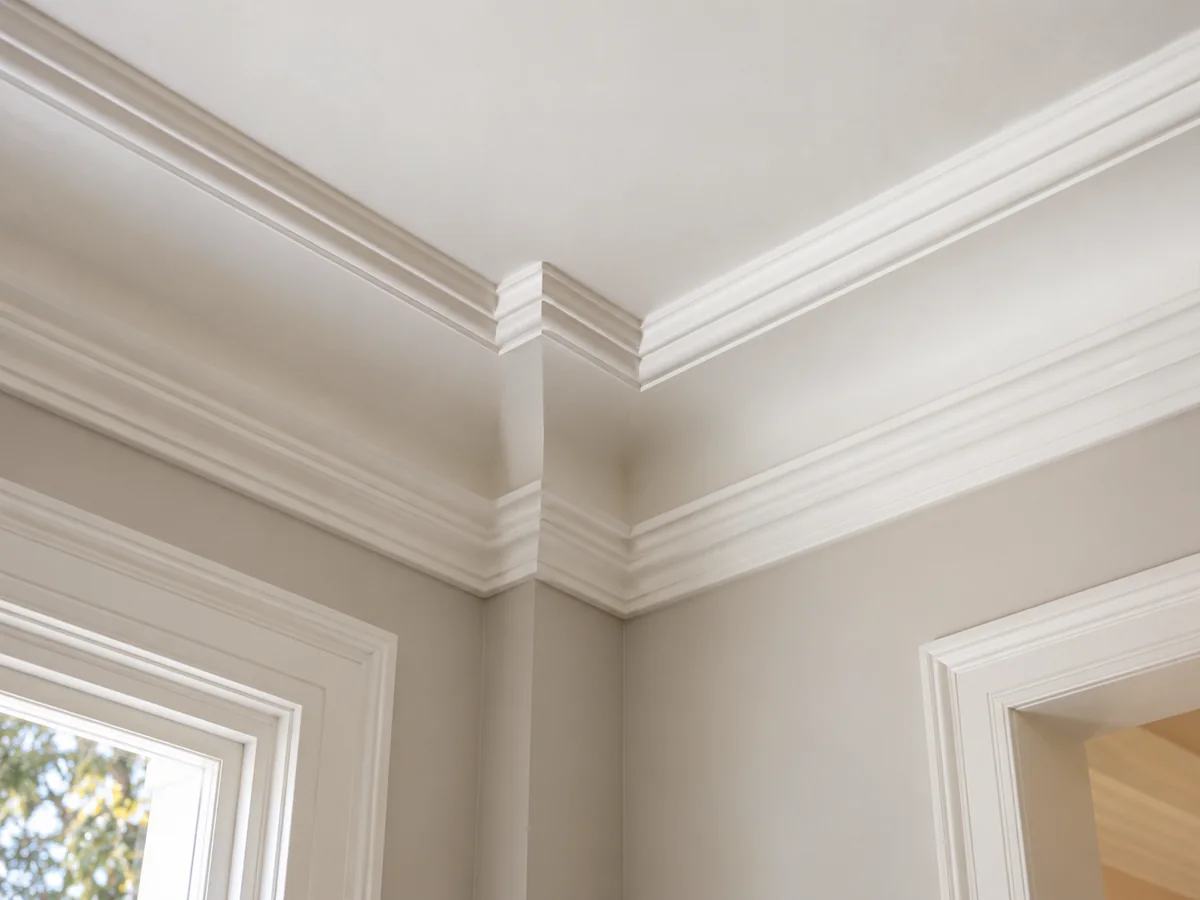
Wall-to-ceiling cornices, damaged profiles and decorative details that need a considered match.
Read the job guideCarey Bay's housing mix includes 69% separate houses, many of them older homes. These homes often have ceilings with plasterboard sheets that have aged and deteriorated over time. The original ceiling supports may have shifted, causing sagging or uneven surfaces. Replacing these ceilings requires careful attention to match the existing structure and surface.
The age of these homes means that ceiling joints and corners may be compromised. We approach these replacements by first assessing the underlying structure. This ensures that the new ceiling aligns with the home's original layout without creating new issues. The new sheets are screwed to the framing at close centres so they stay flat.
Carey Bay's older homes sometimes have unique ceiling details like cornices or mouldings that need to be preserved. When replacing ceilings, we consider how to integrate these features without disrupting the home's character. This attention to detail helps maintain the home's historical feel while improving functionality.
Working in these older properties means we adapt to the specific conditions found in each house. We avoid forcing modern solutions onto aged structures. Instead, we use methods that suit the age of the house and leave the ceiling ready for paint.
Many local homes have blocks large enough to accommodate a granny flat, often built as an extension to the main house. These spaces typically require plastering that matches the main home's style. The linings need to integrate smoothly with the existing structure, especially where the new flat connects to the original building.
The size and layout of these granny flats vary, but they often involve simple wall and ceiling sheeting. We focus on creating a consistent surface that avoids noticeable differences between the new and old sections. This means careful attention to corners and edges where the new work meets the existing plastering.
When planning for these spaces, we consider the potential for moisture in areas like the kitchen or bathroom. The plastering must be suitable for these environments without relying on special finishes. We ensure the linings are practical for everyday use and fit the home's overall design.
The timing of the work is important to avoid disruptions to the main house. We coordinate with the homeowner to minimise inconvenience. This includes agreeing access to the site and the order the rooms are done in.
With 16% of the suburb's homes being semi-detached or townhouses, shared walls are common. These walls often develop cracks over time due to movement in the structure. The cracks can appear as hairline fractures or larger gaps, depending on the age and construction of the walls.
We address these cracks by first examining the wall's composition and the surrounding structure. This helps us determine if the issue is isolated or part of a larger movement pattern. A plaster repair cannot stop a wall moving, so if the movement is live we say so before covering the crack.
The repair process involves preparing the area carefully to ensure that the new plaster adheres properly. We avoid rushing this step, as a proper base is essential for a lasting fix. This attention to detail helps prevent the cracks from returning in the same spot.
In the suburb, these shared walls may have been built using different materials over time. We work with what is present, ensuring that the repair blends with the existing surface. This approach respects the home's history while providing a functional solution.
When preparing a room for new plasterboard, the existing walls and ceilings need to be assessed for damage. This includes checking for cracks, loose sheets, or water stains that could affect the new lining. The preparation step is essential to ensure the new plasterboard sits correctly.
We remove any old plaster or damaged sections before installing new sheets. This creates a clean, even surface for the new work. The process also involves checking the wall structure to confirm it can support the new plasterboard without additional reinforcement.
In the suburb's mixed housing stock, some walls may have been altered over time. We take these changes into account when planning the relining. This ensures that the new plasterboard fits the space without requiring major adjustments to the structure.
The preparation stage also includes cleaning the area thoroughly. This minimises dust and debris that can affect the new plastering. A well-prepared room leads to a smoother application and better overall results for the homeowner.
Older homes in the suburb often face water damage, especially near windows or in areas with poor drainage. This can lead to stained or weakened plaster on walls and ceilings. The damage is usually visible as discoloured patches or soft spots.
Before starting repairs, we identify the source of the moisture. This might be a leaky pipe, a faulty roof, or condensation issues. Addressing the root cause is important to prevent the damage from recurring.
We remove the damaged plaster carefully, ensuring not to spread the problem to surrounding areas. The repair area is then dried thoroughly before applying new plaster. This step is crucial for a lasting fix.
In the suburb's older homes, the water damage might extend beyond the visible area. We take care to inspect the surrounding structure to catch any hidden issues. That way nothing damp gets covered over.
Tell us about the plastering work you have in mind.
Share your property location and the work involved. We take on work in any suburb within about an hour's drive of Kotara. Beyond that, high-value jobs only, by arrangement.