

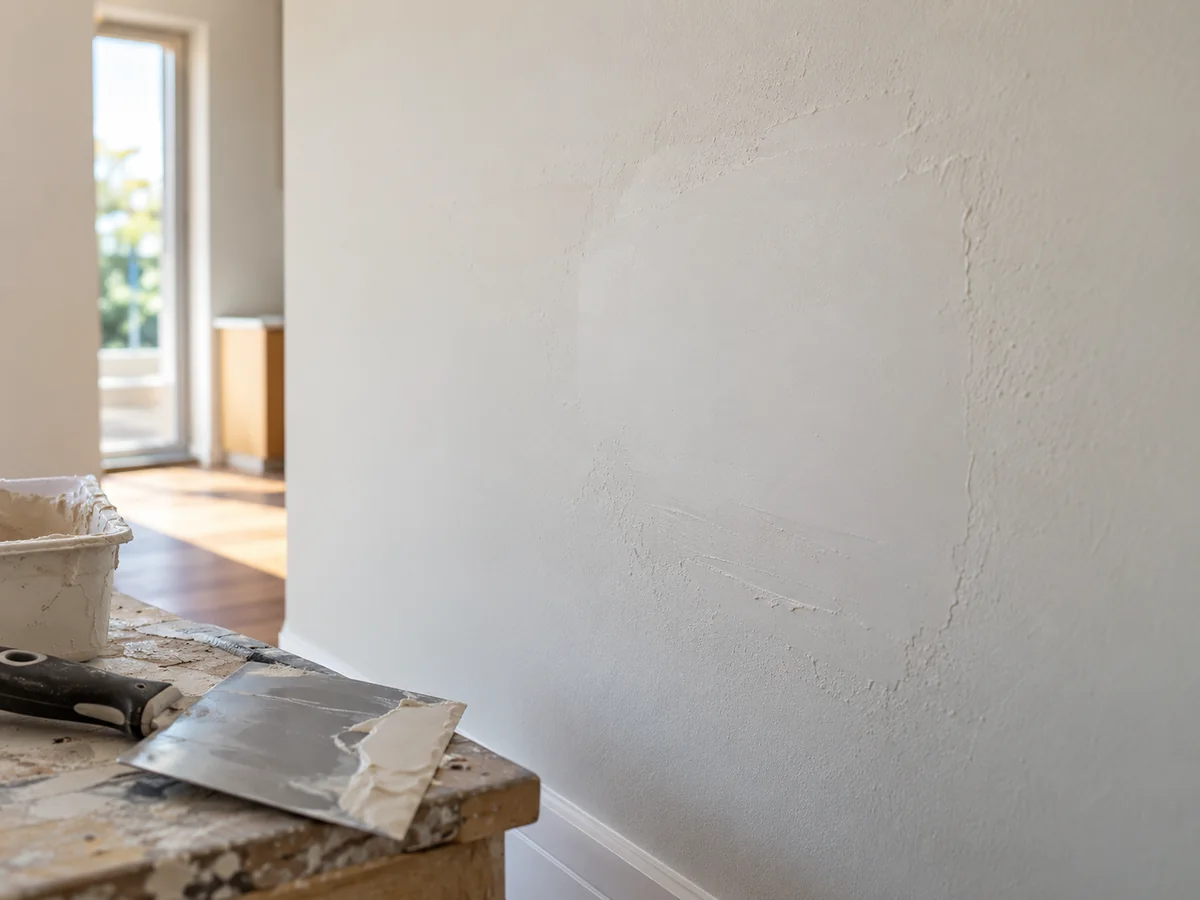
Holes, cracks & plaster repairs
A patch in the wall, a damaged corner or a crack in the ceiling starts with the affected surface.
Read the job guideBirmingham Gardens · Plastering enquiries
Plastering for homes in Birmingham Gardens, about 11 km west-northwest of Newcastle's city centre, which had 953 occupied homes at the 2021 Census. Call or text for a free quote with your street and the work involved.
Photo: Newcastle.
Photo by Patrick Quinn-Graham. Source: Bolton street newcastle.jpg. Licence: CC BY 2.0. Image resized for this page.
At the 2021 Census, 80% of the 953 occupied homes in Birmingham Gardens were separate houses, 10% were semi-detached houses, terraces or townhouses and 9% were flats or apartments. Jobs here range from ceiling replacement and cornice repairs in the houses to patching, ceiling repairs after a leak and acoustic linings in the townhouses.
A patch in the wall, a damaged corner or a crack in the ceiling starts with the affected surface.
Read the job guide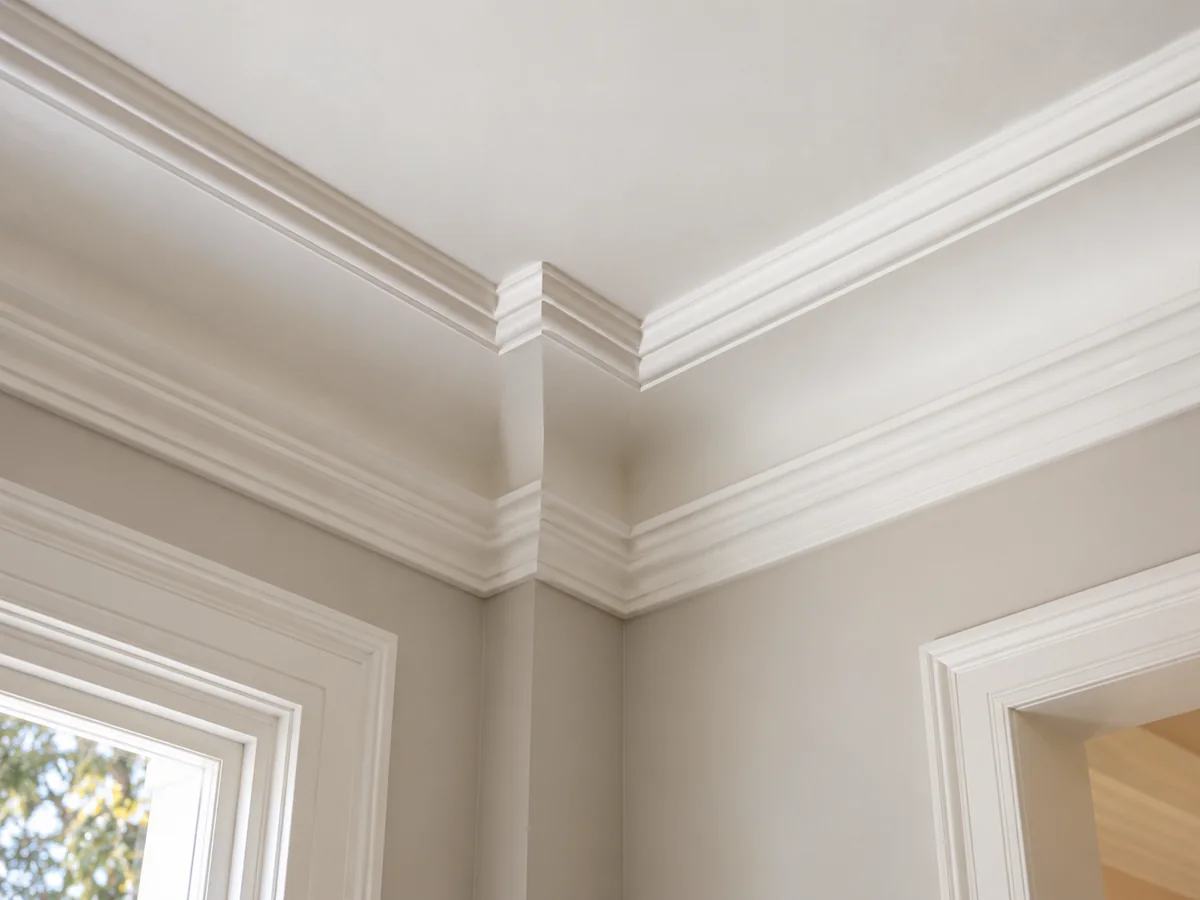
Wall-to-ceiling cornices, damaged profiles and decorative details that need a considered match.
Read the job guide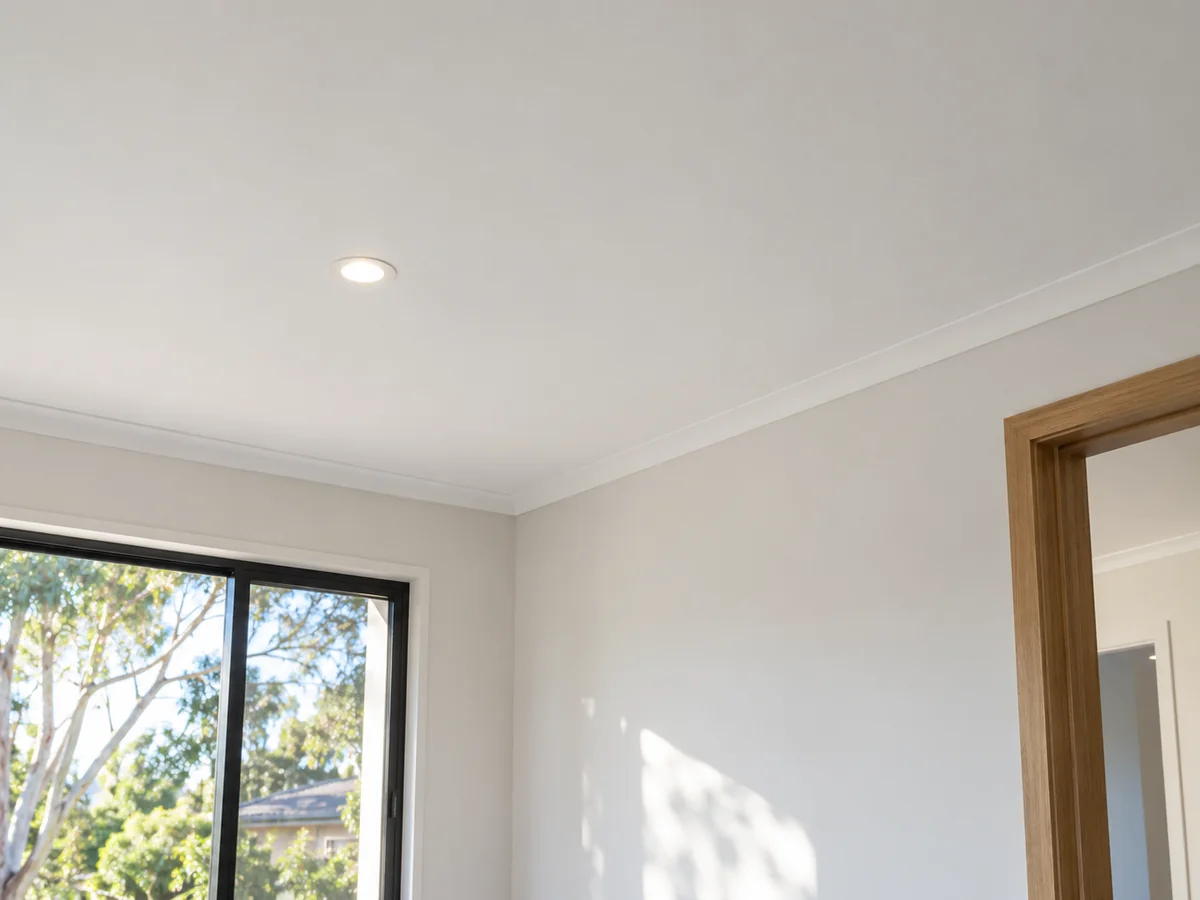
Ceiling linings, replacement sections and the wall-to-ceiling details that finish a room.
Read the job guideBirmingham Gardens has a mix of housing types where separate houses dominate, but townhouses and flats make up a significant portion. This diversity affects how plastering work is approached. For instance, shared walls between townhouses may develop cracks due to movement, requiring careful patching. Understanding the housing mix helps tailor solutions for each property type without assuming uniform needs.
The 80% figure for separate houses means most of the work here is in single-family homes with standard wall structures. However, the 10% of semi-detached and townhouse properties introduce unique considerations like shared walls and ceiling joints. Each housing type requires different preparation methods before plastering work begins.
Flats and apartments, making up 9% of homes, often need moisture management solutions due to their construction. These properties share walls and floors with their neighbours, so any repair has to respect the fire-rated and acoustic linings between units. Proper preparation ensures repairs address underlying issues rather than just surface damage.
When updating rooms in townhouses, square set edges require precise work to match the original architectural details. This is especially important around doorways and windows where the edges meet the plasterboard. A mismatch here can create an uneven appearance that affects the room's overall look.
Townhouse renovations often involve opening up walls to create a more open layout. This can expose old joints that need reworking to maintain a clean edge. The process involves taping, jointing, and finishing to ensure the new sections blend with the existing structure without visible seams.
A common issue in these updates is ensuring the square set edges align perfectly with the room's geometry. This requires attention to detail during the setting phase, as any deviation can lead to further patching needs later. Proper edge work makes cracking around new joints much less likely.
Before repainting or selling a property, patching walls is essential to present a smooth surface. Small holes from fixtures, cracks from settling, or water damage need addressing to avoid visible flaws after painting. The patching process involves cleaning the area, applying filler, and sanding for an even finish.
In an older house, walls may show signs of wear and of past repairs. These spots can be magnified when painted, making proper patching crucial. The goal is to create a surface that looks uniform from all angles without the need for additional touch-ups later.
For homeowners preparing to sell, neglecting wall patches can lead to buyer concerns. Taking the time to properly patch and prepare walls ensures the property's interior appears well-maintained, supporting a smoother sale process without requiring last-minute fixes.
Moisture issues in shared walls are common, especially in townhouses and flats where walls are shared between properties. These areas can develop damp patches or mildew if moisture penetrates the plaster. Identifying and addressing the source of moisture is key to preventing recurring problems.
The 9% flat and apartment presence in Birmingham Gardens means more shared structures, which require careful moisture management. This involves checking for leaks, ensuring proper ventilation, and using appropriate materials that resist moisture without trapping it inside the wall.
When repairing moisture-damaged areas, it's important to address both the visible damage and the underlying cause. Without that, the same damage comes back. Sorting out the moisture is part of any water-damage repair.
Preparing a room for plasterboard replacement involves clearing the space and protecting surfaces that won't be worked on. Furniture needs moving, and floors should be covered to prevent damage from dust and debris during work. This step ensures a smooth process without unnecessary delays.
Older homes in the suburb often have uneven walls that require careful assessment before relining. The old lining is usually stripped so the new sheets can be fixed straight to the frame. This preparation step ensures the new plasterboard aligns correctly with the room's structure.
In townhouses, the preparation stage includes checking for any hidden issues behind walls, such as water damage or structural shifts. This allows for a more thorough repair process, avoiding the need for rework once the plasterboard is in place.
Tell us about the plastering work you have in mind.
Share your property location and the work involved. We take on work in any suburb within about an hour's drive of Kotara. Beyond that, high-value jobs only, by arrangement.