

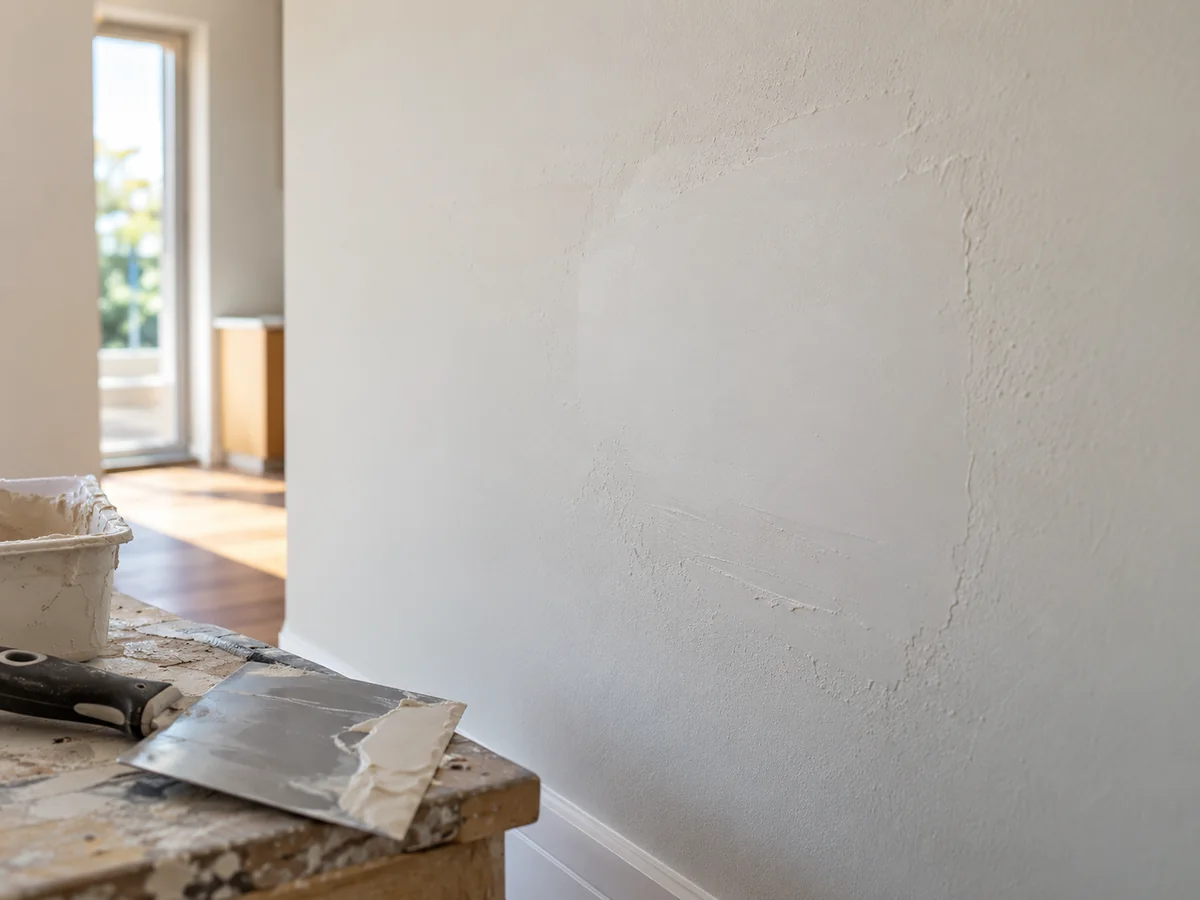
Holes, cracks & plaster repairs
A patch in the wall, a damaged corner or a crack in the ceiling starts with the affected surface.
Read the job guideBarnsley · Plastering enquiries
Plastering for homes in Barnsley, about 21 km west of Newcastle's city centre, which had 616 occupied homes at the 2021 Census. Call or text for a free quote with your street and the work involved.
Photo: Lake Macquarie.
Photo by Tim Starling. Source: Lake Macquarie aerial 1.jpg. Licence: CC BY 2.0. Image resized for this page.
At the 2021 Census, 99% of the 616 occupied homes in Barnsley were separate houses. Typical jobs in a suburb of houses are wall and ceiling repairs, water-damaged ceilings after a roof leak, cornice work and new linings when rooms are renovated.
A patch in the wall, a damaged corner or a crack in the ceiling starts with the affected surface.
Read the job guide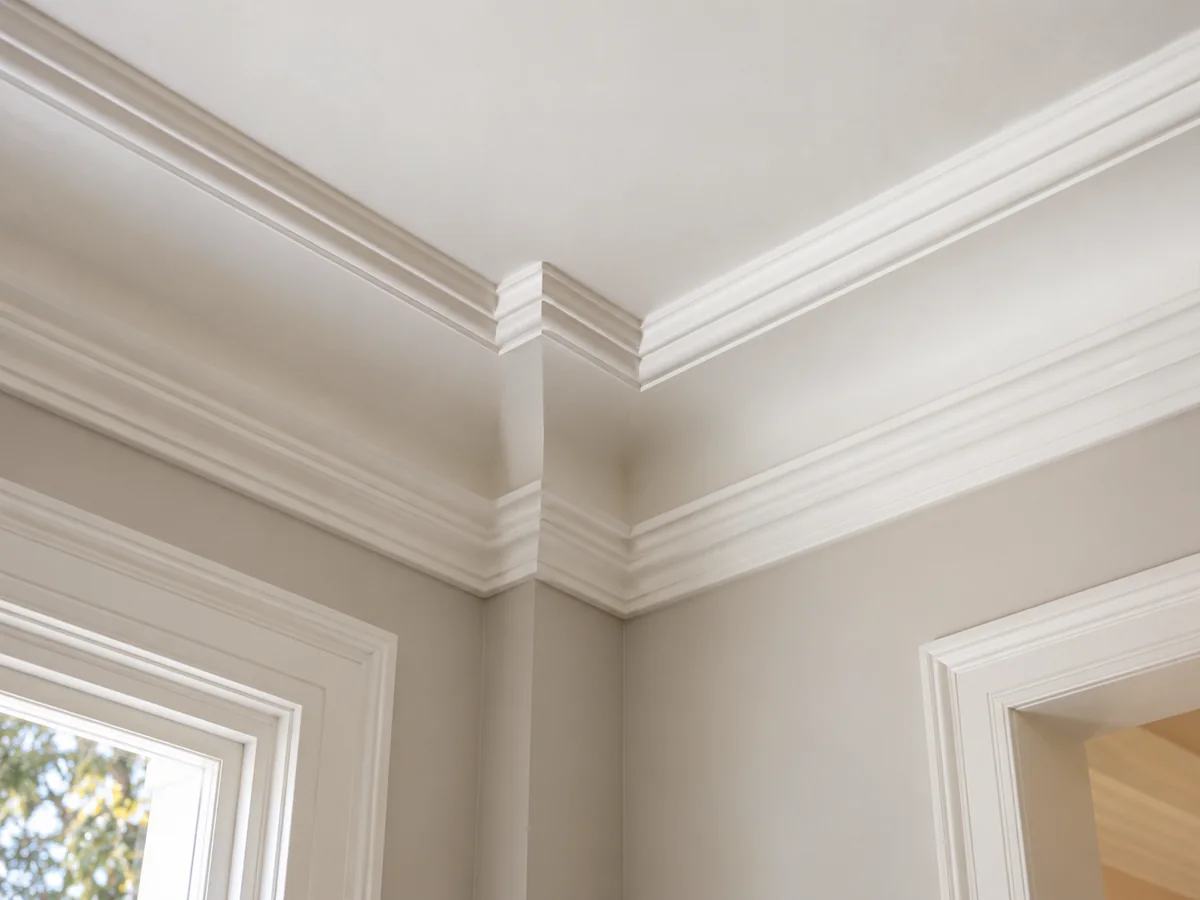
Wall-to-ceiling cornices, damaged profiles and decorative details that need a considered match.
Read the job guide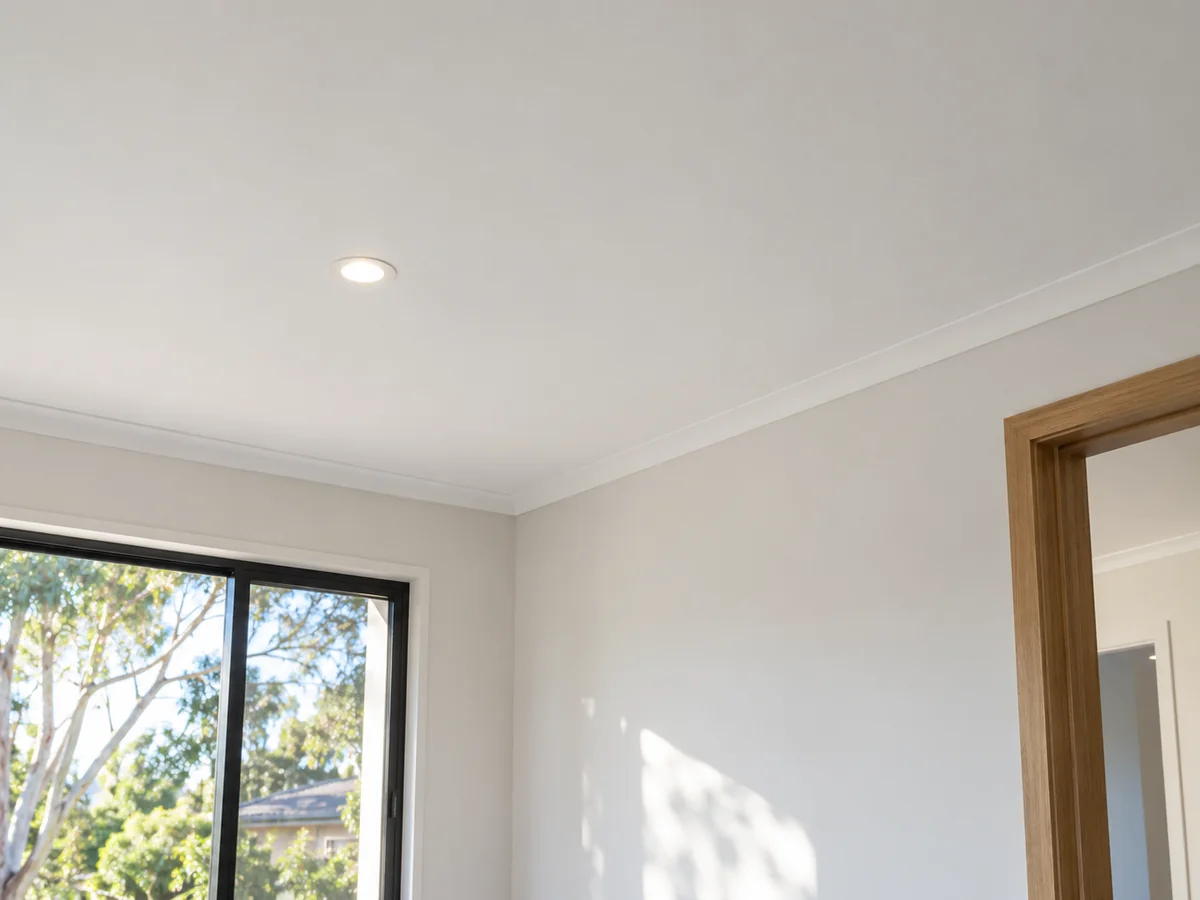
Ceiling linings, replacement sections and the wall-to-ceiling details that finish a room.
Read the job guideIn Barnsley, the 2021 Census shows 99% of homes are separate houses. Most are free-standing houses, many of them older, with the plastering needs that go with that. The focus is on maintaining original finishes while addressing damage from natural wear. Plastering work here often involves repairs to ceilings and walls affected by historical roof leaks.
These houses typically feature plasterboard linings that require careful handling during any updates. Many owners want to keep the character of these houses, and that shapes the kind of plastering work that comes up.
With no townhouses or flats, the work is in free-standing houses, so there are no shared walls or upstairs neighbours to work around.
In a suburb of houses the plastering work tends to be similar from one to the next: ceiling repairs after roof leaks and wall relining during renovations. The 99% separate house statistic points to that.
Relining walls and ceilings during a renovation requires careful attention to detail. In the suburb's older homes, this often means working around existing cornices and original wall features. The process begins with removing damaged sections and preparing the surface for new plasterboard.
When updating a room, the existing plasterboard may need replacement if water damage has affected its structure. This is common after roof leaks, which can weaken the backing material. We always check for hidden damage before starting the relining process.
The age of these homes means that some walls may be uneven from the original construction. This affects how we plan the relining work. We adjust for these variations to ensure the new lining sits correctly without creating visible gaps or unevenness.
Relining in local homes typically involves using standard plasterboard sheets. We match the existing finish as closely as possible. This approach ensures the updated room looks consistent with the home's original character and age.
Adding an extension to a local home often requires new plasterboard linings for walls and ceilings. These projects need careful planning to match the existing interior finishes. The work must blend with the original home's style and construction.
Older homes in the suburb often have different ceiling heights from newer builds. This affects how we plan the new linings to maintain proportional spacing. We consider the overall height and design of the existing structure when preparing the extension space.
The plastering for extensions must address potential differences in wall structure. Older homes may have different framing systems than modern extensions. This requires careful attention to transitions between old and new materials.
We prepare all surfaces thoroughly before installing new plasterboard. This includes checking for any moisture issues that could affect the new lining. Proper preparation gives the new lining a dry, sound frame to fix to.
Older homes in the suburb often show signs of structural shifts in ceilings. These shifts can cause cracks or uneven surfaces that need attention. Many of the 616 occupied homes have been standing a long time.
These shifts typically occur in the ceiling areas where the roof structure meets the interior. They can affect plastering work significantly. We assess the extent of the shift before deciding on the repair method.
The age of the homes means that some ceilings may need support before plastering work begins. This is more common in the suburb's older houses. We consider these factors when preparing for any ceiling work.
Structural shifts require careful planning for plastering. We don't just cover the cracks; we address the underlying causes when possible. That way the crack is far less likely to open up again.
Water damage in local homes often appears as stains on ceilings after roof leaks. These stains can indicate underlying damage to the plasterboard. The 99% separate house mix means each home typically has its own roof structure and leakage points.
The damage usually affects ceilings first because water runs downward. This shows up most in older homes with tiled or iron roofs. The 2021 Census data points to a suburb of houses where that kind of damage is likely.
Repairing water-damaged ceilings requires removing the affected plasterboard sections. This is necessary because moisture can weaken the material over time. We check the surrounding areas for hidden damage before starting repairs.
The repair process involves matching the existing ceiling finish as closely as possible. This ensures the updated ceiling looks consistent with the rest of the home. The work must respect the original character of the suburb's older homes.
Tell us about the plastering work you have in mind.
Share your property location and the work involved. We take on work in any suburb within about an hour's drive of Kotara. Beyond that, high-value jobs only, by arrangement.