

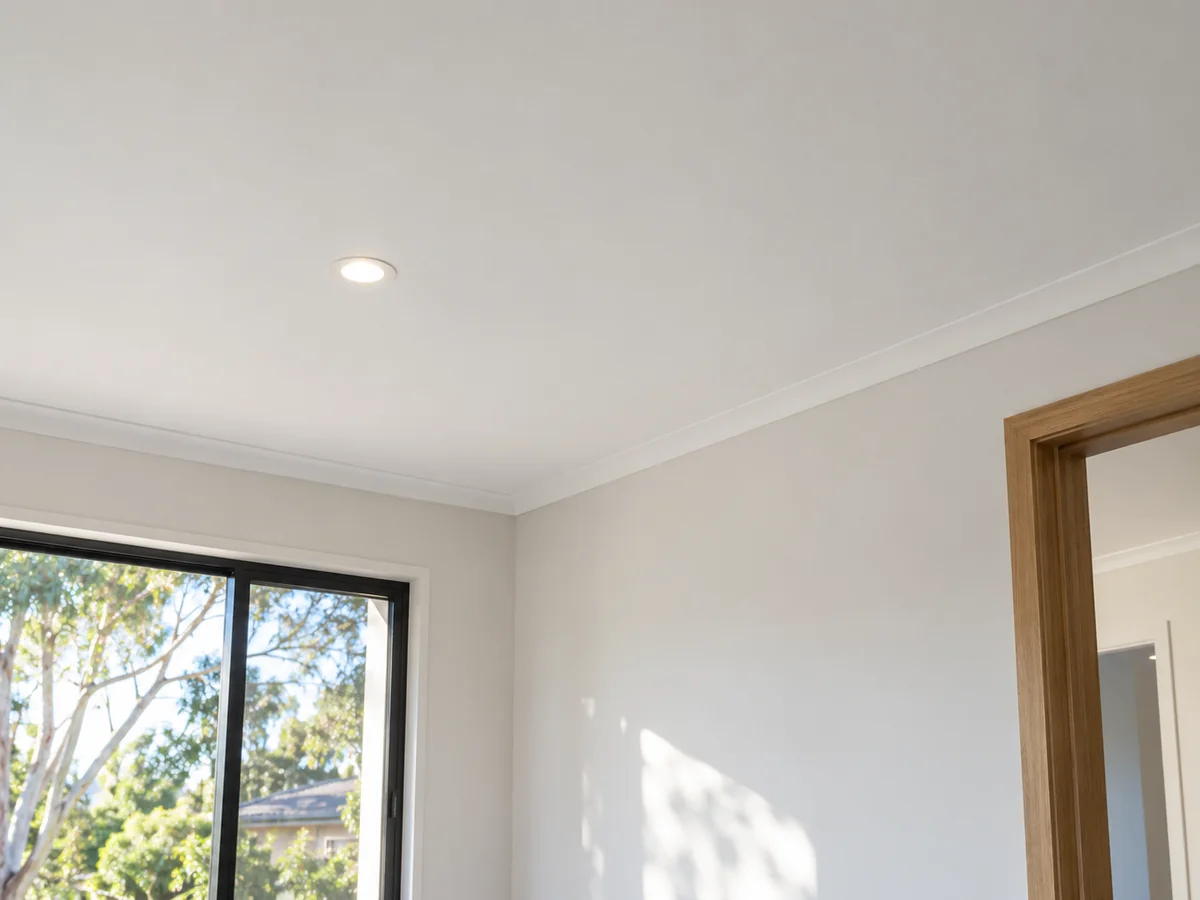
Ceiling installation & replacement
Ceiling linings, replacement sections and the wall-to-ceiling details that finish a room.
Read the job guideArcadia Vale · Plastering enquiries
Plastering for homes in Arcadia Vale, between Toronto and Morisset on the western shore of Lake Macquarie, which had 544 occupied homes at the 2021 Census. Call or text for a free quote with your street and the work involved.
Photo: Lake Macquarie.
Photo by Tim Starling. Source: Lake Macquarie aerial 1.jpg. Licence: CC BY 2.0. Image resized for this page.
Separate houses made up 98% of the 544 occupied homes in Arcadia Vale at the 2021 Census. Arcadia Vale was subdivided in 1922, and during the Great Depression some out-of-work mining families lived in boatsheds on the waterfront. Typical jobs in a suburb of houses are wall and ceiling repairs, water-damaged ceilings after a roof leak, cornice work and new linings when rooms are renovated.
Ceiling linings, replacement sections and the wall-to-ceiling details that finish a room.
Read the job guide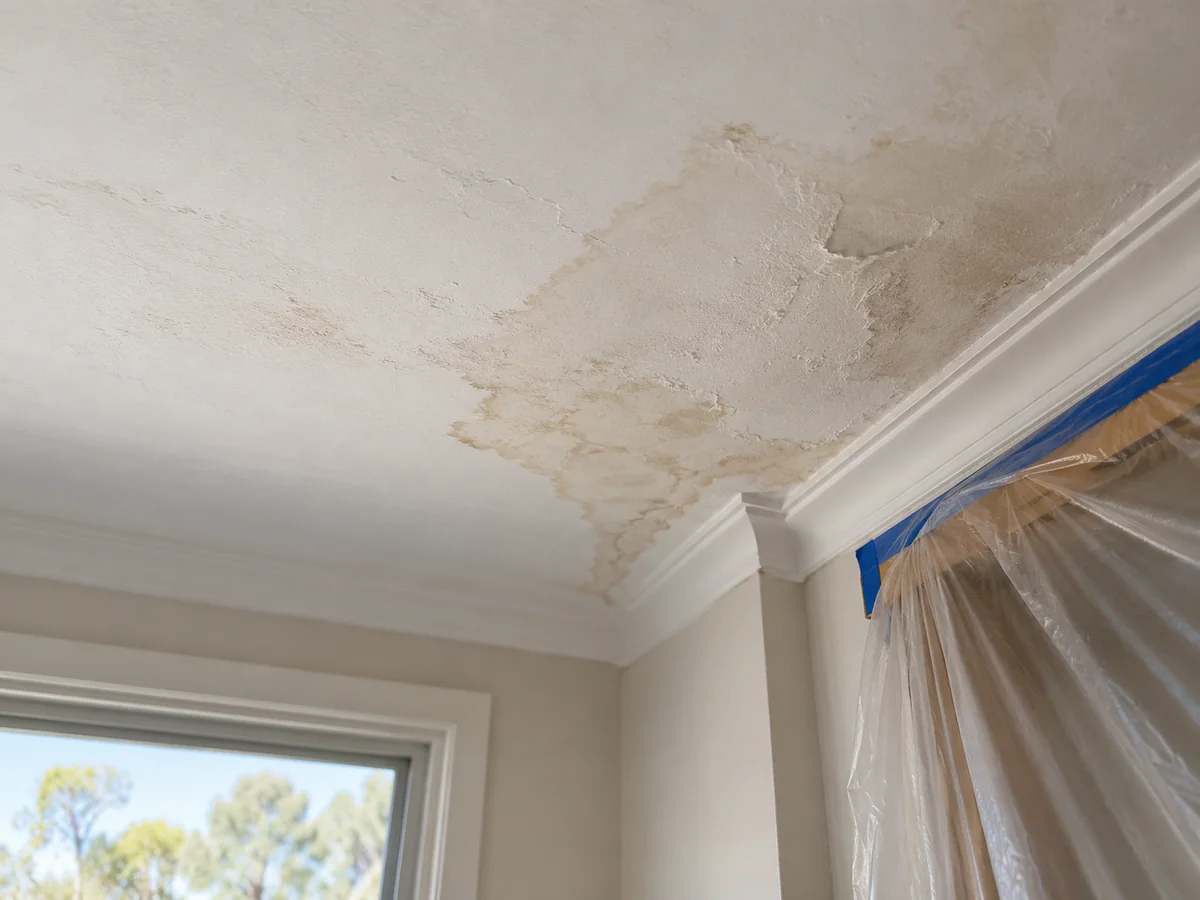
Discuss stained or damaged wall and ceiling plaster once the source of moisture is understood.
Read the job guide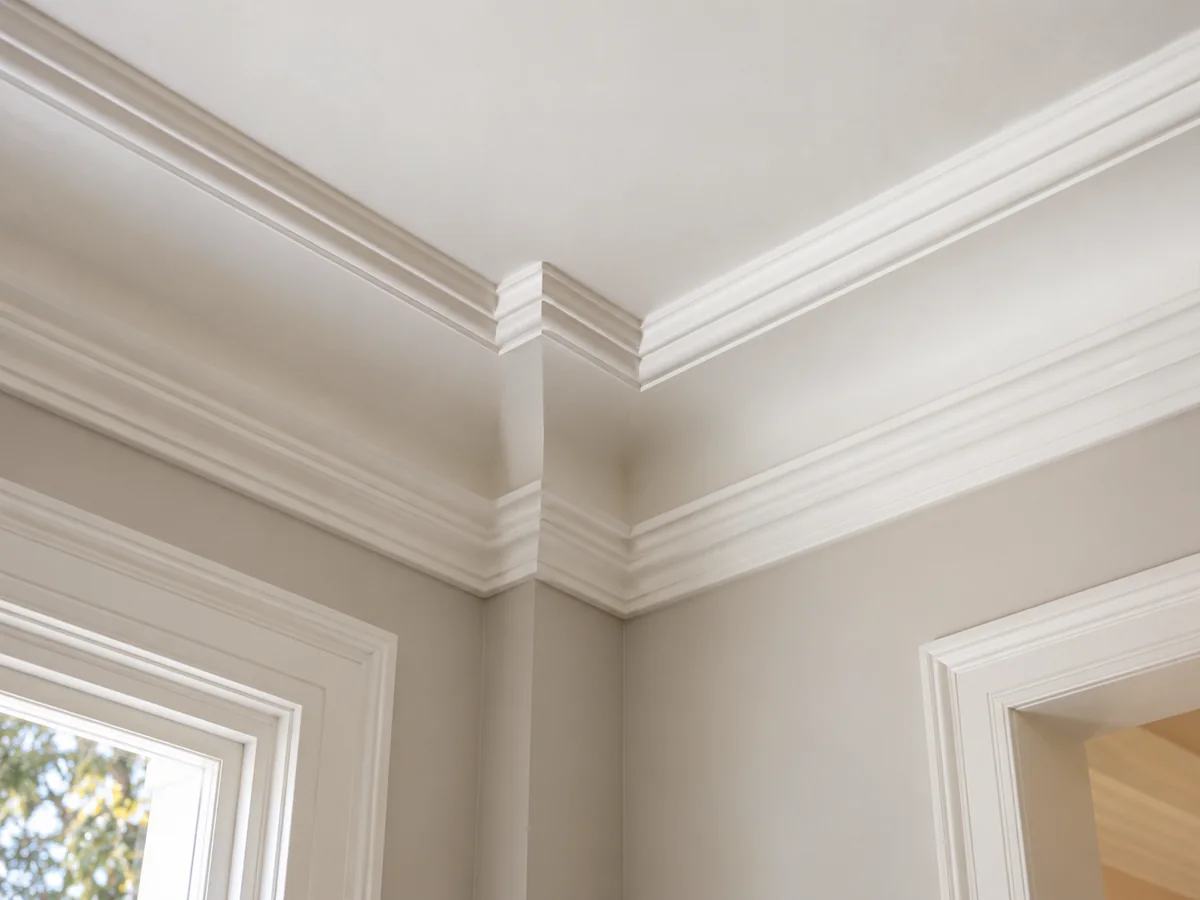
Wall-to-ceiling cornices, damaged profiles and decorative details that need a considered match.
Read the job guideArcadia Vale's housing mix, with 98% separate houses, shapes how we approach plastering work. Many of the homes are older, and plastering methods have changed since they were built. Walls often have uneven surfaces from original construction techniques. This means relining or setting plasterboard requires careful attention to match the existing finish. Older homes may need extra steps to prepare walls for new linings.
The 1922 subdivision history means many homes have seen multiple owners and modifications. Some may have had earlier repairs that don't align with modern standards. We work with these variations when planning relining or patching. The key is understanding the home's history to avoid repeating old mistakes.
Water damage in older homes here usually starts at the roof or the plumbing. Leaks from older roofs can cause ceilings to sag or walls to crack along existing weak points. This requires more than just patching. It means understanding how past repairs interact with current work.
Older walls in local homes often show unevenness from original construction or past repairs. This unevenness affects how plasterboard sheets sit. We start by assessing the wall's condition before any relining. This includes checking for soft spots or areas that may need extra support.
Relining these walls requires taking time to level the surface. We avoid rushing to cover up underlying issues. This gives the new lining a sound frame to fix to. The aim is a flat wall that sits in line with the rest of the room.
The goal is to create a surface that looks like it has always been part of the home. This takes patience with older structures. It also means we don't use quick fixes that might fail later. We work with the home's age to find the right approach.
Many local homes have had wiring or plumbing updates. This often leaves holes in walls that need patching. These holes may be small, but they can lead to bigger problems if not properly filled. We address them with the same care we would for larger repairs.
The patching process depends on the size and location of the hole. Small holes may need a simple fill, while larger ones require more material. We match the patch to the wall's existing surface as closely as possible. This prevents the patch from standing out after painting.
Once the patch has dried it is sanded flush with the wall. A patch built up in two or three thin coats rather than one thick fill is far less likely to shrink or crack. It is then ready for the painter.
Moisture damage turns up in many of the suburb's older homes. Leaks from roofs or plumbing can cause damage that needs careful repair. The key is finding the source of the moisture before starting any plaster work. This prevents the same problem from happening again.
Water damage in older homes often shows as stains on ceilings or walls. These stains can hide deeper issues. We look for signs of ongoing moisture, like peeling paint or soft spots. Addressing these helps prevent further damage during repairs.
Our approach focuses on understanding how moisture moves through older structures. This means the roof, gutters or plumbing need to be sorted out before the plastering starts. It also means using materials that work well with the home's age and condition.
Original cornices in local homes often require careful matching. Many were made with specific profiles that don't exist today. We assess the existing cornice to find the most suitable way to replicate it. This may involve measuring the profile or taking photos for reference.
Replicating these details takes time. We don't rush to replace them with modern alternatives. Instead, we work to match the original as closely as possible. This preserves the home's character and history.
The matching process is part of the repair, not just a finishing touch. It requires understanding the home's age and the materials used originally. This ensures the cornice looks like it has always been there.
Tell us about the plastering work you have in mind.
Share your property location and the work involved. We take on work in any suburb within about an hour's drive of Kotara. Beyond that, high-value jobs only, by arrangement.